Introduction
The Kiang (Equus kiang) is a remarkable member of the Equidae family that captivates both biologists and wildlife enthusiasts alike. Known for its robust stature and unique adaptations to some of the harshest environments on Earth, the Kiang is the largest species of wild ass. This article delves into the fascinating world of the Kiang, exploring its physical characteristics, natural habitat, behaviors, and the conservation efforts in place to protect this extraordinary species.
Physical Description
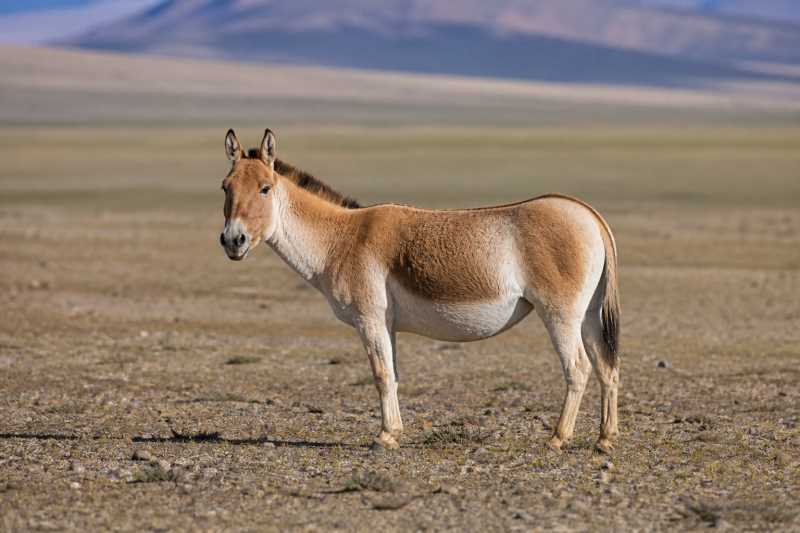
The Kiang is distinguished by its impressive size and distinctive appearance. Adult Kiangs typically stand about 140 centimeters at the shoulder, with males slightly larger than females. Their weight can range from 250 to 400 kilograms, making them the largest of the wild asses. Kiangs possess a thick coat that changes with the seasons; during winter, their coat becomes dense and woolly, providing insulation against the cold temperatures of their high-altitude habitats.
Their color varies from reddish-brown to a deeper chestnut, with a lighter underbelly and a prominent dark dorsal stripe running from their mane to their tail. The Kiang’s mane is short and upright, adding to their distinctive silhouette. Their large, expressive eyes and long ears are adapted to keenly detect predators, while their strong, sturdy legs enable them to traverse the rugged terrains of their mountainous environments.
Range and Habitat
Kiangs are native to the Tibetan Plateau, spanning regions of China, India, Nepal, and Bhutan. They thrive in high-altitude environments, typically between 3,500 and 5,300 meters above sea level. These areas are characterized by their harsh climate, with freezing temperatures, high winds, and sparse vegetation.
The preferred habitats of Kiangs include alpine meadows, steppes, and desert plains. They are particularly well-adapted to these arid and semi-arid environments, where they graze on hardy grasses and other vegetation. Their range is vast, yet fragmented, with populations often isolated by natural barriers such as mountains and rivers.
Behavior and Diet
Kiangs are social animals, often found in groups ranging from small family units to larger herds of up to 300 individuals. These groups are typically organized around a dominant stallion and several mares and foals. Kiangs are known for their nomadic lifestyle, constantly on the move in search of food and water.
Their diet primarily consists of grasses, herbs, and shrubs. Due to the scarcity of food in their natural habitat, Kiangs have developed a highly efficient digestive system to extract maximum nutrients from the tough, fibrous vegetation they consume. During the harsh winter months, they rely on their ability to dig through snow to access buried plant material.
Behaviorally, Kiangs exhibit a range of adaptive traits that aid in their survival. They are known to be cautious and vigilant, often positioning themselves in open areas where they can easily spot potential threats. When threatened, Kiangs can flee at remarkable speeds, using their agility and endurance to evade predators such as wolves and snow leopards.
Identification Tips (Field Recognition Cues)
Identifying a Kiang in the field involves recognizing several key features:
- Size and Build: Look for a large, robust equine with a sturdy build.
- Coat Color: Note the reddish-brown to chestnut coat, with lighter underparts and a distinctive dark dorsal stripe.
- Mane and Tail: The short, erect mane and tufted tail are characteristic.
- Social Behavior: Observe groups of individuals; Kiangs are rarely seen alone.
- Habitat: Look for them in high-altitude meadows and steppes, typical of their range.
Conservation Status (With Threats and Protections)
The conservation status of the Kiang is currently classified as "Least Concern" by the International Union for Conservation of Nature (IUCN). However, they face several threats that could impact their population numbers if not addressed.
Threats
- Habitat Loss: Human activities such as infrastructure development, agriculture, and mining are encroaching on their natural habitats.
- Climate Change: Altered weather patterns and temperature fluctuations pose a threat to the delicate ecosystems Kiangs depend on.
- Competition with Livestock: Overgrazing by domestic animals reduces the availability of food resources for Kiangs.
Protections
To mitigate these threats, several conservation measures are in place:
- Protected Areas: Establishing and maintaining protected areas within the Kiang’s range helps preserve critical habitats.
- Research and Monitoring: Ongoing studies provide valuable data on population trends and habitat usage.
- Community Engagement: Involving local communities in conservation efforts promotes sustainable coexistence and awareness.
Frequently Asked Questions
What is the primary diet of the Kiang?
Kiangs primarily feed on grasses, herbs, and shrubs found in their high-altitude habitats. Their efficient digestive system allows them to thrive on tough, fibrous vegetation.
How do Kiangs adapt to the cold climate of their environment?
Kiangs have several adaptations for cold climates, including a thick winter coat that provides insulation and the ability to dig through snow to access food.
Where can Kiangs be found in the wild?
Kiangs are native to the Tibetan Plateau, with populations distributed across China, India, Nepal, and Bhutan. They inhabit high-altitude regions such as alpine meadows and steppes.
What are the main threats to the Kiang population?
The primary threats to Kiangs include habitat loss due to human activities, climate change affecting their ecosystems, and competition with livestock for food resources.
How are conservation efforts helping protect the Kiang?
Conservation efforts for the Kiang include establishing protected areas, conducting research and monitoring, and engaging local communities in sustainable practices.
Related posts