Introduction
The Ethiopian Dwarf Mongoose, scientifically known as Helogale hirtula, is one of the smallest and least known members of the mongoose family. This intriguing species forms part of the Herpestidae family, which encompasses a variety of small to medium-sized carnivorous mammals. The Ethiopian Dwarf Mongoose has captured the interest of scientists and wildlife enthusiasts alike due to its unique adaptations and behaviors. This article delves into the fascinating world of this tiny mammal, examining its physical characteristics, habitat preferences, social behavior, diet, and conservation status.
Physical Description
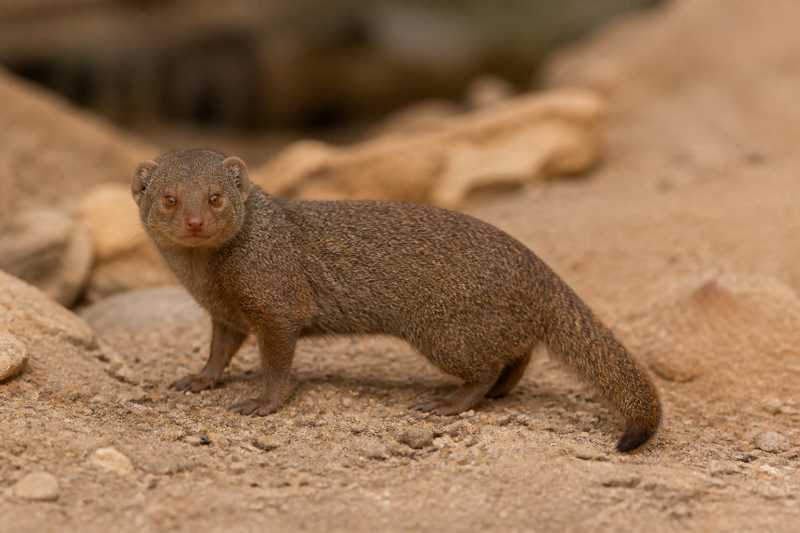
The Ethiopian Dwarf Mongoose is diminutive in size, with adults typically measuring between 18 to 28 cm in length, excluding the tail, which adds an additional 12 to 20 cm. This species is characterized by its slender body and short limbs, making it highly agile in its natural habitat. The coat of the Ethiopian Dwarf Mongoose is dense and coarse, predominantly featuring a grayish-brown coloration, which provides effective camouflage against the arid landscapes they inhabit.
A distinguishing feature of this mongoose is its tapered head with a pointed snout and small, rounded ears. The eyes are relatively large compared to its body size, providing keen vision essential for spotting predators and prey. The paws are equipped with sharp, curved claws that are adept at digging and foraging for food.
Range and Habitat
The Ethiopian Dwarf Mongoose’s range is primarily restricted to the Horn of Africa, with a strong presence in Ethiopia’s savannas and scrublands. This species favors semi-arid environments, thriving in areas with sparse vegetation, which offers ample opportunities for foraging and burrowing.
These mongooses are often found in environments that provide a mix of open spaces and sheltered areas, such as rocky outcrops, termite mounds, and abandoned burrows. These habitats not only offer protection from predators but also serve as vantage points for surveying their territory. The Ethiopian Dwarf Mongoose’s adaptability allows it to exploit a range of ecological niches within its geographical range.
Behavior and Diet
Ethiopian Dwarf Mongooses are highly social animals, typically living in family groups that can include up to 20 individuals. These groups are structured around a dominant breeding pair, with the remainder of the group consisting of subordinate adults and juveniles. Social behavior within the group is characterized by cooperative activities such as grooming, foraging, and raising young.
The diet of the Ethiopian Dwarf Mongoose is predominantly insectivorous, with ants, termites, and other small invertebrates constituting the bulk of their diet. They use their acute sense of smell and sharp claws to unearth prey from the ground or within decaying wood. Occasionally, they may also consume small reptiles, amphibians, and eggs when available.
Identification Tips
When attempting to identify an Ethiopian Dwarf Mongoose in the field, consider the following cues:
- Size and Shape: Look for a small, slender mammal with a long tail and short legs.
- Coloration: Note the grayish-brown fur, which blends well with the arid environments.
- Social Behavior: Observe group dynamics, as these mongooses are often seen in family groups.
- Habitat: Check for presence in semi-arid savannas or scrublands, especially near rocky areas or termite mounds.
- Vocalizations: Listen for high-pitched chirps and calls, which they use for communication within the group.
Conservation Status
The Ethiopian Dwarf Mongoose is currently classified as "Least Concern" by the International Union for Conservation of Nature (IUCN). However, it faces several threats that could impact its population in the future. Habitat destruction due to agricultural expansion and human settlement poses a significant risk. Additionally, climate change may alter the delicate balance of the ecosystems they inhabit, further threatening their survival.
Conservation efforts for this species are focused on habitat preservation and mitigating human-wildlife conflict. Protected areas within Ethiopia offer some refuge, but increased awareness and local community involvement are essential for long-term conservation success.
Frequently Asked Questions
1. What is the average lifespan of an Ethiopian Dwarf Mongoose in the wild? The average lifespan of an Ethiopian Dwarf Mongoose in the wild is approximately 6 to 10 years. Factors such as predation, habitat quality, and food availability can influence their lifespan.
2. How do Ethiopian Dwarf Mongooses communicate with each other? Ethiopian Dwarf Mongooses communicate using a combination of vocalizations, body postures, and scent markings. Vocalizations include a variety of chirps and calls used to coordinate group activities and alert others to potential threats.
3. Are Ethiopian Dwarf Mongooses active during the day or night? Ethiopian Dwarf Mongooses are diurnal, meaning they are active during the day. They typically spend their mornings foraging for food and return to their burrows or shelters in the evening.
4. What role do Ethiopian Dwarf Mongooses play in their ecosystem? These mongooses play a crucial role as insectivores, helping control insect populations, including pests like termites and ants. They also contribute to soil aeration through their digging activities.
5. Can Ethiopian Dwarf Mongooses be kept as pets? While it is technically possible, Ethiopian Dwarf Mongooses are wild animals with specific social and environmental needs that are difficult to meet in captivity. They are best appreciated in their natural habitats where they can exhibit natural behaviors.
Related posts