Gould’s Long-eared Bat: A Comprehensive Guide
Introduction
Gould’s Long-eared Bat, scientifically known as Nyctophilus gouldi, is a fascinating species of bat endemic to Australia. Named after the English ornithologist and naturalist John Gould, this bat species is known for its distinctive long ears and its role in the ecosystem as a nocturnal insectivore. This article delves into the various aspects of Gould’s Long-eared Bat, providing a detailed examination of its physical characteristics, habitat, behavior, and conservation status.
Physical Description
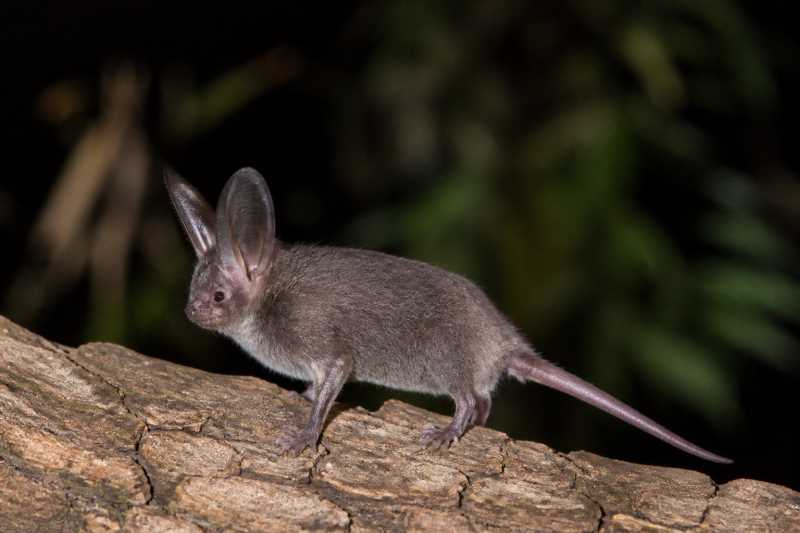
Gould’s Long-eared Bat is a small to medium-sized bat with a body length ranging from 40 to 50 millimeters and a wingspan of about 260 to 300 millimeters. One of its most distinguishing features is its long, pointed ears, which can be nearly as long as its head. These ears are not only crucial for its echolocation abilities but also give the bat its common name.
The bat’s fur is typically a dark brown or light grey, offering a degree of camouflage against the bark of trees and other natural backgrounds within its habitat. Its underbelly is usually lighter in color. The face of Nyctophilus gouldi is characterized by a short, broad muzzle, and it possesses a relatively large nose leaf, a structure that aids in echolocation.
Range and Habitat
Gould’s Long-eared Bat is predominantly found along the eastern coast of Australia, with its range extending from Queensland through New South Wales and into Victoria. It inhabits a variety of environments, including forests, woodlands, and areas with dense undergrowth. The bat prefers habitats where it can easily roost during the day, such as tree hollows, caves, and even man-made structures like buildings and bridges.
This species is adaptable to different ecological conditions, which allows it to thrive in both coastal and inland environments. However, it is most frequently associated with eucalypt forests and areas where water sources are readily available.
Behavior and Diet
Gould’s Long-eared Bat is a nocturnal creature, emerging from its roost at dusk to forage for food. Its diet primarily consists of insects, making it an important part of the ecosystem as a natural pest controller. The bat uses echolocation to detect its prey, emitting high-frequency sounds that bounce off objects and return as echoes, enabling it to navigate and hunt in complete darkness.
The bat’s foraging behavior is characterized by slow, maneuverable flight, which allows it to effectively capture insects in mid-air or pluck them from foliage. During colder months, when insect activity diminishes, Gould’s Long-eared Bat may enter a state of torpor, reducing its metabolic rate to conserve energy.
Identification Tips
Field recognition of Gould’s Long-eared Bat can be challenging due to its nocturnal nature and its preference for secluded roosting spots. However, here are a few identification tips:
- Ears: Look for the characteristically long ears, which are almost as long as the bat’s head.
- Flight Pattern: Observe its slow and highly maneuverable flight, distinct from the faster, more direct flight of other bat species.
- Fur Color: Note the dark brown or grey fur, with a lighter underbelly.
- Echolocation Calls: Use a bat detector to pick up its echolocation calls, which are typically within the frequency range of 25 to 50 kHz.
Conservation Status
As of the latest assessments, Gould’s Long-eared Bat is listed as Least Concern on the IUCN Red List. Despite this relatively secure status, the species faces several threats that could impact its population in the future.
Threats
- Habitat Destruction: Urban development, deforestation, and land clearing for agriculture pose significant threats to its natural habitat.
- Climate Change: Changes in climate can affect the availability of prey and suitable roosting sites.
- Pesticide Use: The use of pesticides in agriculture can reduce insect populations, thereby impacting the bat’s food supply.
Protections
Efforts to conserve Gould’s Long-eared Bat include habitat preservation and restoration initiatives. Protected areas and national parks play a crucial role in safeguarding its environment. Additionally, research and monitoring programs help to track population trends and inform conservation strategies.
Frequently Asked Questions
How can I attract Gould’s Long-eared Bats to my garden?
To attract these bats, consider planting native flowering plants that attract insects. Providing bat boxes can also offer them safe roosting sites.
What role do Gould’s Long-eared Bats play in the ecosystem?
These bats are vital for pest control as they consume large quantities of insects, helping to maintain a balanced ecosystem.
Are Gould’s Long-eared Bats dangerous to humans?
No, Gould’s Long-eared Bats are not dangerous to humans. They are shy, nocturnal creatures that pose no threat and help control insect populations.
How does climate change affect Gould’s Long-eared Bats?
Climate change can alter their habitats and food availability, potentially leading to reduced populations if they cannot adapt quickly enough.
What are the distinguishing features of Gould’s Long-eared Bat compared to other bats?
The long ears, unique echolocation calls, and slow, maneuverable flight pattern distinguish Gould’s Long-eared Bat from other species.
Related posts