Introduction
The Hoary Wattled Bat, scientifically known as Chalinolobus nigrogriseus, is a remarkable species within the Vespertilionidae family. Known for its distinct hoary appearance and unique behavioral traits, this bat is an integral part of the ecosystems it inhabits. As one of the lesser-known bat species, the Hoary Wattled Bat holds a particular interest for researchers and wildlife enthusiasts alike. This article provides an in-depth exploration of this species, covering its physical characteristics, habitat range, behavioral patterns, and conservation efforts.
Physical Description
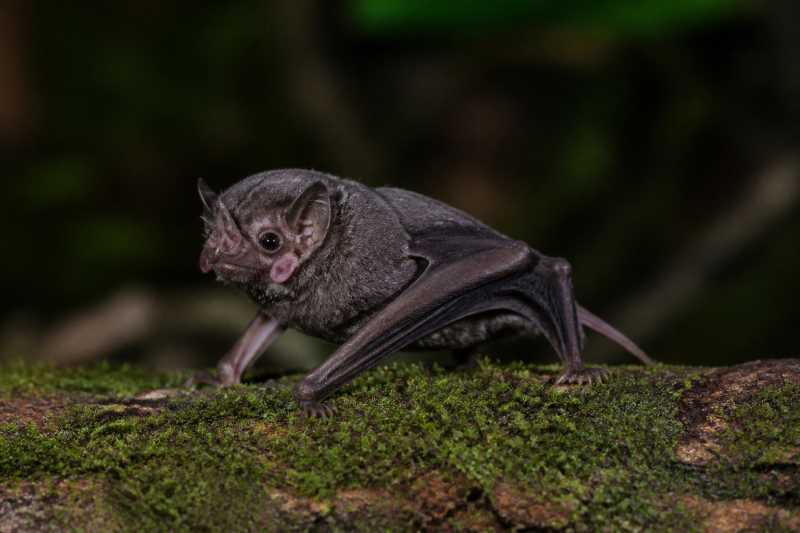
The Hoary Wattled Bat is a small to medium-sized bat characterized by its distinctive hoary fur, which gives it an almost frosted appearance. This hoary look is primarily due to the silvery-white tips on its otherwise dark fur. Adult bats typically weigh between 10 to 15 grams and have a wingspan that ranges from 26 to 30 centimeters. The species exhibits a short, blunt nose and small, rounded ears that aid in its echolocation capabilities. One of its defining features is the presence of small, wattle-like projections on its throat, which are more pronounced in males than females, giving the species its common name.
Range and Habitat
The Hoary Wattled Bat is predominantly found in Australia, occupying a range that extends from the northern parts of Queensland to New South Wales and into some parts of Western Australia. This species favors habitats that offer a combination of forested areas and open spaces. They are commonly found in eucalyptus woodlands, mangroves, and areas adjacent to water bodies, which provide ample feeding opportunities. Their roosting preferences include tree hollows and sometimes man-made structures, where they can find shelter during the day.
Behavior and Diet
The Hoary Wattled Bat is primarily nocturnal, emerging at dusk to embark on feeding excursions. Its diet mainly consists of insects, demonstrating a preference for moths and beetles. The bat uses sophisticated echolocation to navigate and hunt, emitting high-frequency sounds that bounce off objects and return as echoes, allowing it to effectively locate prey even in complete darkness. Socially, these bats are known to form small colonies, often consisting of family groups. They display a range of social behaviors, including mutual grooming and vocal communication, which play a vital role in maintaining group cohesion.
Identification Tips
Field recognition of the Hoary Wattled Bat involves noting several key characteristics. Observers should look for:
- The distinctive hoary frosted appearance of the fur.
- The presence of small, wattle-like projections on the throat, more visible in males.
- A wingspan of approximately 26 to 30 centimeters.
- A preference for habitats near water and forest edges.
These cues, combined with its echolocation calls, which are typically in the range of 30 to 40 kHz, can aid researchers and enthusiasts in accurately identifying this species in the field.
Conservation Status
Currently, the Hoary Wattled Bat is classified as a species of Least Concern by the International Union for Conservation of Nature (IUCN). However, like many other bat species, it faces threats from habitat destruction, climate change, and human disturbance. Deforestation and land development pose significant risks to their natural habitats, leading to a decrease in available roosting sites and feeding grounds. Conservation efforts are focused on habitat preservation and the establishment of protected areas to ensure the survival of these bats. Public awareness campaigns are also crucial in reducing human-induced threats.
Frequently Asked Questions
1. What does the Hoary Wattled Bat eat? The Hoary Wattled Bat primarily feeds on insects, particularly moths and beetles, which it hunts using echolocation.
2. Where can you find the Hoary Wattled Bat? This species is mainly found in Australia, inhabiting eucalyptus woodlands, mangroves, and areas near water bodies in regions such as Queensland and New South Wales.
3. How do Hoary Wattled Bats communicate? They communicate using vocalizations and echolocation. These sounds help in navigation and maintaining social interactions within colonies.
4. Are Hoary Wattled Bats endangered? Currently, they are not endangered and are listed as Least Concern. However, they are susceptible to threats like habitat destruction and climate change.
5. How do you identify a Hoary Wattled Bat in the wild? Look for their hoary frosted fur, small throat wattles, and listen for their echolocation calls in the 30 to 40 kHz range.
Related posts