Introduction
The Orinoco Serotine (Neoeptesicus orinocensis) is a fascinating member of the Vespertilionidae family, commonly referred to as the vesper bats. Known for their adaptability and nocturnal lifestyle, these mammals are primarily found in the vicinity of the Orinoco River in South America. This species, while not as famous as some of its bat relatives, plays a crucial role in the local ecosystem, primarily through insect control and pollination.
Understanding the Orinoco Serotine is vital for conservation efforts, as it helps highlight the importance of protecting lesser-known species that contribute significantly to biodiversity. This article delves into various aspects of this intriguing mammal, including its physical description, range, habitat, behavior, diet, and conservation status, while also providing tips for identification in the field.
Physical Description
The Orinoco Serotine is a small to medium-sized bat, with an average wingspan ranging from 25 to 30 centimeters. The body length typically measures between 4.5 to 6 centimeters, with a tail length of about 3 to 4 centimeters. These bats generally weigh between 8 to 15 grams.
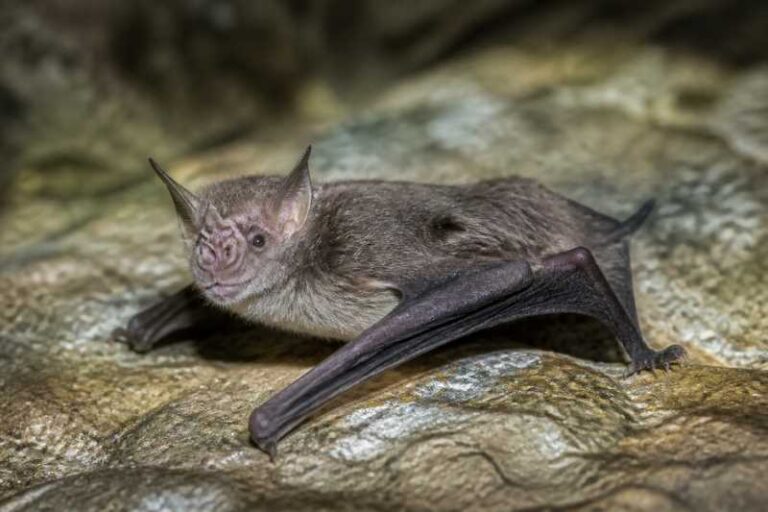
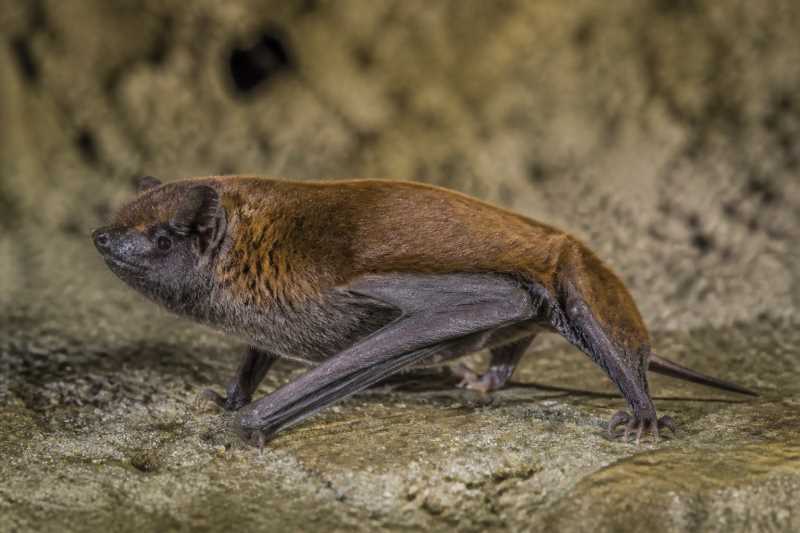
Their fur is dense and soft, with a color palette that varies from dark brown to a lighter, reddish-brown hue on the dorsal side, while the ventral side tends to be a lighter, buff-colored shade. The ears are relatively short and rounded, with a tragus that is slightly curved. The muzzle of the Orinoco Serotine is blunt, featuring a broad, flat nose which facilitates echolocation.
The wings of the Orinoco Serotine are long and narrow, adapted for agile flight through dense vegetation. Their wing membranes are a dark, almost black color, contrasting with the lighter body fur. These physical adaptations not only enhance their flight capabilities but also aid in navigating their complex habitats at night.
Range and Habitat
The Orinoco Serotine is predominantly found in the northern regions of South America, particularly in countries such as Venezuela and Colombia. Their range is closely linked to the Orinoco River basin, a diverse ecosystem that provides an abundance of food and roosting opportunities.
These bats are highly adaptable and can inhabit a variety of environments, including tropical rainforests, savannas, and even urban areas. However, they show a preference for forested regions where they can find ample roosting sites in tree hollows, caves, and man-made structures.
The Orinoco River basin, with its rich biodiversity and complex network of waterways, offers an ideal setting for these bats. The abundance of insects near the water bodies makes it a prime feeding ground, while the dense forest cover provides protection from predators.
Behavior and Diet
Orinoco Serotines are nocturnal creatures, emerging at dusk to embark on their nightly foraging excursions. They are insectivorous, with a diet primarily consisting of moths, beetles, and other flying insects. Their hunting technique involves a combination of echolocation and agile flight maneuvers to capture prey mid-air.
Echolocation is a critical component of their hunting strategy. The Orinoco Serotine emits high-frequency sound waves that bounce off objects in their environment, allowing them to map out their surroundings and locate prey with remarkable accuracy.
These bats are also known for their social behavior, often roosting in colonies that can range from a handful of individuals to several dozen. This social structure provides several benefits, including increased protection from predators and enhanced thermoregulation.
Identification Tips (Field Recognition Cues)
Identifying the Orinoco Serotine in the wild can be challenging due to its nocturnal habits and the dense environments it inhabits. However, there are several field recognition cues that can aid in identification:
- Size and Shape: Look for a small to medium-sized bat with a wingspan of 25 to 30 centimeters. The wings are long and narrow, suited for agile flight.
- Fur Color: Observe the color of the fur, which ranges from dark brown to reddish-brown on the dorsal side, with a lighter, buff-colored ventral side.
- Echolocation Calls: Use a bat detector to listen for the high-frequency echolocation calls. These calls are typically in the range of 20 to 50 kHz.
- Roosting Sites: Check potential roosting sites such as tree hollows, caves, and under eaves of buildings, particularly near water bodies.
- Behavior: Note the flight pattern at dusk; Orinoco Serotines have a distinctive, fluttery flight as they forage for insects.
Conservation Status (with Threats and Protections)
The conservation status of the Orinoco Serotine is currently listed as Least Concern by the International Union for Conservation of Nature (IUCN). However, like many other bat species, they face several threats that could impact their populations in the future.
Threats
- Habitat Destruction: Deforestation and land conversion for agriculture and urban development pose significant threats to their natural habitat.
- Water Pollution: Contamination of water bodies with pesticides and industrial chemicals can reduce insect populations, indirectly affecting the bats’ food supply.
- Climate Change: Changes in climate can alter the distribution of prey species and suitable roosting sites, impacting their survival.
Protections
Efforts to conserve the Orinoco Serotine include:
- Habitat Protection: Establishing protected areas in the Orinoco River basin to preserve critical habitats.
- Awareness Campaigns: Educating local communities about the ecological importance of bats and promoting bat-friendly practices.
- Research Initiatives: Supporting scientific research to better understand the species’ ecology and inform conservation strategies.
Frequently Asked Questions
Q1: What do Orinoco Serotine bats eat?
Orinoco Serotines primarily eat insects, including moths, beetles, and other flying insects. They use echolocation to locate and capture prey mid-air during their nocturnal foraging.
Q2: Where can I find the Orinoco Serotine?
These bats are found in the northern regions of South America, particularly in the Orinoco River basin across Venezuela and Colombia. They inhabit tropical rainforests, savannas, and urban areas.
Q3: How do Orinoco Serotine bats contribute to the ecosystem?
Orinoco Serotines play a crucial role in controlling insect populations and are also important pollinators and seed dispersers, contributing to the health and diversity of their ecosystems.
Q4: Are Orinoco Serotine bats endangered?
Currently, the Orinoco Serotine is listed as Least Concern by the IUCN. However, they face threats from habitat destruction, pollution, and climate change, which could impact their populations over time.
Q5: How can I help protect Orinoco Serotine bats?
You can help by supporting conservation efforts, spreading awareness about the importance of bats, and advocating for the protection of their natural habitats through sustainable practices.
Related posts