Introduction
The Yuanyang Tube-nosed Bat, scientifically known as Murina yuanyang, is an intriguing species that captures the fascination of bat enthusiasts and researchers alike. This bat belongs to the family Vespertilionidae, which is one of the largest families of bats, comprising a wide diversity of species. The Yuanyang Tube-nosed Bat is particularly notable for its distinctive tubular nostrils, from which it derives its common name. These bats are an important part of the ecosystem, serving roles in insect population control and pollination. In this comprehensive article, we will delve into the various aspects of the Yuanyang Tube-nosed Bat, including its physical description, range and habitat, behavior and diet, and its current conservation status.
Physical Description
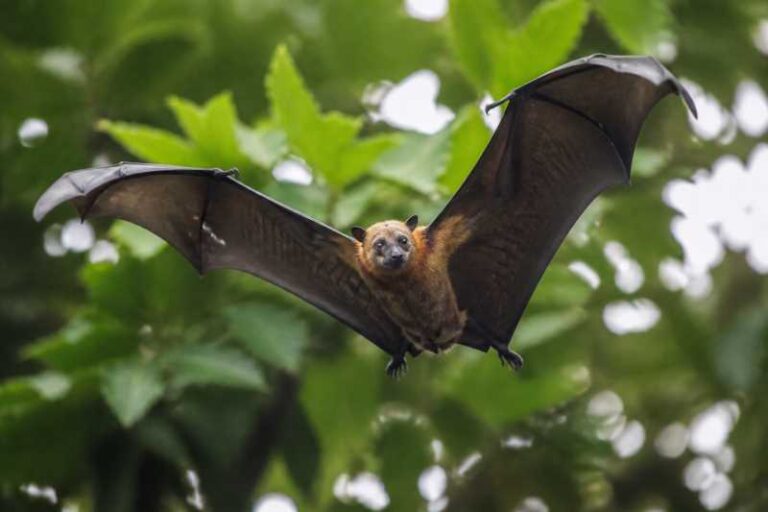
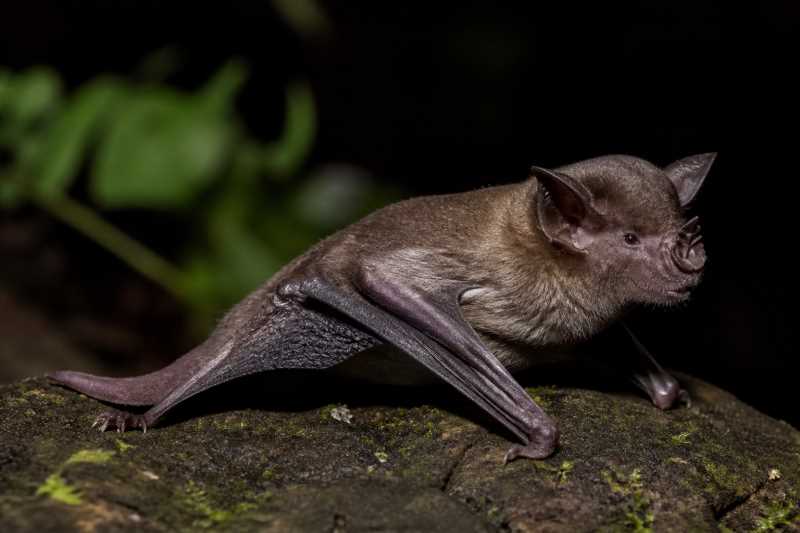
The Yuanyang Tube-nosed Bat is a small-sized bat characterized by its unique tubular nostrils which protrude slightly beyond the face, giving it a peculiar and easily identifiable appearance. The body length of these bats ranges between 4 to 5 centimeters, with a wingspan of approximately 22 to 25 centimeters, making them agile flyers. Their fur is soft and dense, with a coloration that blends shades of brown and grey, providing excellent camouflage against tree bark and foliage.
The ears of the Yuanyang Tube-nosed Bat are relatively large compared to its head size, and they are equipped with a tragus, a small pointed structure that aids in echolocation. Their wings are long and narrow, adapted for maneuverability in dense forest environments. The wing membranes are dark and semi-transparent, allowing these bats to glide effortlessly through their habitat.
Range and Habitat
The Yuanyang Tube-nosed Bat is predominantly found in the subtropical and tropical regions of Southeast Asia. Their range includes countries such as China, Vietnam, Thailand, and parts of Laos. Within these regions, they inhabit dense forests, including both deciduous and evergreen forests, where they can find ample roosting and feeding opportunities.
These bats prefer to roost in foliage, often choosing sites that provide both concealment from predators and exposure to ample insect prey. They are also known to utilize tree hollows and crevices as roosting sites. The presence of abundant water sources like streams and ponds is crucial, as these bats rely on such environments for both hydration and as breeding grounds for their insect prey.
Behavior and Diet
Yuanyang Tube-nosed Bats are primarily nocturnal, emerging from their roosts at dusk to forage for food. Their diet mainly consists of insects, making them insectivorous bats. They employ echolocation to detect and capture flying insects mid-air. The distinct frequency modulation of their echolocation calls allows them to navigate and hunt efficiently in the dense forest canopy.
These bats exhibit a solitary or small-group roosting behavior, and they are known for their agility and swift flight patterns. During the day, they rest in concealed roosts to avoid predation. Their feeding habits play a significant role in controlling insect populations, thereby maintaining ecological balance.
Identification Tips
Identifying the Yuanyang Tube-nosed Bat in the field requires attention to several key characteristics. Firstly, the unique tubular nostrils are a definitive feature that sets this species apart from other bats. Observers should also look for the bat’s small size, soft brown-grey fur, and relatively large ears.
The echolocation calls of the Yuanyang Tube-nosed Bat are specific and can be detected using bat detectors. They typically emit high-frequency sounds that vary in pitch, aiding in species identification. Additionally, their preferred habitats such as forest edges and areas near water bodies can also serve as clues for identification.
Conservation Status
The conservation status of the Yuanyang Tube-nosed Bat is currently a subject of concern, primarily due to habitat loss and fragmentation. The expansion of agricultural land, deforestation, and urbanization pose significant threats to their natural habitats. These activities not only reduce the available roosting and foraging areas but also lead to a decline in insect prey populations.
Conservation efforts are crucial to protect the remaining habitats of these bats. Legal protections in some regions, such as designated wildlife reserves and national parks, provide safe havens for their populations. Additionally, initiatives aimed at reforestation and sustainable land use practices can help mitigate habitat destruction.
Frequently Asked Questions
What is the primary diet of the Yuanyang Tube-nosed Bat? The Yuanyang Tube-nosed Bat primarily feeds on insects, utilizing echolocation to hunt and capture them during nocturnal foraging sessions.
Where can the Yuanyang Tube-nosed Bat be found? These bats are found in Southeast Asia, particularly in countries like China, Vietnam, Thailand, and parts of Laos, inhabiting dense forested areas.
What are the threats faced by the Yuanyang Tube-nosed Bat? The main threats include habitat loss due to deforestation, agricultural expansion, and urban development, which lead to reduced roosting and feeding areas.
How can one identify a Yuanyang Tube-nosed Bat? Key identification features include small body size, tubular nostrils, soft brown-grey fur, and high-frequency echolocation calls.
Why is the conservation of Yuanyang Tube-nosed Bats important? Conserving these bats is crucial for maintaining ecological balance, as they play a significant role in controlling insect populations and contributing to forest health.
Related posts