Introduction
The Beelzebub Tube-nosed Bat, scientifically known as Murina beelzebub, is an intriguing and lesser-known mammal species belonging to the family Vespertilionidae. First described in 2011, this bat has captured the attention of biologists and wildlife enthusiasts due to its unique morphology and the mystical aura surrounding its name. This article delves deep into the fascinating world of the Beelzebub Tube-nosed Bat, exploring its physical characteristics, natural habitat, behavior, and conservation status.
Physical Description
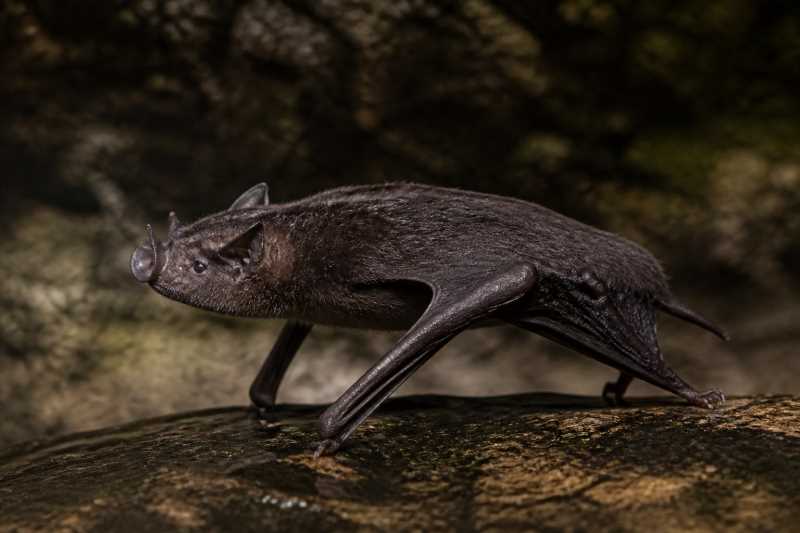
The Beelzebub Tube-nosed Bat is a small to medium-sized bat species characterized by its distinctive tube-like nostrils, which are an adaptation for its echolocation abilities. The species exhibits a striking appearance, with a dark, sooty black dorsal fur contrasted by a lighter, grayish-white ventral side. This dichromatic coloration aids in camouflage within its natural habitat.
Measuring approximately 4 to 5 centimeters in body length, with a wingspan of 25 to 28 centimeters, Murina beelzebub weighs between 5 to 9 grams. Its wing structure is designed for agility and maneuverability in dense forest canopies. The ears of the Beelzebub Tube-nosed Bat are rounded, with a short tragus, enhancing its ability to detect high-frequency sounds.
Range and Habitat
The Beelzebub Tube-nosed Bat is predominantly found in Southeast Asia. Its range includes regions of Vietnam, Laos, and parts of southern China. This species is typically associated with moist, tropical forests, particularly those at higher elevations ranging from 400 to 1,600 meters above sea level.
These bats prefer dense forest canopies and are often found roosting in tree hollows, crevices, or under large leaves. Their dependence on forest habitats makes them sensitive to environmental changes, particularly deforestation and habitat fragmentation.
Behavior and Diet
The Beelzebub Tube-nosed Bat is nocturnal, emerging at dusk to forage for food. This species is insectivorous, primarily consuming moths, beetles, and other small flying insects. The tube-nosed structure of the bat aids in its sophisticated echolocation system, allowing it to navigate and hunt effectively in total darkness.
Socially, the Beelzebub Tube-nosed Bat is known to be relatively solitary or found in small groups. During the day, they roost quietly, conserving energy for their night-time activities. Mating behaviors are not well-documented, but like many bats, they are believed to have seasonal breeding patterns, with females giving birth to one or two pups annually.
Identification Tips
Identifying the Beelzebub Tube-nosed Bat in the field requires attention to several key features:
- Nostril Structure: The tube-shaped nostrils are a distinctive feature, aiding in identification.
- Fur Coloration: Look for the contrasting dark dorsal and lighter ventral fur.
- Size and Wingspan: Small body size with a relatively large wingspan.
- Echolocation Calls: Listening for high-frequency calls can help in locating this species, though specialized equipment may be necessary.
Conservation Status
The Beelzebub Tube-nosed Bat is currently classified as "Near Threatened" on the IUCN Red List. The primary threats facing this species include habitat destruction due to logging, agricultural expansion, and urban development. These activities lead to fragmentation of their forest habitats, making survival increasingly difficult.
Conservation efforts are focused on habitat preservation and restoration. Protected areas and reserves in their native range offer some refuge, but ongoing monitoring and environmental education are crucial to ensure the long-term survival of this species.
Frequently Asked Questions
What makes the Beelzebub Tube-nosed Bat unique?
The Beelzebub Tube-nosed Bat is unique due to its tube-like nostrils, which enhance its echolocation abilities, and its striking black and white fur coloration.
Where can I observe the Beelzebub Tube-nosed Bat?
These bats are primarily found in the tropical forests of Vietnam, Laos, and southern China, often at higher elevations.
How does deforestation impact the Beelzebub Tube-nosed Bat?
Deforestation leads to habitat loss and fragmentation, which are significant threats to the survival of the Beelzebub Tube-nosed Bat, as it relies on dense forest canopies for roosting and foraging.
What are the primary dietary habits of the Beelzebub Tube-nosed Bat?
The species is insectivorous, feeding on moths, beetles, and other small flying insects, utilizing its echolocation to hunt in the dark.
Are there any conservation measures in place for the Beelzebub Tube-nosed Bat?
Yes, conservation measures include habitat protection through reserves and national parks, as well as environmental education to raise awareness about the species’ plight.
Related posts