Thomas’s Broad-nosed Bat (Platyrrhinus dorsalis)
Introduction
Thomas’s Broad-nosed Bat, scientifically known as Platyrrhinus dorsalis, is a fascinating species of bat belonging to the family Phyllostomidae. This bat species is named after the British zoologist Oldfield Thomas, who made significant contributions to the study of mammals. Known for its distinctive broad nose, this bat is a vital part of the ecosystem, contributing to seed dispersal and pollination. Its study provides insight into the ecological dynamics of the regions it inhabits, making it an important subject for both scientific research and conservation efforts.
Physical Description
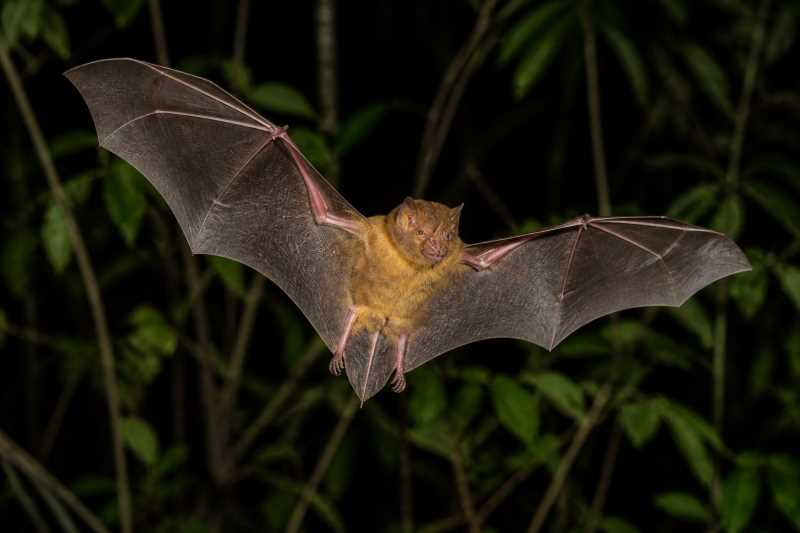
Thomas’s Broad-nosed Bat is characterized by its relatively large size compared to other bats in the same genus. It exhibits a broad, leaf-shaped nose, which is a distinctive feature of the Phyllostomidae family. The bat typically measures between 50 to 70 mm in body length, with a wingspan ranging from 30 to 35 cm. Its fur is dense and soft, usually exhibiting a brownish or grayish coloration with lighter underparts. One of the key identification features of this bat is the white or pale stripes running down the back, which contrast with its darker fur. The ears are medium-sized and rounded, aiding in its excellent echolocation abilities.
Range and Habitat
Thomas’s Broad-nosed Bat is primarily found in the tropical and subtropical regions of Central and South America. Its range extends from parts of southern Mexico through Central America, and into the northern regions of South America, including countries like Venezuela, Colombia, and Ecuador. This species thrives in a variety of habitats, including lowland tropical forests, montane forests, and sometimes even agricultural areas. It is often found roosting in the dense foliage of trees, caves, or man-made structures like abandoned buildings.
The bat’s adaptability to different habitats makes it a resilient species, capable of surviving in environments that have undergone some degree of human alteration. However, its preference for forested areas highlights the importance of preserving these ecosystems for the continued survival of the species.
Behavior and Diet
Thomas’s Broad-nosed Bat is primarily nocturnal, with peak activity occurring shortly after sunset and before sunrise. It is a frugivorous species, meaning its diet mainly consists of fruits. This dietary preference plays a crucial role in seed dispersal, making the bat an important pollinator and contributor to forest regeneration. The bat is known to feed on a variety of fruits, including figs, guavas, and bananas, which it locates using its keen sense of smell and echolocation.
In addition to fruits, Thomas’s Broad-nosed Bat may occasionally consume insects, which supplement its diet and provide additional protein. This opportunistic feeding behavior allows the bat to adapt to seasonal changes in fruit availability.
Socially, Thomas’s Broad-nosed Bat is known to roost in small groups, often comprising family units. These bats communicate using a series of vocalizations and echolocation clicks, which help them navigate and locate food in the dark.
Identification Tips (Field Recognition Cues)
Recognizing Thomas’s Broad-nosed Bat in the field requires keen observation of several key characteristics:
- Nose Leaf: Look for the distinctive broad, leaf-shaped nose, a hallmark of the Phyllostomidae family.
- Fur Coloration: Observe the bat’s dense, brownish or grayish fur with lighter underparts and prominent white or pale dorsal stripes.
- Ears and Wings: Note the medium-sized, rounded ears and the bat’s wingspan, which is relatively large for its body size.
- Roosting Behavior: If observing in its natural habitat, look for small groups roosting in trees, caves, or abandoned structures.
- Feeding Habits: During feeding, the bat’s preference for fruits can be observed, often near fruiting trees.
Conservation Status (with Threats and Protections)
The International Union for Conservation of Nature (IUCN) currently lists Thomas’s Broad-nosed Bat as a species of Least Concern. However, like many bat species, it faces several threats that could impact its population in the future. Habitat loss due to deforestation and land-use changes is the primary threat to this bat, as it relies on forested habitats for roosting and feeding.
Climate change also poses a potential threat, as it can alter the availability of fruits and suitable roosting sites. Additionally, human activities such as agriculture and urbanization can disrupt local ecosystems, further threatening the bat’s habitat.
Conservation efforts for Thomas’s Broad-nosed Bat focus on habitat preservation and restoration. Protecting large tracts of forest and implementing sustainable land-use practices are critical strategies for ensuring the species’ long-term survival. Education and awareness programs can also help reduce human-induced threats by promoting the ecological importance of bats.
Frequently Asked Questions
What is the primary diet of Thomas’s Broad-nosed Bat?
Thomas’s Broad-nosed Bat primarily feeds on fruits, making it a frugivorous species. It plays a significant role in seed dispersal and forest regeneration by consuming and dispersing the seeds of various fruit-bearing plants.
Where can Thomas’s Broad-nosed Bat be found?
This bat species is found in tropical and subtropical regions of Central and South America, including countries like Mexico, Venezuela, Colombia, and Ecuador. It inhabits diverse environments, from lowland forests to montane areas.
How does Thomas’s Broad-nosed Bat contribute to the ecosystem?
Thomas’s Broad-nosed Bat contributes to the ecosystem through seed dispersal and pollination. By feeding on fruits and dispersing seeds, it aids in forest regeneration and helps maintain plant diversity in its habitat.
What are the main threats to Thomas’s Broad-nosed Bat?
The primary threats to this bat species include habitat loss due to deforestation and land-use changes. Climate change and human activities such as agriculture and urbanization also pose significant risks to its survival.
Related posts