Thumbless Bat (Furipterus horrens): A Comprehensive Overview
Introduction
The Thumbless Bat, scientifically known as Furipterus horrens, is a fascinating species that intrigues bat enthusiasts and researchers alike. Despite its name, this small bat does possess thumbs, but they are significantly reduced, giving it a unique appearance and influencing its scientific name, which means "horrible fur" in Latin. This species is an integral part of the ecosystems it inhabits, playing a crucial role in insect population control. In this article, we delve into the various aspects of the Thumbless Bat, including its physical characteristics, habitat, behavior, and conservation status.
Physical Description
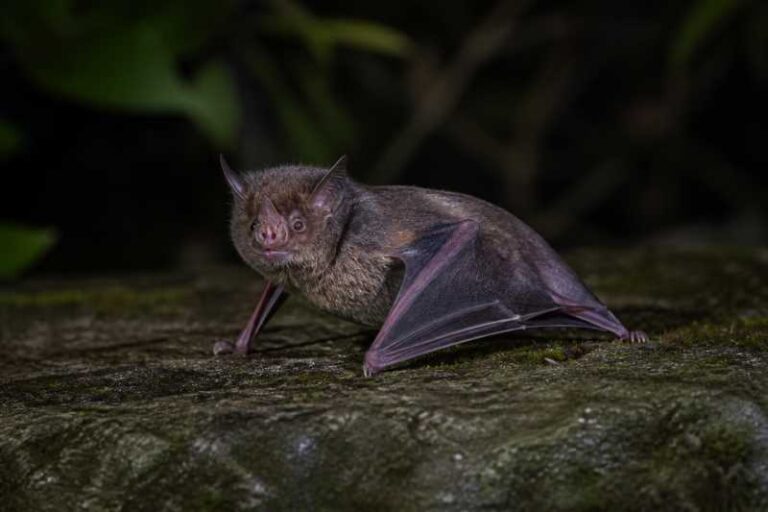
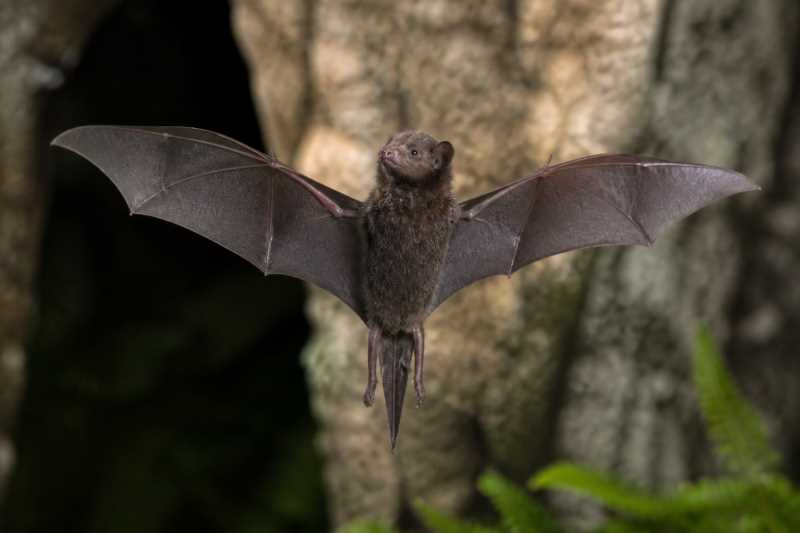
The Thumbless Bat is a small bat species, with a body length ranging from 4 to 5 cm and a wingspan of approximately 25 to 30 cm. It weighs between 3 to 4 grams, making it one of the smaller bats in its range. Its fur is grayish-brown, providing excellent camouflage against the bark of trees and cave walls. The bat’s face is distinct, with a flat nose and large, rounded ears that enhance its echolocation capabilities.
One of the most notable features of the Thumbless Bat is its reduced thumbs, which are tiny and not visible in flight, giving the impression of a "thumbless" bat. This adaptation is believed to enhance their aerial agility, making them adept at catching insects on the wing.
Range and Habitat
Furipterus horrens is predominantly found in Central and South America, with its range extending from southern Mexico through Central America and into northern South America, including countries like Colombia, Venezuela, and parts of Brazil. These bats prefer tropical and subtropical forests, where they roost in caves, hollow trees, and occasionally in man-made structures.
Their habitat selection is closely tied to the availability of suitable roosting sites and the abundance of insect prey. They are often found near water bodies, which attract a high density of insects, providing ample feeding opportunities.
Behavior and Diet
Thumbless Bats are nocturnal creatures, emerging at dusk to feed. They are insectivorous, with a diet primarily consisting of small flying insects such as mosquitoes, moths, and beetles. Their echolocation abilities are highly developed, allowing them to navigate and hunt effectively in complete darkness.
These bats are social animals, often roosting in colonies that can range from a few individuals to several hundred. During the day, they rest in dark, secluded areas, minimizing energy expenditure and avoiding predators.
Identification Tips
Identifying the Thumbless Bat in the field can be challenging due to its small size and nocturnal habits. However, there are several key characteristics to look out for:
- Size and Shape: Look for a small bat with a wingspan of 25-30 cm.
- Fur Color: Note the grayish-brown fur, which provides excellent camouflage.
- Ears: Large, rounded ears are a distinguishing feature.
- Reduced Thumbs: Although not easily visible, the absence of prominent thumbs is a key identifier.
- Flight Pattern: Observe the agile and erratic flight, typical of insectivorous bats.
Conservation Status
The Thumbless Bat is currently listed as "Least Concern" by the International Union for Conservation of Nature (IUCN). However, like many bat species, it faces several threats that could impact its populations in the future.
Threats
- Habitat Loss: Deforestation and land conversion for agriculture reduce available roosting and foraging habitats.
- Pesticide Use: Chemicals used in agriculture can reduce insect prey abundance and poison bats directly.
- Disturbance: Human activities, such as cave exploration and development, can disturb roosting sites.
Protections
Conservation efforts for the Thumbless Bat include habitat preservation and the establishment of protected areas. Educating the public about the ecological importance of bats is also crucial for their conservation.
Frequently Asked Questions
What is the primary diet of the Thumbless Bat?
The Thumbless Bat is primarily insectivorous, feeding on small flying insects such as mosquitoes, moths, and beetles.
Where can the Thumbless Bat be found?
This species is found in Central and South America, from southern Mexico through Central America to northern South America, including Colombia, Venezuela, and parts of Brazil.
How can you identify a Thumbless Bat in the wild?
Look for a small bat with grayish-brown fur, large rounded ears, reduced thumbs, and an agile flight pattern.
What are the main threats to the Thumbless Bat?
The main threats include habitat loss due to deforestation, pesticide use, and disturbance from human activities.
Why are Thumbless Bats important to the ecosystem?
Thumbless Bats play a vital role in controlling insect populations, helping to maintain ecological balance and reduce agricultural pests.
Related posts