Introduction
The Cayman Nesophontes, scientifically known as Nesophontes hemicingulus, is a fascinating yet little-known species of mammal that once inhabited the islands of the Caribbean. These small, insectivorous mammals were part of the Nesophontidae family, a group of shrew-like creatures that are now considered extinct. They are often referred to as "island shrews" due to their ecological niche and physical resemblance to true shrews, although they are not directly related. Their extinction coincided with the arrival of European settlers and the introduction of non-native species, which drastically altered the ecosystems of the Caribbean islands.
The Cayman Nesophontes, in particular, was native to the Cayman Islands, a region known for its rich biodiversity and unique wildlife. This article delves into the various aspects of Nesophontes hemicingulus, from its physical characteristics and habitat preferences to its behavior and the conservation challenges it faced. Understanding these elements provides insight into the ecological dynamics of island environments and the impact of human activities on endemic wildlife.
Physical Description
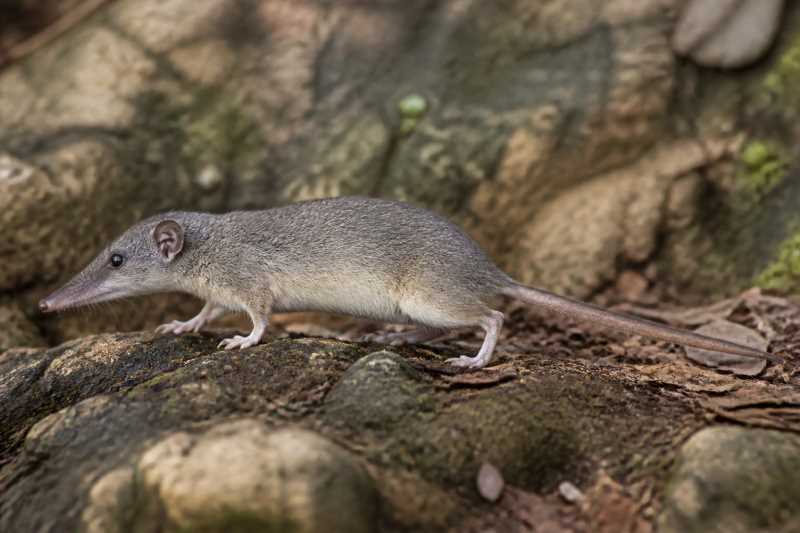
The Cayman Nesophontes was a small, nocturnal mammal characterized by its elongated body, long snout, and short limbs. Its body length ranged between 10 to 15 centimeters, and it had a tail that was proportionally long relative to its body size, aiding in balance and navigation through its environment. The fur of Nesophontes hemicingulus was typically short and dense, providing insulation and protection against the elements. The coloration was generally a mix of browns and grays, which helped it blend into the forest floor and avoid predators.
One of the most distinctive features of the Cayman Nesophontes was its dental structure. Unlike true shrews, which have a uniform set of teeth, the Nesophontes had a more varied dentition adapted to its insectivorous diet. Its teeth were sharp and pointed, ideal for capturing and consuming a variety of invertebrates. Additionally, the skull of the Cayman Nesophontes was elongated, housing a well-developed olfactory region that enhanced its ability to detect prey through scent.
Range and Habitat
Before its extinction, the Cayman Nesophontes was endemic to the Cayman Islands, which consist of Grand Cayman, Cayman Brac, and Little Cayman. These islands provided a diverse range of habitats, including tropical forests, coastal areas, and limestone caves, all of which supported the life of Nesophontes hemicingulus. The species was particularly adapted to the subtropical moist forests that covered much of the islands.
The Cayman Nesophontes thrived in regions with abundant leaf litter, which served as both a source of food and a means of concealment from predators. The dense undergrowth and complex forest floor structure offered ample opportunities for foraging and nesting. While exact population sizes are unknown, the species was likely distributed throughout the islands in areas where food resources were plentiful.
Behavior and Diet
The Cayman Nesophontes was primarily nocturnal, with most of its activity occurring at night. This behavior likely evolved as a strategy to avoid diurnal predators and to exploit the abundance of nocturnal insects. The species was solitary, with individuals maintaining distinct home ranges that they defended from others. Communication among individuals likely involved vocalizations and scent marking, although specific details of their social behavior remain speculative due to the lack of direct observations.
Dietarily, Nesophontes hemicingulus was an insectivore, feeding on a variety of invertebrates such as insects, spiders, and small crustaceans. Its keen sense of smell and acute hearing were crucial for locating prey in the dark. The Cayman Nesophontes used its long snout to probe into crevices and under leaf litter, capturing prey with its sharp, specialized teeth. This diet not only provided essential nutrients but also played a role in controlling insect populations within its ecosystem.
Identification Tips
Field recognition of the Cayman Nesophontes, although no longer possible due to its extinction, would have relied on several key characteristics:
- Size and Shape: Small body size, elongated snout, and long tail.
- Fur Coloration: Brown and gray hues that blend with the forest floor.
- Behavior: Nocturnal activity, typically seen under cover of darkness.
- Habitat: Presence in subtropical moist forests with dense leaf litter.
- Dental Structure: Sharp, pointed teeth adapted for insect consumption.
These features would have aided researchers and naturalists in distinguishing Nesophontes hemicingulus from other small mammals in the region.
Conservation Status
The Cayman Nesophontes is classified as extinct, with its demise believed to have occurred shortly after the arrival of European settlers in the Caribbean. The primary threats that contributed to its extinction include habitat destruction, predation by introduced species such as rats and cats, and competition for resources with other invasive species.
Efforts to conserve the Cayman Nesophontes were non-existent during the time it was alive, largely due to the limited scientific knowledge and awareness of its ecological role. Today, the extinction of the Cayman Nesophontes serves as a poignant reminder of the fragility of island ecosystems and the irreversible consequences of human activities.
Frequently Asked Questions
1. What did the Cayman Nesophontes eat?
The Cayman Nesophontes was an insectivore, primarily feeding on insects, spiders, and other small invertebrates. Its diet played a crucial role in maintaining the ecological balance by controlling insect populations.
2. Why did the Cayman Nesophontes go extinct?
The extinction of the Cayman Nesophontes was largely due to habitat destruction, predation, and competition from introduced species. The arrival of European settlers significantly altered its habitat and introduced new threats that the species could not withstand.
3. How was the Cayman Nesophontes related to other shrews?
While the Cayman Nesophontes resembled true shrews in appearance and ecological niche, it was not directly related to them. It belonged to a separate family, Nesophontidae, which was endemic to the Caribbean islands.
4. Where were Cayman Nesophontes found?
Cayman Nesophontes were found exclusively on the Cayman Islands, specifically in the subtropical moist forests that covered the islands. These habitats provided the necessary resources and conditions for their survival.
5. What lessons can be learned from the extinction of the Cayman Nesophontes?
The extinction of the Cayman Nesophontes highlights the importance of preserving island ecosystems and the need for timely conservation efforts. It underscores the impact of human activities on biodiversity and the urgent need to protect remaining endemic species from similar fates.
Related posts