Introduction
The Black-and-orange Myotis, scientifically known as Myotis formosus, is a captivating species of bat belonging to the Vespertilionidae family. Bats, as mammals, play a crucial role in various ecosystems around the world, and the Black-and-orange Myotis is no exception. This particular species stands out due to its striking coloration and is primarily found across parts of Asia. This article delves into the unique characteristics, habitat, and conservation status of the Black-and-orange Myotis, providing comprehensive insights into this fascinating mammal.
Physical Description
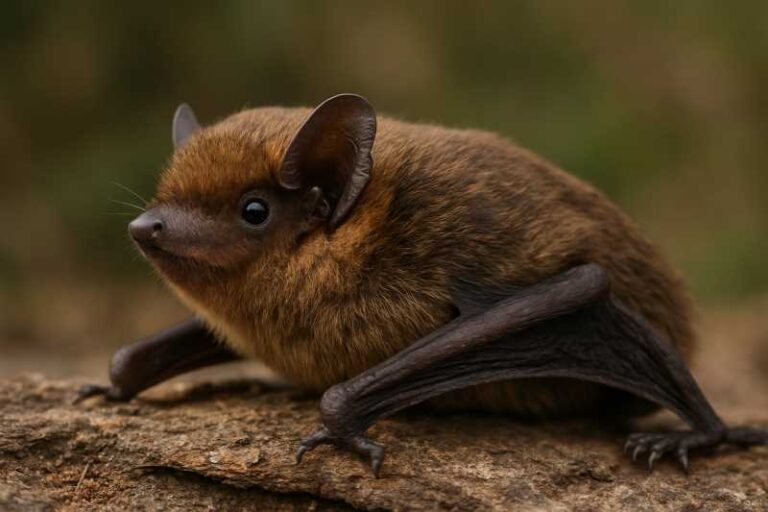
The Black-and-orange Myotis is a small to medium-sized bat characterized by its distinctive and vibrant coloration. The fur of this species is typically a rich, deep orange or golden-orange hue, which is contrasted by dark, nearly black wings and ears. This coloration not only makes it visually striking but also aids in its identification in the wild.
The body length of the Black-and-orange Myotis ranges from 4 to 6 cm, with a wingspan extending up to 25 cm. The weight of an adult bat usually varies between 5 to 10 grams. Its ears are relatively short compared to other Myotis species, and it possesses a short, rounded tragus. The tail is enclosed within the uropatagium, a membrane stretching between its hind legs, which aids in flight stability and maneuverability.
Range and Habitat
The Black-and-orange Myotis is native to Asia, with its range spanning countries such as India, Nepal, Bhutan, Myanmar, Thailand, Laos, Vietnam, and parts of southern China. It inhabits a variety of forested environments, from subtropical and tropical moist lowland forests to montane forests.
This bat species is often found roosting in caves, tree hollows, and sometimes human-made structures. The choice of roosting sites can be influenced by factors such as temperature, humidity, and the availability of food resources. The Black-and-orange Myotis is known to prefer areas with abundant insect populations, which are essential for its diet.
Behavior and Diet
The Black-and-orange Myotis is a nocturnal creature, emerging from its roosts at dusk to forage for food. It primarily feeds on insects, including beetles, moths, and other flying insects, which it catches mid-flight using echolocation. This sophisticated navigation and hunting technique involves emitting ultrasonic calls and listening for the echoes that bounce back from objects in the environment, allowing the bat to detect and capture prey with precision.
Socially, the Black-and-orange Myotis often roosts in small colonies, although solitary roosting has been observed. The colony size can vary depending on the availability of roosting sites and environmental conditions. During the breeding season, which typically occurs in the warmer months, females may form maternity colonies to rear their young.
Identification Tips (Field Recognition Cues)
Identifying the Black-and-orange Myotis in the field requires careful observation of several key characteristics:
- Coloration: Look for the distinctive orange or golden-orange fur contrasting with dark wings and ears.
- Size: Note the small size, with a body length of 4 to 6 cm and a wingspan of up to 25 cm.
- Ears and Tragus: Observe the relatively short ears and the rounded tragus.
- Flight Pattern: Watch for its agile and maneuverable flight, typical of insectivorous bats.
- Roosting Habits: Check for roosting sites such as caves and tree hollows in forested areas.
Conservation Status (with Threats and Protections)
The conservation status of the Black-and-orange Myotis is currently listed as "Least Concern" by the International Union for Conservation of Nature (IUCN). However, like many bat species, it faces threats from habitat loss and degradation due to deforestation, agriculture, and urban expansion. Additionally, the disturbance of roosting sites, particularly in caves, can negatively impact their populations.
Conservation efforts for the Black-and-orange Myotis focus on habitat protection and the establishment of protected areas to safeguard critical roosting and foraging habitats. Public education and awareness campaigns are also vital in reducing human disturbances and promoting coexistence with these beneficial mammals.
Frequently Asked Questions
- What is the primary diet of the Black-and-orange Myotis?
The Black-and-orange Myotis primarily feeds on flying insects such as beetles and moths, which it captures using echolocation during its nocturnal foraging activities.
- Where can I find the Black-and-orange Myotis in the wild?
This species is native to Asia and can be found in countries like India, Nepal, Bhutan, and parts of southern China. It inhabits forested environments, roosting in caves and tree hollows.
- How does the Black-and-orange Myotis contribute to its ecosystem?
As an insectivorous bat, the Black-and-orange Myotis helps control insect populations, thus playing a crucial role in maintaining ecological balance and aiding in pest control.
- What are the main threats to the Black-and-orange Myotis?
The main threats include habitat loss due to deforestation and urban expansion, as well as disturbance of roosting sites. Conservation efforts are focused on habitat protection and public education.
- How can I help in the conservation of the Black-and-orange Myotis?
Supporting conservation organizations, advocating for habitat protection, and participating in awareness campaigns can help in the conservation of this species and its habitat.
Related posts