Japanese Shrew Mole (Urotrichus talpoides)
Introduction
The Japanese Shrew Mole, scientifically known as Urotrichus talpoides, is a fascinating small mammal that belongs to the family Talpidae, which includes true moles. Native to Japan, this diminutive creature is a remarkable example of adaptation to subterranean life. Despite its small size and elusive nature, the Japanese Shrew Mole plays a significant role in the ecosystem, contributing to soil aeration and pest control. This article delves into the various aspects of the Japanese Shrew Mole, including its physical characteristics, habitat, behavior, and conservation status.
Physical Description
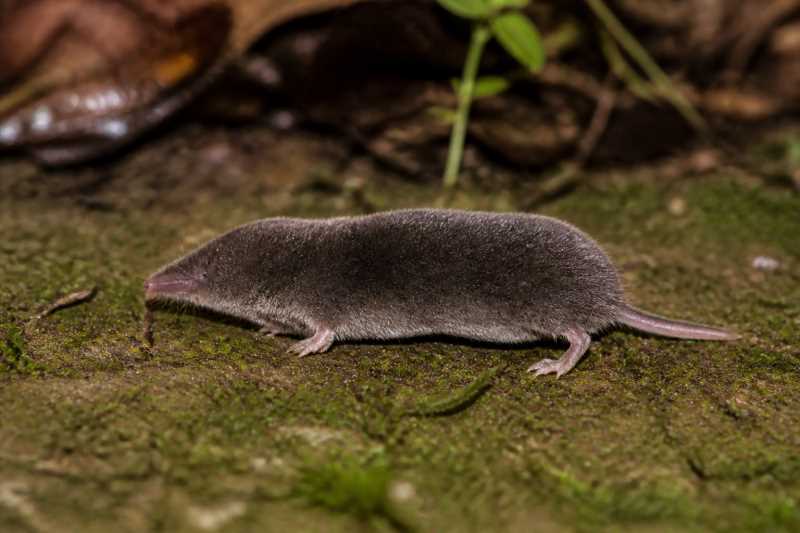
The Japanese Shrew Mole is a small, insectivorous mammal with a distinctive appearance. It measures approximately 5 to 7.5 cm (2 to 3 inches) in body length, with a tail adding an additional 3 to 4 cm (1.2 to 1.6 inches). The species is characterized by its dense, velvety fur that ranges in color from dark gray to black. This fur helps it navigate through soil with minimal resistance.
A notable feature of the Japanese Shrew Mole is its elongated snout, which is highly sensitive and equipped with a keen sense of touch. This adaptation is crucial for detecting prey underground. The eyes and ears of the mole are small and often concealed by its fur, reflecting its subterranean lifestyle. Its limbs are short and powerful, with broad, spade-like forelimbs adapted for digging.
Range and Habitat
The Japanese Shrew Mole is endemic to Japan, where it is found on the islands of Honshu, Shikoku, and Kyushu. It inhabits a variety of environments, ranging from forests and grasslands to human-modified landscapes such as gardens and agricultural fields. This versatility in habitat selection is attributed to its burrowing behavior, which allows it to escape predators and extreme weather conditions.
The mole prefers moist, loose soils that facilitate burrowing and support a rich supply of invertebrate prey. Often, it can be found near streams or in areas with abundant leaf litter, which provide additional cover and resources.
Behavior and Diet
The Japanese Shrew Mole is primarily solitary, with a lifestyle concentrated around its subterranean burrows. It is a voracious feeder, with a diet predominantly consisting of insects and other invertebrates, such as earthworms and beetle larvae. The mole uses its sensitive snout and strong forelimbs to detect and capture prey in the soil.
Activity patterns of the Japanese Shrew Mole are largely crepuscular and nocturnal, although it may also be active during the day. Its burrowing not only aids in foraging but also plays a crucial role in soil aeration, which benefits plant growth.
Identification Tips
Identifying a Japanese Shrew Mole in the field can be challenging due to its secretive nature. However, there are several cues that can aid in recognition:
- Tracks and Burrows: Look for small, shallow surface tunnels or molehills, which are indicative of its presence.
- Fur Texture: The dense, velvety fur is a distinguishing feature. If handling is possible, note the dark gray to black coloration.
- Size and Shape: The small body size, elongated snout, and reduced eyes and ears are critical identifiers.
Conservation Status
The Japanese Shrew Mole is currently listed as a species of Least Concern by the International Union for Conservation of Nature (IUCN). This classification indicates that, at present, the species faces no immediate threat of extinction. However, ongoing monitoring is essential to ensure its continued survival.
Threats
Despite its Least Concern status, the Japanese Shrew Mole faces several potential threats, including habitat destruction due to urbanization and agricultural expansion. Pesticide use in agricultural areas also poses a risk by reducing prey availability and contaminating habitats.
Protections
Conservation efforts for the Japanese Shrew Mole focus on habitat preservation and public awareness. Protected areas in Japan provide safe havens for the species, and sustainable land-use practices are encouraged to minimize habitat degradation.
Frequently Asked Questions
What is the primary diet of the Japanese Shrew Mole?
The Japanese Shrew Mole primarily feeds on insects and other invertebrates, such as earthworms and beetle larvae. Its diet reflects its role as an insectivore, contributing to pest control in its habitat.
How can I identify a Japanese Shrew Mole in the wild?
Identifying a Japanese Shrew Mole involves looking for signs such as small, shallow burrows and molehills. Additionally, its dense, velvety fur and small size are key characteristics.
Where can the Japanese Shrew Mole be found?
This species is endemic to Japan, specifically on the islands of Honshu, Shikoku, and Kyushu. It inhabits a variety of environments, including forests, grasslands, and agricultural fields.
Are Japanese Shrew Moles endangered?
Currently, the Japanese Shrew Mole is not endangered and is classified as Least Concern by the IUCN. However, it faces potential threats from habitat destruction and pesticide use.
What role does the Japanese Shrew Mole play in the ecosystem?
The Japanese Shrew Mole contributes to soil aeration through its burrowing activities, which facilitates plant growth. It also helps control insect populations, playing a critical role in ecosystem balance.
Related posts