Elliot’s Short-tailed Shrew: An In-Depth Look
Introduction
Elliot’s Short-tailed Shrew, scientifically known as Blarina hylophaga, is a fascinating mammal species found primarily in the central United States. Despite their small size, these creatures play a crucial role in their ecosystems, particularly in soil health and pest control. Often overlooked due to their subterranean lifestyle, Elliot’s Short-tailed Shrews possess a series of unique characteristics and behaviors that make them an intriguing subject of study.
Physical Description
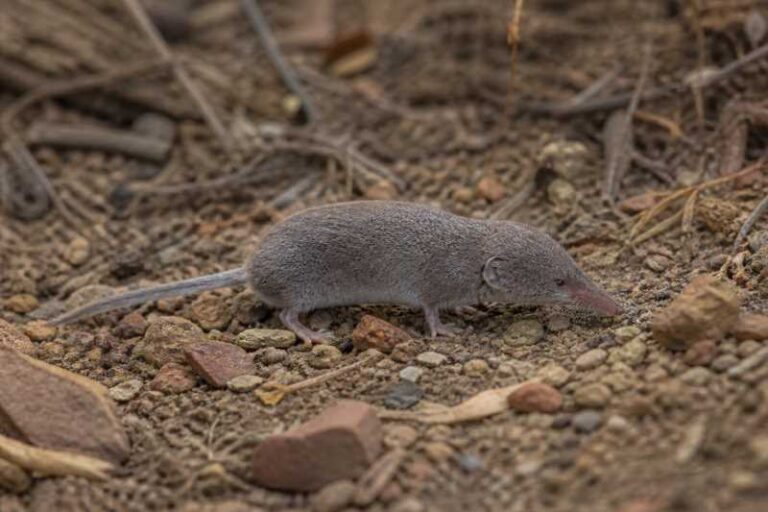
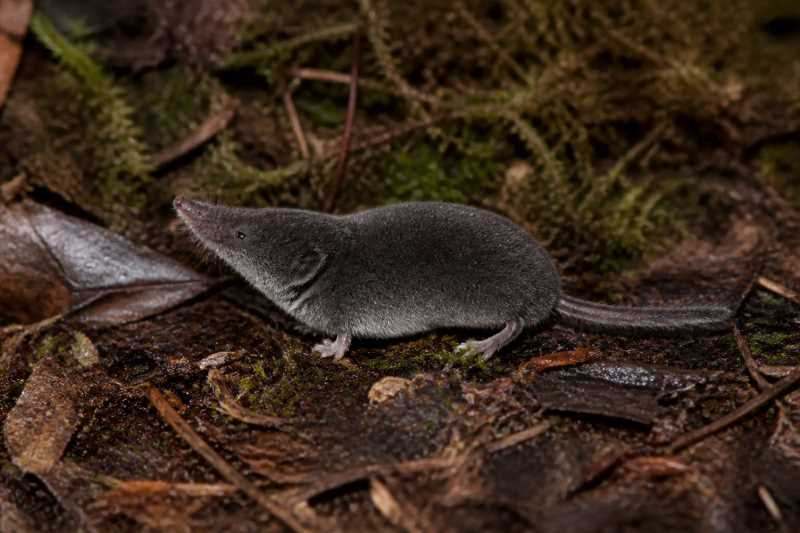
Elliot’s Short-tailed Shrew is a small, stout mammal characterized by its velvety fur and short tail, which distinguishes it from other shrew species. Typically, these shrews measure around 3.5 to 5 inches (9 to 13 cm) in total length, with the tail accounting for less than a quarter of this measurement. Their fur is generally grayish to black, providing effective camouflage against predators. The snout is elongated and pointed, housing an acute sense of smell that aids in food location.
These shrews have small eyes and ears, which are often hidden within their dense fur, reflecting their adaptation to a life spent mostly underground or beneath the leaf litter. Additionally, they possess sharp, white teeth, which are crucial for capturing and consuming prey.
Range and Habitat
Elliot’s Short-tailed Shrew is primarily found in the central regions of the United States, including parts of Kansas, Missouri, Nebraska, and Oklahoma. They inhabit a variety of environments, from woodlands and grasslands to agricultural fields and suburban areas.
These shrews prefer habitats that provide ample cover and a rich supply of invertebrates. They thrive in moist environments where the soil is soft enough for burrowing. Leaf litter, rotting logs, and dense vegetation offer ideal conditions for their foraging and nesting activities.
Behavior and Diet
Elliot’s Short-tailed Shrews are solitary and highly territorial animals. They are known for their voracious appetite, consuming nearly their body weight in food daily. Their diet primarily consists of insects, earthworms, and other small invertebrates. Occasionally, they may consume small vertebrates or plant material, especially when invertebrate prey is scarce.
These shrews are active year-round and are mainly nocturnal, although they may be active during the day in cooler months. Their activity patterns are largely influenced by the availability of food and environmental conditions.
One of the most remarkable aspects of their behavior is their ability to produce venomous saliva, which they use to subdue prey. This venom allows them to tackle prey larger than themselves, providing a competitive advantage in their environment.
Identification Tips
Identifying Elliot’s Short-tailed Shrew in the field can be challenging due to their elusive nature and the similarity to other shrew species. However, some distinguishing features include:
- Size and Proportions: Their small size and proportionally short tail are key indicators.
- Fur Color and Texture: Look for the characteristic gray to black velvety fur.
- Behavior: Observing their rapid, darting movements and subterranean foraging activities can aid identification.
- Habitat: Presence in habitats with moist soil and dense vegetation.
Conservation Status
Currently, Elliot’s Short-tailed Shrew is not listed as endangered or threatened. However, habitat destruction and environmental changes pose significant threats. Urbanization, agricultural expansion, and pesticide use can impact their populations by reducing available habitat and prey.
Efforts to conserve these shrews involve maintaining natural habitats and promoting practices that reduce pesticide use. Public education on the ecological benefits of shrews is also essential in fostering conservation efforts.
Frequently Asked Questions
What is the diet of Elliot’s Short-tailed Shrew?
Elliot’s Short-tailed Shrews primarily feed on insects, earthworms, and other small invertebrates. They have a high metabolic rate and consume almost their body weight in food daily.
Where can Elliot’s Short-tailed Shrew be found?
These shrews are found in the central United States, particularly in Kansas, Missouri, Nebraska, and Oklahoma. They inhabit woodlands, grasslands, and suburban areas with moist soil.
How can you identify Elliot’s Short-tailed Shrew?
Key identification features include their small size, short tail, gray to black velvety fur, and rapid, darting movements. They are typically found in moist environments with dense vegetation.
Are Elliot’s Short-tailed Shrews venomous?
Yes, they produce venomous saliva, which aids in subduing prey. This adaptation allows them to capture prey larger than themselves.
What threats do Elliot’s Short-tailed Shrews face?
Threats include habitat destruction, urbanization, agricultural practices, and pesticide use, which can reduce available habitat and prey populations.
Related posts