Gorongosa Gerbil (Gerbilliscus inclusus): A Comprehensive Overview
Introduction
The Gorongosa gerbil, scientifically known as Gerbilliscus inclusus, is a fascinating mammal species that has piqued the interest of researchers and wildlife enthusiasts alike. This small rodent is native to a specific region in Africa, exhibiting unique behaviors and adaptations that make it a significant subject of study. As interest in biodiversity and conservation grows, understanding the intricacies of species like the Gorongosa gerbil becomes imperative. This article delves into the physical characteristics, habitat preferences, behaviors, and conservation challenges facing this intriguing mammal.
Physical Description
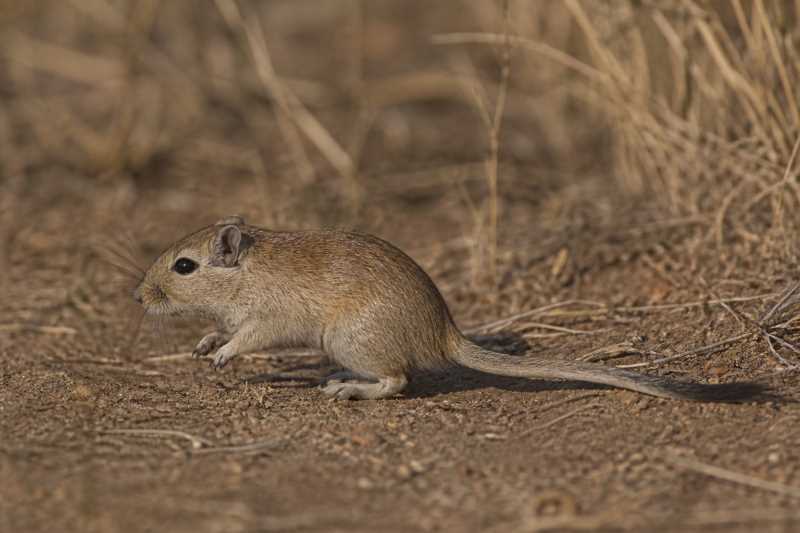
The Gorongosa gerbil is a small to medium-sized rodent, typically measuring between 15 to 20 centimeters in length, excluding the tail, which adds an additional 10 to 15 centimeters. It has a streamlined body, adapted for efficient movement through its environment. The fur of the Gorongosa gerbil is generally a sandy or light brown color, providing excellent camouflage against the arid landscapes it inhabits. This coloration can vary slightly depending on the specific region and environmental conditions.
The gerbil’s eyes are large and adapted for nocturnal activity, allowing it to navigate and forage effectively at night. Its ears are relatively small but highly sensitive, capable of detecting the faintest sounds in its surroundings. The limbs of the Gorongosa gerbil are well-developed, with strong hind legs that enable it to leap considerable distances when evading predators.
Range and Habitat
The Gorongosa gerbil is primarily found in southeastern Africa, with a significant population residing in the Gorongosa National Park in Mozambique. This region is characterized by a mix of savannah, grassland, and woodland habitats, which provide the diverse environmental conditions necessary for the gerbil’s survival.
The species thrives in areas with sandy soil, which facilitates the digging of burrows. These burrows serve as crucial refuges from predators and extreme weather conditions. The gerbil’s preference for semi-arid and arid environments means that it is well-adapted to survive in regions with limited water availability.
Behavior and Diet
Gorongosa gerbils are primarily nocturnal, spending the day within the safety of their burrows and emerging at night to forage. Their diet is omnivorous, consisting mainly of seeds, grains, and vegetation, supplemented by insects and other small invertebrates. This varied diet allows them to adapt to the seasonal availability of food resources.
Socially, Gorongosa gerbils are relatively solitary animals, although they may sometimes be observed in small family groups. Communication among individuals is achieved through a combination of vocalizations, scent markings, and physical gestures. These communication methods are vital for establishing territory and mating interactions.
Identification Tips (Field Recognition Cues)
Identifying the Gorongosa gerbil in the field requires attention to several key characteristics. Observers should look for:
- Fur Coloration: A sandy or light brown coat that blends with the surrounding environment.
- Body Size: Medium-sized rodent with a distinctive long tail.
- Behavioral Patterns: Nocturnal activity patterns, with sightings more likely during early morning or late evening.
- Habitat: Preference for sandy, semi-arid areas with visible burrow entrances.
Conservation Status (With Threats and Protections)
The Gorongosa gerbil is currently not classified as endangered, but it faces several threats that could impact its population in the future. Habitat destruction due to agricultural expansion and deforestation poses significant risks. Additionally, climate change may alter the gerbil’s habitat, affecting food availability and increasing competition for resources.
Conservation efforts are underway, particularly within protected areas like Gorongosa National Park. These initiatives focus on habitat preservation and research to better understand the ecological needs of the species. Public awareness campaigns and community involvement are also crucial in ensuring the long-term survival of the Gorongosa gerbil.
Frequently Asked Questions
What is the primary habitat of the Gorongosa gerbil?
The primary habitat of the Gorongosa gerbil is the semi-arid and arid regions of southeastern Africa, especially within Gorongosa National Park in Mozambique. They prefer areas with sandy soil suitable for burrow construction.
How does the Gorongosa gerbil adapt to its environment?
The Gorongosa gerbil adapts to its environment through its nocturnal lifestyle, sandy-colored fur for camouflage, and an omnivorous diet that varies based on food availability. Its burrowing behavior provides protection from predators and extreme temperatures.
Are Gorongosa gerbils social animals?
Gorongosa gerbils are relatively solitary, though they may occasionally form small family groups. Their communication relies on vocalizations, scent markings, and physical gestures to establish territories and facilitate mating.
What threats do Gorongosa gerbils face?
Threats to Gorongosa gerbils include habitat destruction due to human agricultural activities, deforestation, and the impacts of climate change. Conservation efforts focus on habitat preservation and research to mitigate these threats.
How can I identify a Gorongosa gerbil in the wild?
To identify a Gorongosa gerbil in the wild, look for a medium-sized rodent with sandy or light brown fur, a long tail, and nocturnal activity patterns. They are typically found in sandy, semi-arid areas with visible burrow entrances.
Related posts