Fox’s White-toothed Shrew: A Comprehensive Guide
Introduction
Fox’s White-toothed Shrew, scientifically known as Crocidura foxi, is a small mammal found in specific regions of Africa. Although lesser-known compared to other mammalian species, this shrew plays a crucial role in its ecosystem. The species is named after the British zoologist Charles Fox, who contributed significantly to mammal studies in Africa. As a member of the Soricidae family, it shares common traits with other shrews, such as a high metabolic rate and insectivorous diet. This article delves into the intriguing aspects of Fox’s White-toothed Shrew, covering its physical characteristics, habitat, behavior, and conservation status.
Physical Description
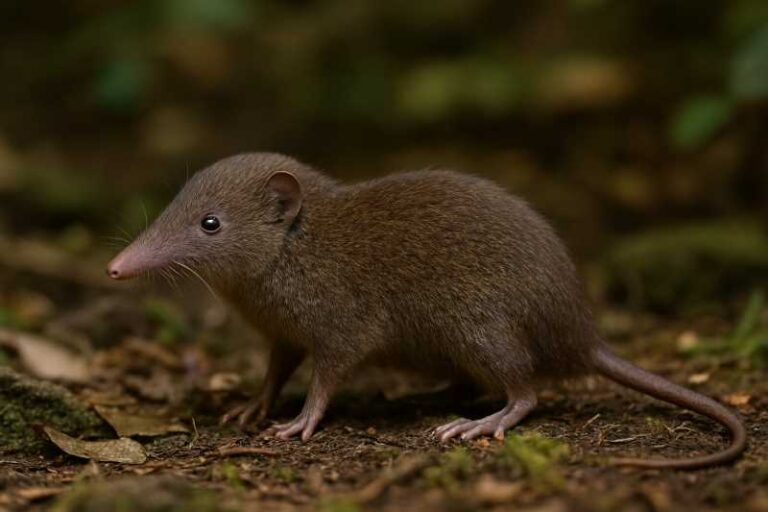
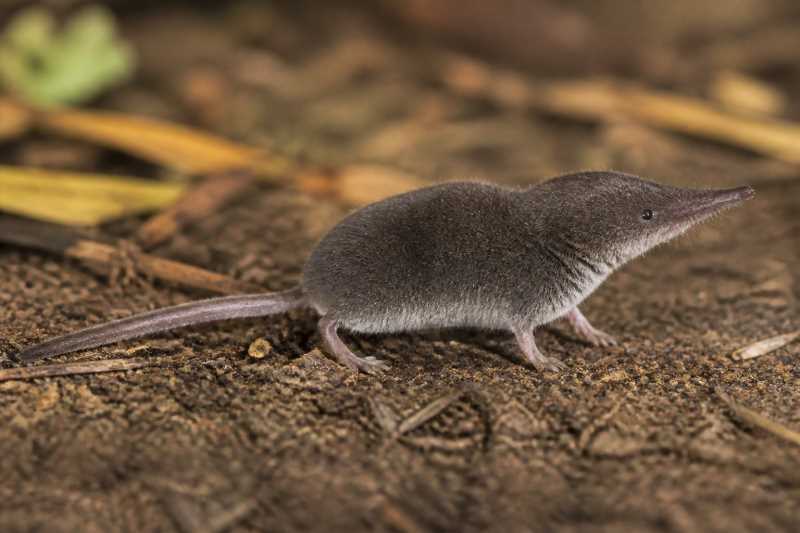
Fox’s White-toothed Shrew is a diminutive mammal, with adults typically measuring between 60-80 mm in body length, excluding the tail, which adds an additional 30-50 mm. It weighs approximately 4-8 grams, making it one of the smaller members of the genus Crocidura. The shrew is characterized by its slender body, elongated snout, and tiny eyes, which are indicative of its subterranean lifestyle. Its fur is generally grayish-brown on the dorsal side, transitioning to a lighter gray or white on the ventral side. The name "white-toothed" shrew derives from the lack of iron deposits on its teeth, unlike its red-toothed counterparts, giving them a lighter appearance.
Range and Habitat
Fox’s White-toothed Shrew is predominantly found in West Africa, with confirmed populations in countries like Nigeria, Benin, and Ghana. Its preferred habitats include moist savannas, woodlands, and areas adjacent to rivers or streams. The shrew is highly adaptable and can thrive in both primary and secondary forests, although it avoids arid and heavily urbanized regions. The presence of dense undergrowth and leaf litter is crucial for its survival, providing cover from predators and a rich source of invertebrate prey.
Behavior and Diet
The behavior of Fox’s White-toothed Shrew is typical of shrews, exhibiting high levels of activity primarily during the night (nocturnal) and twilight (crepuscular). It has a voracious appetite, necessitated by its high metabolic rate, and must consume food equivalent to its body weight daily. Its diet consists mainly of insects, spiders, earthworms, and occasionally small vertebrates or plant material. The shrew uses its keen sense of smell and hearing to locate prey, compensating for its poor eyesight.
Socially, these shrews are solitary creatures, coming together only for mating purposes. They establish small territories which they defend against conspecifics. Communication is primarily through high-pitched squeaks and scent markings, which serve as territorial signals.
Identification Tips
Identifying Fox’s White-toothed Shrew in the field requires attention to several key features:
- Size and Shape: Look for a small, slender mammal with an elongated snout and short legs.
- Coloration: Observe the grayish-brown dorsal fur and lighter underbelly.
- Teeth: Unlike some other shrew species, their teeth lack red pigmentation.
- Habitat: Check for presence in moist savannas or woodlands, particularly in West African regions.
- Behavior: Nocturnal activity and insectivorous feeding habits are indicative.
Conservation Status
According to the IUCN Red List, Fox’s White-toothed Shrew is currently classified as Least Concern. This status reflects its relatively wide distribution and presumed large population. However, like many wildlife species, it faces threats from habitat destruction due to deforestation, agricultural expansion, and urbanization. Pollution and pesticide use also pose indirect threats by reducing its prey base.
Conservation efforts focus on habitat preservation and environmental education to mitigate these risks. Protected areas within its range, such as national parks and wildlife reserves, provide crucial sanctuaries for its continued survival.
Frequently Asked Questions
What is the primary diet of Fox’s White-toothed Shrew?
Fox’s White-toothed Shrew primarily feeds on insects, spiders, and earthworms. Its high metabolic rate requires it to consume food equivalent to its body weight each day.
Where can Fox’s White-toothed Shrew be found?
This shrew is found in West Africa, particularly in Nigeria, Benin, and Ghana, inhabiting moist savannas, woodlands, and areas near water bodies.
How can I identify a Fox’s White-toothed Shrew?
Look for a small, slender mammal with an elongated snout, grayish-brown fur, and white teeth. Its nocturnal and insectivorous nature are also key identification cues.
What is the conservation status of Fox’s White-toothed Shrew?
The species is classified as Least Concern by the IUCN, but faces threats from habitat destruction and pollution, necessitating ongoing conservation efforts.
Are Fox’s White-toothed Shrews social animals?
No, they are primarily solitary, interacting with others mainly for mating purposes and maintaining small, defended territories.
Related posts