Introduction
The Mount Korinchi White-toothed Shrew, scientifically named Crocidura aequicauda, is a small mammal species that is part of the Soricidae family. This elusive creature is named after its distinct geographical location, Mount Korinchi, which is located on the Indonesian island of Sumatra. As a member of the white-toothed shrews, it is characterized by the absence of pigmentation in its dental structure, which distinguishes it from other shrew species.
Despite its significance to the ecosystem, the Mount Korinchi White-toothed Shrew remains relatively understudied, and there is limited information about its ecology and behavior. This article aims to shed light on this enigmatic species by providing detailed insights into its physical characteristics, habitat preferences, behavior, and conservation status.
Physical Description
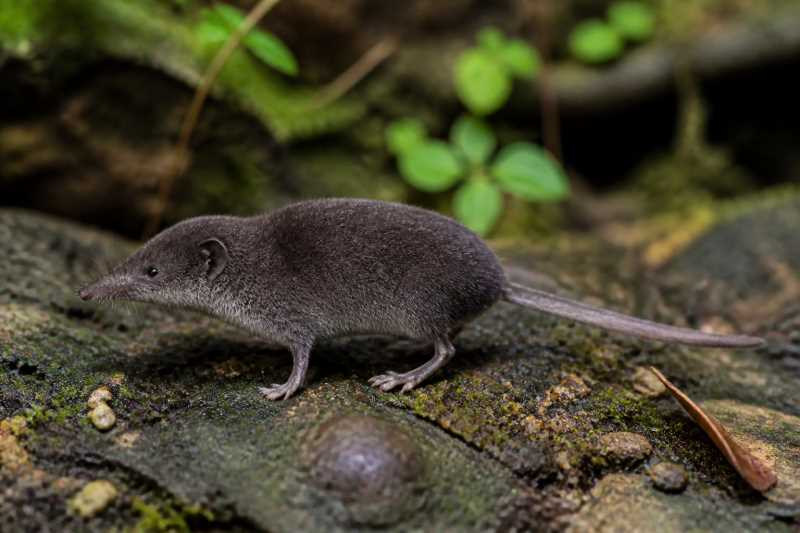
The Mount Korinchi White-toothed Shrew is a small mammal, typically weighing between 3 to 12 grams and measuring approximately 60 to 100 millimeters in length, excluding the tail. Its tail length can range from 40 to 70 millimeters, which is proportionally longer than that of many other shrew species.
The shrew’s pelage is typically dark gray or brown, providing excellent camouflage in its natural habitat. Its fur is dense and velvety, aiding in thermoregulation and protection against the elements. The species is characterized by a pointed snout, which is a common trait among shrews, and small, rounded ears that are often concealed by the fur.
One of the defining features of the Mount Korinchi White-toothed Shrew is its teeth. Unlike some shrew species with pigmented teeth, the teeth of this shrew are white, which is a notable characteristic among the Crocidura genus.
Range and Habitat
The Mount Korinchi White-toothed Shrew is endemic to Sumatra, specifically the high-altitude regions of Mount Korinchi. This area is part of the Barisan Mountain Range, which is known for its rich biodiversity and unique ecosystems.
This shrew thrives in montane forests, where it can find ample cover and food resources. The forests are characterized by dense vegetation, high humidity, and cooler temperatures compared to the lowland areas. These conditions are ideal for the shrew, which prefers moist environments with plenty of leaf litter and underbrush for foraging.
The shrew is an integral part of the montane ecosystem, playing a crucial role in pest control and soil aeration through its feeding and burrowing activities.
Behavior and Diet
The Mount Korinchi White-toothed Shrew is a solitary and primarily nocturnal creature, although it may exhibit some crepuscular activity. Its behavior is largely driven by its need to forage for food, which includes a diet rich in insects, small invertebrates, and occasionally plant matter.
The shrew is known for its high metabolic rate, necessitating frequent feeding. It uses its keen sense of smell and touch to locate prey in the dark, relying on its sensitive whiskers and mobile snout.
In addition to foraging, the shrew engages in burrowing activities, creating intricate tunnel systems in the forest floor. These burrows provide shelter and protection from predators.
Identification Tips (field recognition cues)
For researchers and enthusiasts hoping to identify the Mount Korinchi White-toothed Shrew, there are several key characteristics to look for:
- Size and Coloration: Look for a small, dark gray or brown mammal with dense, velvety fur.
- Dental Characteristics: White, unpigmented teeth are a distinguishing feature.
- Tail Length: The tail is relatively long in comparison to the body, often used for balance and support.
- Behavior: Observe nocturnal activity patterns and burrowing behavior.
Conservation Status (with threats and protections)
The conservation status of the Mount Korinchi White-toothed Shrew is currently not well-documented due to the lack of comprehensive studies. However, like many other species endemic to Sumatra, it faces potential threats from habitat loss and environmental changes.
Deforestation for agriculture and logging poses a significant threat to its habitat. Additionally, climate change may alter the delicate balance of the montane ecosystem, impacting the availability of food resources and suitable living conditions.
Conservation efforts in the region focus on habitat protection and sustainable land-use practices. Initiatives to preserve the montane forests of Mount Korinchi are critical for the survival of this and other endemic species.
Frequently Asked Questions
1. What is the natural habitat of the Mount Korinchi White-toothed Shrew?
The Mount Korinchi White-toothed Shrew is native to the high-altitude montane forests of Mount Korinchi in Sumatra, where it thrives in dense vegetation and moist environments.
2. How can I identify a Mount Korinchi White-toothed Shrew in the wild?
Look for a small mammal with dark gray or brown fur, white teeth, and a relatively long tail. It is primarily nocturnal and engages in burrowing activities.
3. What threats does the Mount Korinchi White-toothed Shrew face?
The main threats include habitat loss due to deforestation and environmental changes caused by climate change, which could impact its food resources and habitat conditions.
Related posts