Stein’s New Guinea Rat (Rattus steini)
Introduction
Stein’s New Guinea Rat, scientifically known as Rattus steini, is a fascinating rodent species native to the diverse landscapes of New Guinea. As an integral part of the ecosystem, this species contributes to the complex web of life on the island. This article delves into various aspects of the rat, including its physical attributes, habitat, behaviors, and conservation status. Understanding these elements is crucial for appreciating the ecological role of Stein’s New Guinea Rat and the need for its conservation.
Physical Description
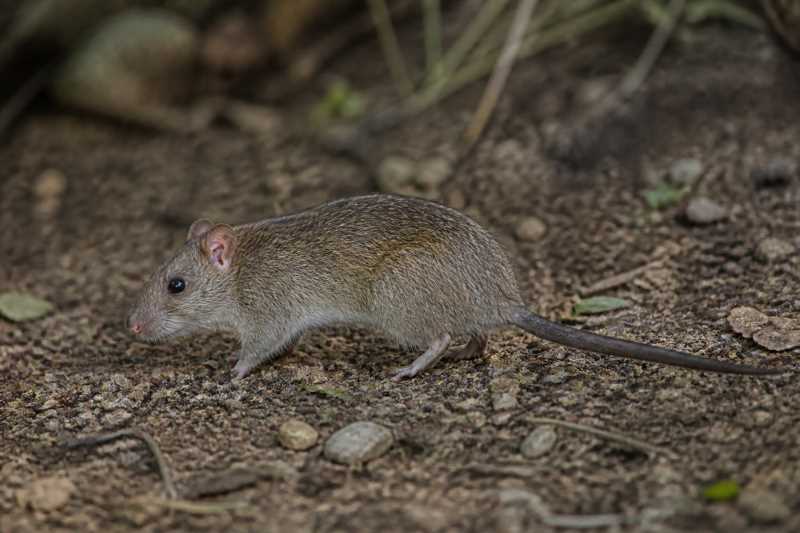
Stein’s New Guinea Rat exhibits typical rodent characteristics, yet possesses unique features that distinguish it from other species. The rat has a medium-sized body, with an average length of about 15 to 20 centimeters, not including the tail. The tail itself often matches or slightly exceeds the body length, aiding in balance and navigation through its environment.
The fur of Rattus steini is typically dense and coarse, providing protection against the elements. The coloration ranges from grayish-brown to dark brown, which offers effective camouflage in its natural habitat. The underbelly is usually lighter, often a shade of gray or cream. The ears are relatively large and rounded, and the eyes are prominent, suggesting good vision and hearing adaptability.
Range and Habitat
This species is predominantly found in the lush environments of New Guinea, an island known for its rich biodiversity. Stein’s New Guinea Rat occupies a range of habitats, from lowland tropical rainforests to montane forests. These environments provide an abundance of resources and protection from predators.
The rat is adaptable and can be found at various elevations, but it typically prefers areas with dense vegetation that offer ample cover and nesting materials. The presence of streams and rivers is also a common feature of its habitats, providing a reliable water source.
Behavior and Diet
Stein’s New Guinea Rat is primarily nocturnal, engaging in most of its activities during the night. This behavior helps it avoid daytime predators and the heat of the day. It is an agile climber and often forages both on the ground and in trees.
The diet of Rattus steini is omnivorous, consisting of fruits, seeds, insects, and small invertebrates. This varied diet allows the rat to thrive in its diverse habitat, adapting to seasonal availability of food sources. Its role as both a seed disperser and a predator of insects highlights its importance in maintaining ecological balance.
Identification Tips
Identifying Stein’s New Guinea Rat in the field requires attention to several key characteristics:
- Size and Shape: Look for a medium-sized rodent with a body length of 15 to 20 centimeters, excluding the tail.
- Coloration: Note the grayish-brown to dark brown fur with a lighter underbelly.
- Tail: The tail is often as long as the body or slightly longer, aiding in identification.
- Ears and Eyes: Large, rounded ears and prominent eyes are distinctive features.
- Habitat: Consider the environment; these rats are typically found in dense, forested areas with plenty of cover.
Conservation Status
As of the latest assessments, Stein’s New Guinea Rat does not currently face immediate extinction threats. However, its habitat is increasingly under pressure from human activities such as deforestation, agriculture, and infrastructure development. These activities lead to habitat fragmentation, which poses significant risks to the species.
Conservation efforts are crucial to ensure the survival of this species. Protected areas and sustainable land management practices are essential to mitigate habitat loss. Raising awareness about the ecological role of Rattus steini can also foster community support for conservation initiatives.
Frequently Asked Questions
What is the habitat of Stein’s New Guinea Rat?
Stein’s New Guinea Rat inhabits tropical and montane forests in New Guinea, thriving in areas with dense vegetation and reliable water sources.
How can you identify Stein’s New Guinea Rat?
Key identification features include its medium size, grayish-brown fur, long tail, large ears, and presence in forested habitats.
What threats does Stein’s New Guinea Rat face?
The main threats include habitat loss due to deforestation, agricultural expansion, and human infrastructure development.
Is Stein’s New Guinea Rat endangered?
Currently, Stein’s New Guinea Rat is not classified as endangered, but its habitat is at risk, necessitating conservation efforts.
What does Stein’s New Guinea Rat eat?
Its omnivorous diet includes fruits, seeds, insects, and small invertebrates, allowing it to adapt to available food sources.
Related posts