Radityani’s Rat (Rattus radityaniae): A Comprehensive Guide
Introduction
Radityani’s Rat, scientifically known as Rattus radityaniae, is a fascinating mammal species that has garnered significant attention from biologists and wildlife enthusiasts alike. This article delves into the various aspects of Radityani’s Rat, exploring its physical characteristics, habitat, behavior, and conservation status. By the end, you’ll have a thorough understanding of this unique species and its place in the ecosystem.
Physical Description
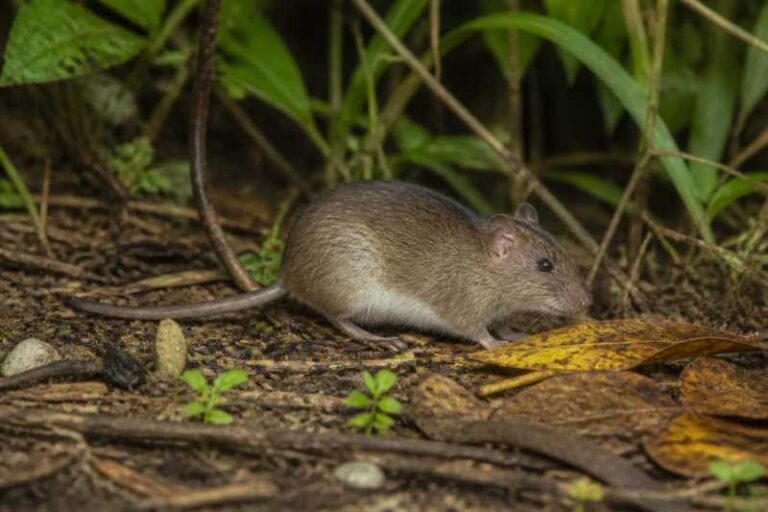
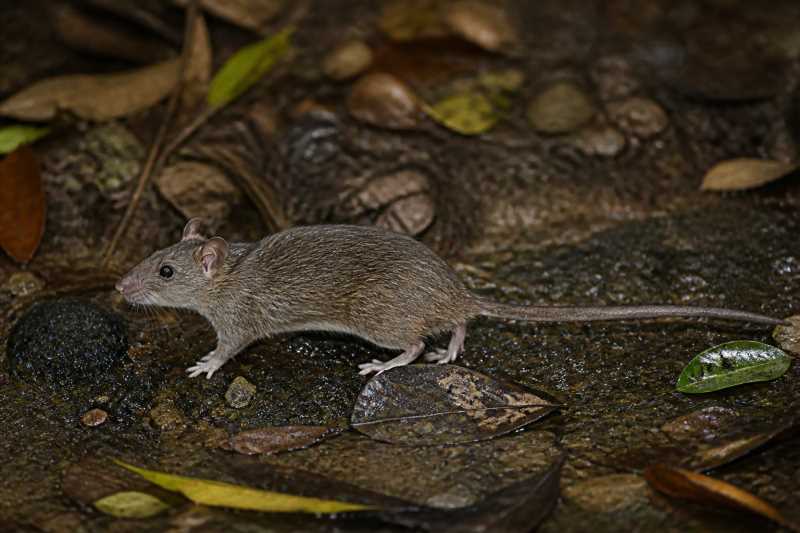
Radityani’s Rat is a medium-sized rodent, typically measuring between 18 to 25 centimeters in body length, with a tail that adds an additional 15 to 20 centimeters. The species exhibits a robust body covered with coarse, brownish-gray fur that provides excellent camouflage in its natural habitat. Its underbelly is lighter in color, often appearing off-white or pale gray.
One of the defining features of Radityani’s Rat is its prominent ears, which are rounded and relatively large in proportion to its head. These ears are pivotal for detecting predators and communicating with other rats. The rat’s eyes are also noteworthy, being large and black, which enhances its night vision capabilities.
The paws of Radityani’s Rat are adapted to its environment, with sharp claws that aid in climbing and foraging. The tail is prehensile, allowing for better balance and maneuverability among branches and foliage.
Range and Habitat
Radityani’s Rat is predominantly found in the dense forests of Southeast Asia, with a range that extends across countries like Indonesia, Malaysia, and Thailand. The species thrives in tropical climates, favoring habitats that offer ample cover and abundant food sources.
These rats are arboreal, spending a significant amount of time in trees where they build nests using leaves and twigs. However, they are also known to inhabit burrows on the forest floor, particularly during the wet season when tree habitats can become precarious.
Radityani’s Rat shows a preference for secondary forests and areas with a mix of old-growth trees and underbrush. This preference highlights the species’ adaptability to changes in forest composition and structure.
Behavior and Diet
Radityani’s Rat is primarily nocturnal, venturing out at night to forage for food. This behavior helps it avoid many diurnal predators. The species is omnivorous, with a diet that includes fruits, seeds, insects, and small vertebrates. Its foraging behavior is opportunistic, allowing it to exploit a wide range of food sources depending on availability.
Socially, Radityani’s Rat is known to form small colonies, often consisting of a dominant pair and their offspring. These groups communicate through a series of squeaks and other vocalizations, as well as scent marking to establish territory and hierarchy.
During the breeding season, which occurs twice a year, females give birth to litters of four to six pups. The young are weaned within a month and reach sexual maturity by three months, contributing to the species’ rapid population growth in favorable conditions.
Identification Tips
Identifying Radityani’s Rat in the field involves recognizing several key characteristics:
- Size and Shape: Look for a medium-sized rodent with a stout body and long tail.
- Coloration: Note the brownish-gray fur on the back and lighter underbelly.
- Ears and Eyes: Large, rounded ears and prominent black eyes are distinctive.
- Behavior: Observe for nocturnal activity and arboreal movements.
Additionally, listen for their vocalizations and look for signs of their nests in trees or burrows on the ground.
Conservation Status
Currently, Radityani’s Rat is classified as Least Concern by the International Union for Conservation of Nature (IUCN). However, like many wildlife species, it faces threats that could impact its future survival.
The primary threats include habitat destruction due to logging, agricultural expansion, and urbanization. These activities lead to fragmentation of the rat’s natural habitat, making it more challenging for populations to thrive.
Conservation efforts are focused on habitat preservation and restoration, with some regions implementing protected areas to safeguard key habitats. Public awareness campaigns also aim to reduce human-induced threats and promote coexistence with these rats.
Frequently Asked Questions
What do Radityani’s Rats eat?
Radityani’s Rats are omnivores, feeding on a variety of foods including fruits, seeds, insects, and small vertebrates. Their diet is highly adaptable to available resources.
Where can I find Radityani’s Rat in the wild?
Radityani’s Rat is found in the dense forests of Southeast Asia, particularly in Indonesia, Malaysia, and Thailand. They prefer secondary forests with a mix of old-growth trees.
How can I identify a Radityani’s Rat?
Look for a medium-sized rodent with brownish-gray fur, large rounded ears, and a long tail. They are primarily nocturnal and arboreal.
Are Radityani’s Rats endangered?
No, Radityani’s Rats are currently classified as Least Concern. However, they face threats from habitat destruction and fragmentation.
How do Radityani’s Rats communicate?
They communicate through vocalizations like squeaks and use scent marking to establish territory and social hierarchy.
Related posts