Short-tailed Bandicoot Rat (Nesokia indica)
Introduction
The Short-tailed Bandicoot Rat, scientifically known as Nesokia indica, is a fascinating rodent species that belongs to the family Muridae. This species is primarily found across South Asia and parts of the Middle East. Known for their adaptability and resilience, these rats have successfully thrived in a variety of environments, from agricultural fields to urban areas. Despite their relative abundance, the Short-tailed Bandicoot Rat plays an important role in the ecosystems they inhabit, both as prey and as a potential pest.
Physical Description
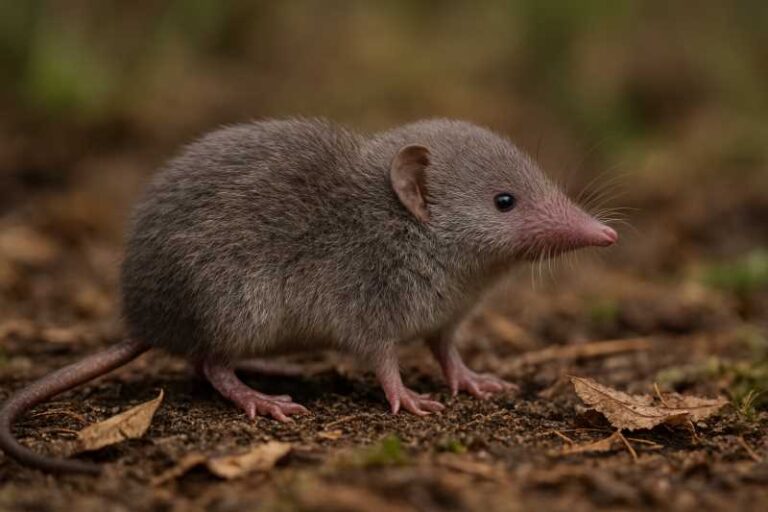
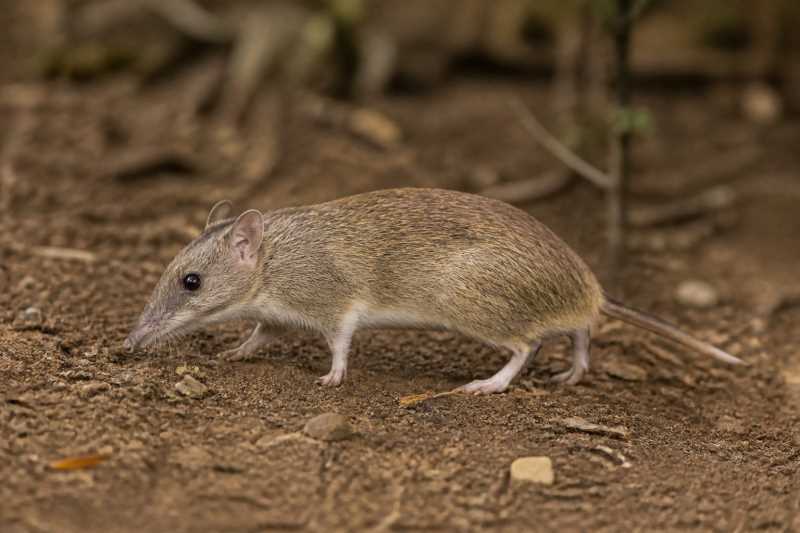
The Short-tailed Bandicoot Rat is a medium-sized rodent, characterized by its robust body and relatively short tail, which is one of its most distinguishing features. These rodents typically measure between 15 to 20 cm in body length, with the tail adding an additional 7 to 10 cm. The tail is notably shorter than the body length, which differentiates them from many other rodent species.
Their fur is generally coarse and varies in color from grayish-brown to dark brown, with a paler underside. This coloration provides excellent camouflage in their natural habitats, aiding in their protection from predators. The head of the Short-tailed Bandicoot Rat is broad with small, rounded ears, and their eyes are relatively large, providing good night vision.
Range and Habitat
Nesokia indica is predominantly found across South Asia, including countries like India, Pakistan, Nepal, and Bangladesh. Their range extends westward into Iran and Afghanistan, and they have been reported in some parts of the Middle East.
These rats are highly adaptable and can be found in a wide range of habitats. They thrive in grasslands, agricultural fields, and scrublands, and are also known to inhabit human settlements, especially in rural areas. Their burrowing behavior allows them to create extensive underground networks, providing shelter and storage for food.
Behavior and Diet
Short-tailed Bandicoot Rats are primarily nocturnal, which means they are most active during the night. This behavior helps them avoid many daytime predators. They are solitary creatures, with each rat maintaining its own burrow and territory.
Their diet is omnivorous, consisting of seeds, roots, and insects. In agricultural areas, they are known to feed on cultivated crops such as rice and wheat, which sometimes brings them into conflict with farmers. These rats are also known to store food in their burrows, ensuring they have reserves during periods of scarcity.
Identification Tips
Identifying the Short-tailed Bandicoot Rat in the field can be done by observing several key characteristics:
- Tail Length: The tail is noticeably shorter than the body, a primary feature distinguishing them from other rodents.
- Fur Texture and Color: Coarse, grayish-brown to dark brown fur with a paler underside.
- Size: Medium-sized, with a body length ranging from 15 to 20 cm.
- Ears and Eyes: Small, rounded ears and relatively large eyes.
- Burrowing Behavior: Look for signs of burrows in the ground, often with visible entry holes and soil mounds.
Conservation Status
Currently, the Short-tailed Bandicoot Rat is listed as Least Concern by the International Union for Conservation of Nature (IUCN). This status is due to their wide distribution and large population numbers. However, they face threats from habitat destruction due to urbanization and agricultural expansion.
In some regions, they are considered pests due to their tendency to damage crops, which has led to control measures that can impact local populations. Conservation efforts focus on habitat preservation and minimizing human-wildlife conflict by promoting sustainable agricultural practices and the use of humane control methods.
Frequently Asked Questions
What is the natural habitat of the Short-tailed Bandicoot Rat?
The Short-tailed Bandicoot Rat thrives in grasslands, agricultural fields, and scrublands. They are also commonly found in rural human settlements where they utilize burrowing to create extensive underground habitats.
How does the Short-tailed Bandicoot Rat impact agriculture?
These rats are known to feed on agricultural crops such as rice and wheat, which can lead to significant crop damage. This often results in conflict with farmers who view them as pests.
Are Short-tailed Bandicoot Rats nocturnal?
Yes, they are primarily nocturnal creatures. Their activity peaks during the night, which helps them avoid many predators and exploit food resources with reduced competition.
How can I identify a Short-tailed Bandicoot Rat?
Look for a medium-sized rodent with a short tail, coarse grayish-brown fur, small rounded ears, and large eyes. Their burrowing behavior and habitat preferences can also help in identification.
What are the conservation measures for the Short-tailed Bandicoot Rat?
Conservation efforts focus on habitat preservation and reducing human-wildlife conflict. Employing sustainable agricultural practices and humane wildlife control methods are key strategies in their conservation.
Related posts