Introduction
The Riverine Soft-furred Mouse (Praomys mutoni) is an intriguing rodent species that captures the interest of both wildlife enthusiasts and researchers. Known for its subtle yet distinctive features, this small mammal plays a vital role in its natural ecosystem. Despite its diminutive size, the Riverine Soft-furred Mouse contributes significantly to the ecological balance, acting as both prey and seed disperser. This article delves into the fascinating world of Praomys mutoni, exploring its physical characteristics, habitat, behavior, and conservation status.
Physical Description
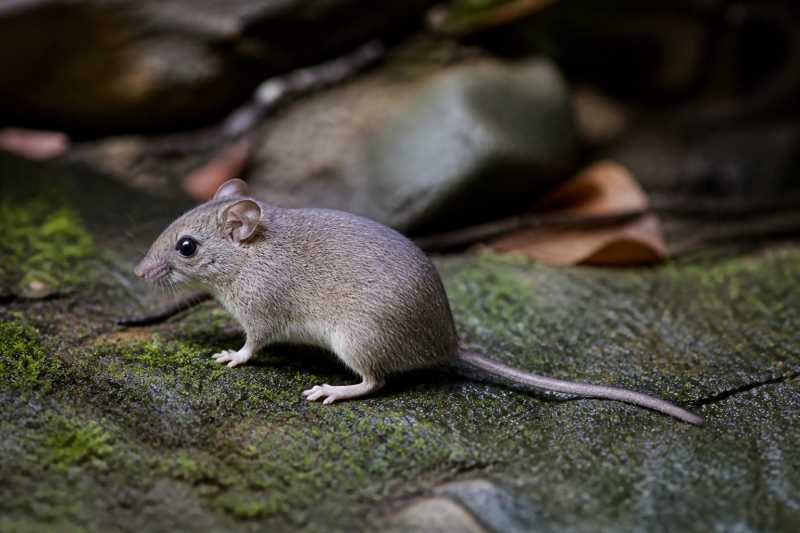
The Riverine Soft-furred Mouse is a small rodent with a body length ranging from 8 to 11 centimeters, excluding its tail, which generally measures slightly longer than the body. It possesses a soft, dense coat of fur that is typically a grayish-brown color, providing excellent camouflage against the forest floor. The underbelly is lighter, often a pale gray or white, which can help in distinguishing it from other species. Its eyes are large and black, adapted for its nocturnal lifestyle, while the ears are rounded and moderately sized. The Riverine Soft-furred Mouse has slender limbs with sharp claws suitable for climbing and digging.
Range and Habitat
Praomys mutoni is primarily found in the riverine forests of Central Africa. Its range extends across several countries, including the Democratic Republic of Congo, Uganda, and Rwanda. This species thrives in moist, tropical environments, particularly in lowland and montane forests near water bodies such as rivers and streams. The presence of dense undergrowth and ample cover is crucial for its survival, providing both shelter from predators and abundant food resources. The Riverine Soft-furred Mouse is highly adaptable, capable of living in secondary forests and areas that have undergone some degree of human alteration, provided that sufficient vegetation cover remains.
Behavior and Diet
The Riverine Soft-furred Mouse is primarily nocturnal, spending the daylight hours hidden in burrows or dense vegetation. It is an omnivorous species, with a diet that includes seeds, fruits, insects, and small invertebrates. This diverse diet not only supports its nutritional needs but also aids in seed dispersal, making it an important component of its ecosystem. Socially, the Riverine Soft-furred Mouse tends to be solitary or found in small family groups. It communicates through a series of high-pitched squeaks and uses scent markings to establish territory. During the breeding season, which typically coincides with the rainy months, the female gives birth to litters of two to six young after a gestation period of around 21 days.
Identification Tips
To identify the Riverine Soft-furred Mouse in the field, look for its distinctive soft and dense fur, which is grayish-brown with a lighter underbelly. Its relatively large ears and eyes are notable features, as is its long tail that exceeds the length of its body. Observe its behavior during the night when it is most active, foraging for food. Listen for its characteristic squeaks, especially during the breeding season. Its presence is often indicated by small burrows or tracks in soft soil near water bodies.
Conservation Status
The Riverine Soft-furred Mouse is currently classified as a species of Least Concern by the International Union for Conservation of Nature (IUCN). However, its populations are subject to threats such as habitat destruction due to logging, agriculture, and human settlement expansion. These activities lead to fragmentation of its natural habitat, posing a challenge to its survival. Conservation efforts are focused on protecting its habitat by establishing protected areas and promoting sustainable land-use practices. Continued research and monitoring are essential to ensure this species does not move towards a more threatened status.
Frequently Asked Questions
1. What is the natural habitat of the Riverine Soft-furred Mouse?
The Riverine Soft-furred Mouse thrives in moist, tropical environments, particularly in lowland and montane forests near water bodies like rivers and streams. It prefers areas with dense vegetation that provide ample cover and food resources.
2. How can you differentiate the Riverine Soft-furred Mouse from other rodents?
Key identification features include its soft, dense grayish-brown fur with a lighter underbelly, large black eyes, and a tail that is longer than its body. Its behavior, such as nocturnal foraging and high-pitched calls, can also aid in identification.
3. Are there any conservation measures in place for Praomys mutoni?
Yes, conservation measures include habitat protection through the establishment of protected areas and promoting sustainable land-use practices. Ongoing research and monitoring are crucial to ensure the species’ long-term survival.
4. What does the Riverine Soft-furred Mouse eat?
This species is omnivorous, feeding on seeds, fruits, insects, and small invertebrates. Its diet plays a crucial role in seed dispersal within its ecosystem.
5. When is the breeding season for the Riverine Soft-furred Mouse?
The breeding season typically coincides with the rainy months, during which females give birth to litters of two to six young after a gestation period of about 21 days.
Related posts