Introduction
The Lukolela Swamp Mouse, scientifically known as Congomys lukolelae, is a relatively obscure species of rodent native to the central African region. This unique mammal is part of the diverse Muridae family, which includes other mice and rats. Despite its limited range and niche habitat, the Lukolela Swamp Mouse plays a vital role in its ecosystem, contributing to seed dispersal and serving as prey for local predators. This article explores the fascinating world of the Lukolela Swamp Mouse, delving into its physical characteristics, natural habitat, behavior, diet, and conservation status.
Physical Description
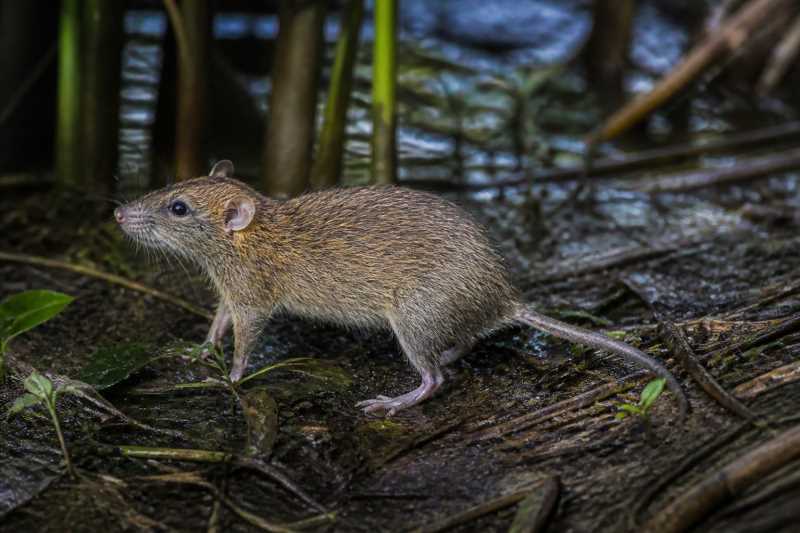
The Lukolela Swamp Mouse is a small rodent, typically measuring between 10 to 15 centimeters in body length, with a tail that can add an additional 8 to 12 centimeters. This species displays a distinctive fur coloration that ranges from a soft brown to a grayer hue, providing excellent camouflage in its swampy habitat. Its fur is dense and water-resistant, an adaptation to its wet environment. The mouse’s ears are relatively small and rounded, and its eyes are large and adapted for low-light conditions, reflecting its nocturnal lifestyle. The Lukolela Swamp Mouse possesses sharp claws and a robust set of teeth, ideal for digging and foraging through its habitat.
Range and Habitat
The Lukolela Swamp Mouse is endemic to the Lukolela region in the Democratic Republic of Congo. This species thrives in swampy and marsh-like environments, where the dense vegetation offers ample cover and food resources. The habitat of the Lukolela Swamp Mouse is characterized by its high humidity, abundant water sources, and rich biodiversity. These swamps are part of the broader Congo River Basin, one of the most biologically diverse areas on the planet. The mouse’s preference for such specific habitats makes it particularly susceptible to environmental changes and habitat destruction.
Behavior and Diet
The Lukolela Swamp Mouse is primarily nocturnal, actively foraging for food during the night. This behavior helps it avoid daytime predators and the heat of the sun. The diet of the Lukolela Swamp Mouse mainly consists of seeds, fruits, and small insects. Its role as a seed disperser is crucial for maintaining the ecological balance of its habitat. Socially, these mice are generally solitary, coming together only during the breeding season. They communicate through a series of high-pitched calls and scent markings, which help establish territories and mating readiness.
Identification Tips (Field Recognition Cues)
- Fur Coloration: Look for the soft brown to gray fur that blends seamlessly with swamp vegetation.
- Size and Shape: Note the small size, with a total length including tail reaching up to 27 centimeters.
- Habitat: These mice are found specifically in swampy areas, often near water bodies within the Congo Basin.
- Behavior: Active during nighttime, look for signs of movement and feeding at dusk or dawn.
- Vocalizations: Listen for high-pitched calls in the dense undergrowth.
Conservation Status (with Threats and Protections)
Currently, the Lukolela Swamp Mouse is classified as a species of Least Concern by the International Union for Conservation of Nature (IUCN). However, its limited range and specialized habitat make it vulnerable to threats such as habitat destruction, primarily due to agricultural expansion and deforestation in the region. Climate change also poses a long-term threat, potentially altering the swampy ecosystems the species depends on. Conservation efforts for the Lukolela Swamp Mouse focus on habitat protection and sustainable land-use practices. Local and international conservation groups are working to preserve the biodiversity of the Congo Basin, which indirectly benefits this species.
Frequently Asked Questions
1. What are the main threats to the Lukolela Swamp Mouse? The primary threats include habitat destruction due to agriculture and deforestation, as well as potential impacts from climate change.
2. How does the Lukolela Swamp Mouse contribute to its ecosystem? It plays a vital role in seed dispersal and serves as an important food source for predators, maintaining ecological balance.
3. Is the Lukolela Swamp Mouse endangered? Currently, it is not considered endangered but is classified as Least Concern. However, its habitat is vulnerable to human activities.
4. Where can the Lukolela Swamp Mouse be found? It is found in the swampy regions of the Lukolela area within the Democratic Republic of Congo.
5. What adaptations does the Lukolela Swamp Mouse have for its environment? Its dense, water-resistant fur and nocturnal habits are key adaptations for surviving in swampy habitats.
Related posts