Introduction
The Ryukyu Mouse, scientifically known as Mus caroli, is a captivating small mammal species found primarily in Asia. This rodent, native to several regions, including the Ryukyu Islands in Japan, plays a significant role in its ecosystem as both a prey item and a seed disperser. As an intriguing subject for biodiversity studies, the Ryukyu Mouse offers insights into the complex interdependencies within its habitat. This article explores the various facets of this species, from its physical characteristics to its behavior, diet, and conservation status.
Physical Description
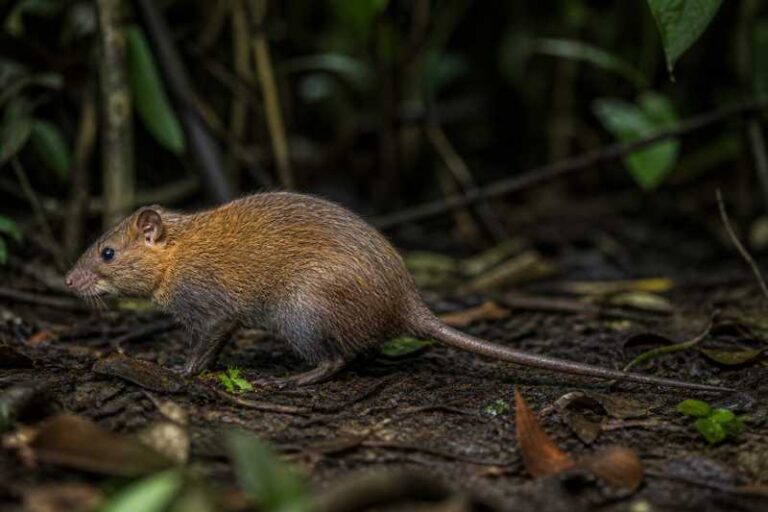
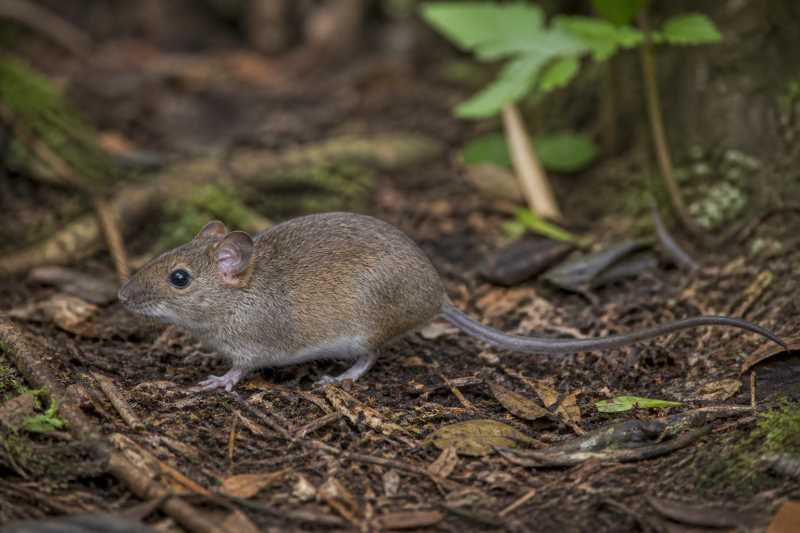
The Ryukyu Mouse is a small rodent with distinct features that aid in its identification. Typically, an adult Ryukyu Mouse measures between 5 to 10 centimeters in body length, excluding the tail, which adds an additional 4 to 8 centimeters. The average weight of this species ranges from 10 to 20 grams.
Characterized by its soft fur, the Ryukyu Mouse’s dorsal side is generally grayish-brown, providing excellent camouflage against the forest floor. The ventral side is lighter, often white or grayish-white, which helps in thermoregulation. Its ears are relatively large and rounded, enhancing its acute sense of hearing, while its eyes are prominent, indicative of its nocturnal nature.
The tail of the Ryukyu Mouse is sparsely furred and serves multiple purposes, including balance and communication. Another distinctive feature is its sharp, ever-growing incisors, which are crucial for gnawing on various food items.
Range and Habitat
Native to East Asia, the Ryukyu Mouse is predominantly found across the Ryukyu Islands, Taiwan, and parts of Southeast Asia. This species thrives in warm temperate to subtropical climates, favoring areas with dense vegetation and ample cover.
The Ryukyu Mouse primarily inhabits forested regions, including both evergreen and deciduous forests. They are also found in grasslands and shrublands, where they create elaborate burrow systems. These burrows provide protection from predators and harsh environmental conditions, as well as a place for storing food and raising young.
Human-altered landscapes, such as agricultural fields and plantations, also support populations of the Ryukyu Mouse, provided there is sufficient ground cover and food availability.
Behavior and Diet
The Ryukyu Mouse is a nocturnal creature, with most of its activities occurring during the night. This behavior is an adaptation to avoid daytime predators and capitalize on the cooler temperatures of the night.
Socially, the Ryukyu Mouse is relatively solitary except during the breeding season. Mating typically occurs in the warmer months, with females giving birth to litters of three to eight young after a gestation period of about three weeks. The young are weaned within a month and become sexually mature by two to three months of age.
The diet of the Ryukyu Mouse is omnivorous, consisting of seeds, fruits, insects, and small invertebrates. Their foraging behavior is strategic, often storing food in their burrows to ensure a consistent supply.
Identification Tips (Field Recognition Cues)
Identifying the Ryukyu Mouse in the field can be challenging due to its nocturnal nature and resemblance to other small rodents. However, certain cues can aid in its recognition:
- Size and Shape: Look for a small rodent with a relatively long tail and rounded ears.
- Fur Color: Note the grayish-brown dorsal fur and lighter ventral side, which are distinguishing features.
- Behavior: Observation during night hikes can increase chances of sighting, as they are most active at night.
- Habitat: Search in forested and shrubby areas with dense ground cover.
- Tracks and Burrows: Look for small, intricately dug burrows and tiny tracks on soft ground as signs of their presence.
Conservation Status (With Threats and Protections)
The International Union for Conservation of Nature (IUCN) currently lists the Ryukyu Mouse as a species of "Least Concern." However, this status does not mean the species is free from threats. Habitat destruction, primarily due to deforestation and agricultural expansion, poses significant risks to their populations.
Invasive species, such as rats and domestic cats, introduced by humans also threaten the Ryukyu Mouse by predation and competition for resources. Climate change further exacerbates these threats by altering their natural habitats.
Conservation efforts for the Ryukyu Mouse include habitat restoration and protection, as well as measures to control invasive species. Continued research and monitoring are vital to ensure that populations remain stable and to implement effective conservation strategies.
Frequently Asked Questions
What is the lifespan of the Ryukyu Mouse?
The Ryukyu Mouse typically lives for about two years in the wild. However, this can vary based on environmental conditions and predation pressures.
How does the Ryukyu Mouse contribute to its ecosystem?
The Ryukyu Mouse plays a crucial role as both a prey species for larger predators and as a seed disperser, aiding in plant propagation within its habitat.
Are Ryukyu Mice found outside of Asia?
While their primary range is within Asia, particularly the Ryukyu Islands, Taiwan, and parts of Southeast Asia, they are not naturally found outside of these regions.
What adaptations help the Ryukyu Mouse survive in its environment?
Adaptations such as nocturnal behavior, camouflage coloring, sharp incisors, and burrowing abilities help the Ryukyu Mouse thrive in its natural habitat.
How can human activities impact the Ryukyu Mouse?
Human activities such as deforestation, agricultural expansion, and urban development can lead to habitat loss and fragmentation, posing threats to the Ryukyu Mouse populations.
Related posts