Introduction
The Tete Rock Rat, scientifically known as Aethomys ineptus, is a fascinating rodent species that inhabits various parts of southern Africa. As a member of the Muridae family, this species has garnered significant interest among scientists and wildlife enthusiasts due to its unique adaptations and ecological role. Understanding the Tete Rock Rat’s characteristics, behavior, and conservation status is crucial for appreciating its place within the diverse tapestry of African wildlife.
This article delves into the physical description, habitat, behavior, and conservation status of the Tete Rock Rat, offering insights into its life and challenges in the wild. Whether you’re a researcher, a student, or simply an animal lover, this comprehensive guide will enhance your knowledge about this intriguing mammal.
Physical Description
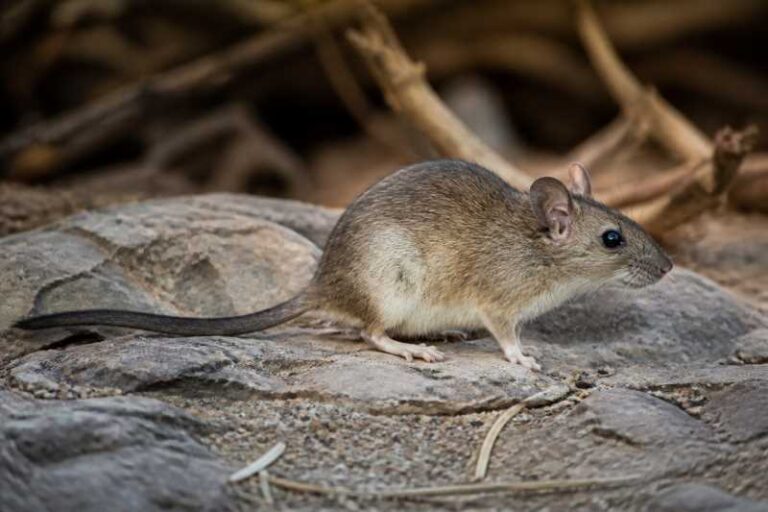
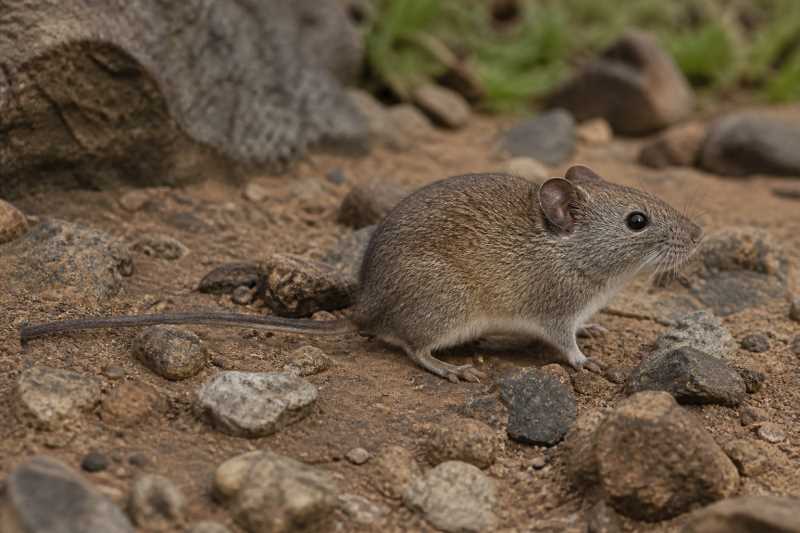
The Tete Rock Rat is a medium-sized rodent, with a body length ranging from 12 to 15 centimeters, and a tail that often extends an additional 13 to 18 centimeters. Weighing between 80 and 140 grams, it possesses a robust and agile build, allowing it to navigate its rocky habitat with ease.
The fur of the Tete Rock Rat is typically a rich, tawny brown on the dorsal side, which blends seamlessly with the rocky environments it calls home. The ventral side is lighter, often a pale cream or white, providing a striking contrast. This coloration not only aids in camouflage but also plays a role in thermoregulation.
Distinctive features include large, rounded ears and prominent, dark eyes that enhance its nocturnal vision. Its sharp, curved claws are adept at gripping rocky surfaces, while its long, sensitive whiskers aid in navigation and foraging in dim light.
Range and Habitat
The Tete Rock Rat is primarily found in southern Africa, with a distribution that includes parts of Zimbabwe, Mozambique, and South Africa. Its name is derived from the Tete Province in Mozambique, one of its known habitats.
This species favors rocky outcrops and hillsides, where it can exploit crevices and boulders for shelter and protection. The Tete Rock Rat thrives in savanna and scrubland environments, where it finds ample food resources and cover from predators. Its preference for rocky habitats is likely an evolutionary adaptation to avoid competition and predation in more open areas.
Behavior and Diet
The Tete Rock Rat is primarily nocturnal, conducting most of its activities under the cover of darkness. This behavior minimizes exposure to predators and the harsh African sun. During the day, it seeks refuge in rocky crevices and burrows, emerging at night to forage.
Its diet is omnivorous, consisting of seeds, fruits, insects, and small invertebrates. The Tete Rock Rat plays a crucial role in seed dispersal, contributing to the ecological health of its habitat. Its foraging habits are characterized by a keen sense of smell and touch, which guide it to nutritious resources.
Socially, the Tete Rock Rat is relatively solitary, with interactions primarily occurring during the breeding season. Communication is facilitated through vocalizations, scent markings, and body language.
Identification Tips (Field Recognition Cues)
Identifying the Tete Rock Rat in the field requires careful observation of its distinctive features and behaviors. Key identification tips include:
- Size and Shape: Look for a medium-sized rodent with a proportionately long tail.
- Fur Coloration: Note the tawny brown dorsal fur and lighter ventral side.
- Ears and Eyes: Large, rounded ears and dark eyes are prominent features.
- Habitat: Focus on rocky areas where it is most likely to be found.
- Activity Patterns: Observe nocturnal activity and feeding behaviors.
Conservation Status (With Threats and Protections)
The Tete Rock Rat is currently classified as "Least Concern" by the International Union for Conservation of Nature (IUCN). However, its populations face threats from habitat destruction, primarily due to agriculture and urban expansion. These activities result in the fragmentation and degradation of its natural habitat, posing challenges to its survival.
Conservation efforts for the Tete Rock Rat focus on habitat preservation and environmental education. Protected areas within its range, such as national parks and reserves, offer some refuge. Increased awareness and research are vital for ensuring the continued survival of this species.
Frequently Asked Questions
1. What is the primary habitat of the Tete Rock Rat?
The Tete Rock Rat primarily inhabits rocky outcrops and hillsides in southern Africa, specifically in regions like Zimbabwe, Mozambique, and South Africa. These environments provide shelter and abundant food resources, essential for their survival.
2. How does the Tete Rock Rat contribute to its ecosystem?
The Tete Rock Rat plays a critical role in seed dispersal, aiding in the propagation of various plant species. Its omnivorous diet also helps control insect populations, maintaining ecological balance.
3. What are the main threats to the Tete Rock Rat’s survival?
Habitat destruction due to agricultural expansion and urbanization is the primary threat to the Tete Rock Rat. These activities lead to habitat fragmentation, which can isolate populations and reduce genetic diversity.
4. Are there any conservation measures in place for the Tete Rock Rat?
Yes, conservation measures include habitat protection through the establishment of national parks and reserves. Environmental education and research also support conservation efforts by raising awareness and improving our understanding of this species.
5. How can I identify a Tete Rock Rat in the wild?
To identify a Tete Rock Rat, look for a medium-sized rodent with tawny brown fur on its back and a lighter underside. Large ears, dark eyes, and a preference for rocky habitats are additional identification cues.
Related posts