Introduction
The Balochistan Gerbil (Gerbillus nanus) is a small rodent species that belongs to the family Muridae. It is one of the many species of gerbils, which are adapted to arid environments. This gerbil is distributed across various regions of the Middle East and South Asia, known for its resilience and adaptability to harsh climatic conditions. As a nocturnal creature, the Balochistan Gerbil plays a significant role in the ecosystem, contributing to seed dispersal and serving as prey for larger predators. Understanding the biology and ecology of this species is crucial for its conservation and management.
Physical Description
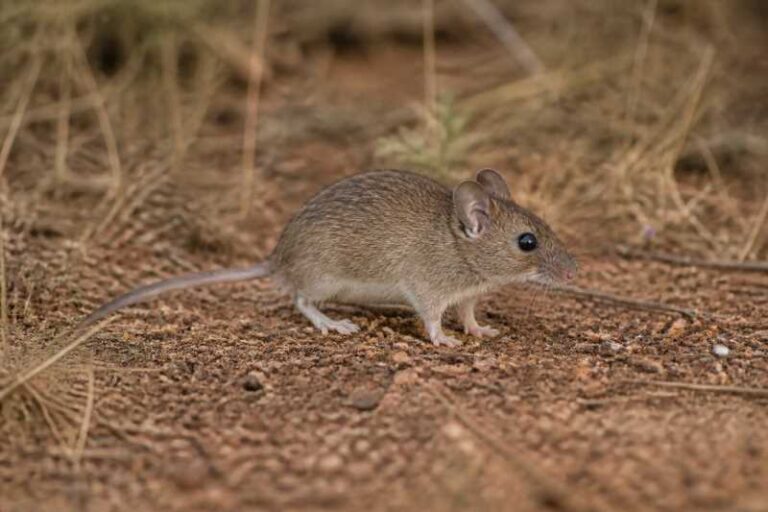
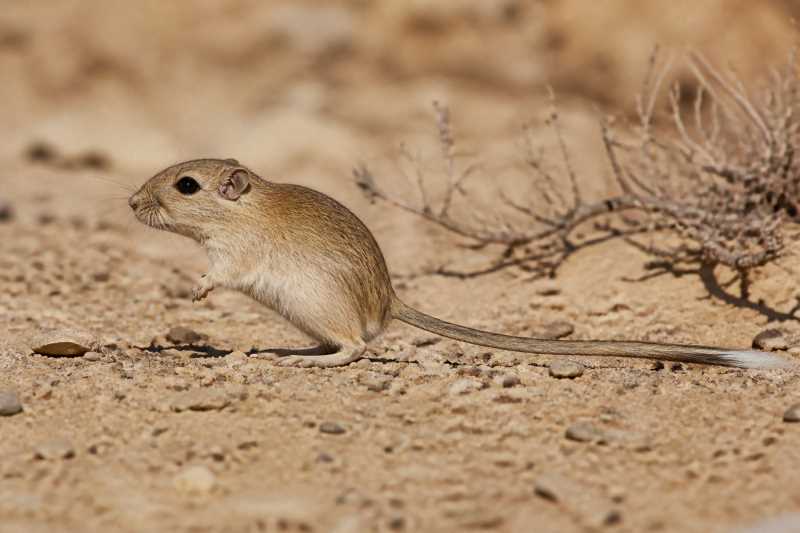
The Balochistan Gerbil is a small mammal characterized by its slender body and long tail, which is often longer than the head and body combined. Typically, adults weigh between 20 to 30 grams and measure approximately 100 to 120 mm in body length, with a tail length of about 130 to 150 mm. Their fur is soft and dense, usually sandy or grayish-brown on the dorsal side, providing camouflage in their natural habitat. The ventral side is lighter, often white or cream-colored. They have large, dark eyes adapted for nocturnal vision, and long hind legs that facilitate jumping and swift movement. Their ears are relatively large and rounded, aiding in acute hearing.
Range and Habitat
The Balochistan Gerbil is predominantly found in the arid and semi-arid regions of the Middle East and South Asia, including countries such as Pakistan, Iran, Oman, and Saudi Arabia. In Pakistan, they are primarily located in the province of Balochistan, which lends the species its common name. Their habitat includes sandy deserts, dry steppes, and rocky plains. These gerbils are well-adapted to environments with scarce vegetation, where they rely on their burrowing capabilities to escape the extreme temperatures and predation.
Balochistan Gerbils construct elaborate burrows with multiple entrances to maintain a stable microclimate and store food. These burrows provide protection against predators and harsh weather conditions. They prefer areas with sparse vegetation, which offers both cover from predators and a source of food.
Behavior and Diet
The Balochistan Gerbil is primarily nocturnal, becoming active during the cooler hours of the evening and night. Their activity is largely influenced by the temperature and availability of food. During the day, they remain in their burrows to avoid the extreme heat.
Their diet consists mainly of seeds, grains, and plant material, which they forage for during their nocturnal outings. They have a unique ability to extract water from their food, which is essential for survival in their arid environment. Occasionally, they may also consume insects and small invertebrates, providing them with necessary protein and moisture.
Socially, Balochistan Gerbils are solitary or live in small family groups. They communicate through a series of vocalizations and scent markings. Territorial behavior is common, especially among males, who use scent glands to mark their territories.
Identification Tips (Field Recognition Cues)
Identifying the Balochistan Gerbil in the field requires careful observation of several key characteristics:
- Size and Shape: Look for a small rodent with a slender body, long tail, and hind legs adapted for jumping.
- Coloration: Note the sandy or grayish-brown dorsal fur and white or cream ventral side.
- Tail: The tail is longer than the body, often with a tuft of hair at the end.
- Eyes and Ears: Large, dark eyes and rounded ears are prominent features.
- Behavior: They are typically seen during the night or early morning hours, often foraging or darting across open areas.
Conservation Status (with Threats and Protections)
The Balochistan Gerbil is currently not considered endangered and is listed as Least Concern by the International Union for Conservation of Nature (IUCN). However, like many desert-dwelling species, they face several threats that could impact their populations:
- Habitat Loss: Expansion of agriculture and urban development can lead to habitat destruction.
- Predation: Natural predators include birds of prey, snakes, and larger mammalian carnivores.
- Climate Change: Changes in temperature and rainfall patterns could affect the availability of food and water resources.
Conservation efforts include habitat protection and monitoring of populations to ensure their long-term survival. Protected areas and nature reserves often encompass their habitats, providing a refuge from human-induced threats.
Frequently Asked Questions
What is the lifespan of a Balochistan Gerbil?
In the wild, Balochistan Gerbils typically live for about 2 to 3 years. In captivity, with optimal care, they may live slightly longer.
How do Balochistan Gerbils adapt to their arid environment?
They have evolved to survive with minimal water intake by extracting moisture from their food and using their burrows to maintain a stable microclimate.
Are Balochistan Gerbils social animals?
While they are relatively solitary, they may live in small family groups. They communicate using vocalizations and scent marking.
What role do Balochistan Gerbils play in their ecosystem?
They contribute to seed dispersal and serve as prey for various predators, maintaining the ecological balance in their habitat.
Can Balochistan Gerbils be kept as pets?
While they are occasionally kept as pets, it is important to replicate their natural environment and provide suitable care to meet their specific needs.
Related posts