Introduction
The Merida Rice Rat, scientifically known as Nephelomys meridensis, is a fascinating rodent species native to South America. This nocturnal mammal is primarily found in the Andean regions of Venezuela and Colombia, inhabiting lush montane forests. Despite its name, the Merida Rice Rat is not directly associated with rice cultivation; rather, it is named after its geographical proximity to the city of Mérida, Venezuela. As a member of the Cricetidae family, this species is of particular interest to biologists and conservationists due to its limited range and ecological significance.
Physical Description
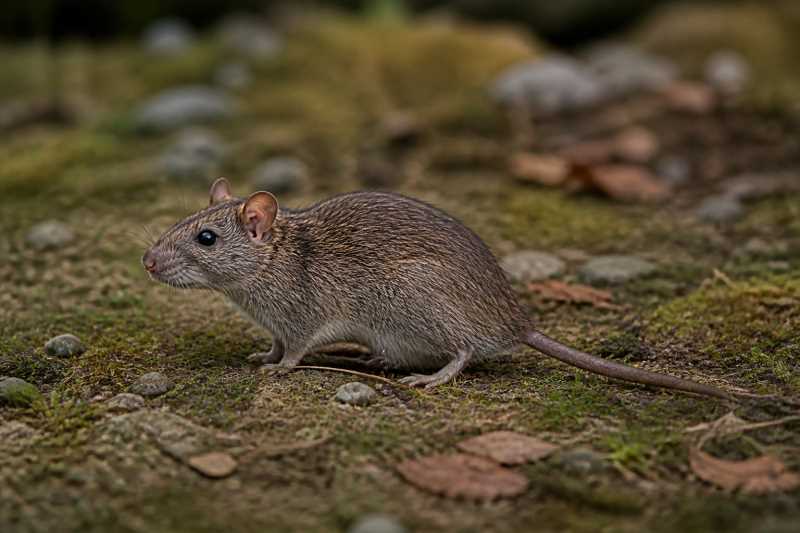
Nephelomys meridensis exhibits a distinctive appearance that aids in its identification. Adult Merida Rice Rats typically measure between 15 to 20 centimeters in body length, with a tail that is often equal to or slightly longer than the body. The species is characterized by its soft, dense fur, which varies in color from a rich brown on the dorsal side to a lighter, often whitish hue on the ventral side. The ears are moderately sized and covered with fine hair, providing a keen sense of hearing crucial for nighttime foraging. The whiskers are long and sensitive, assisting the rat in navigating its environment in low-light conditions.
The feet of the Merida Rice Rat are adapted for both climbing and digging, with sharp claws that provide traction on various surfaces. The tail is notably prehensile, giving the rat an enhanced ability to climb trees and shrubs in its montane forest habitat.
Range and Habitat
The Merida Rice Rat’s range is largely confined to the Andean mountains, particularly in the western regions of Venezuela and eastern Colombia. Its preferred habitat includes cloud forests and high-altitude woodlands, where it thrives in cool, moist environments. These areas are characterized by dense vegetation and a rich undergrowth of ferns, mosses, and other moisture-loving plants, providing ample cover and food resources.
The rat’s altitudinal range typically spans from 1,500 to 3,000 meters above sea level, although some populations have been observed at slightly lower elevations. The species’ habitat preference for remote and rugged terrain has contributed to its relative obscurity in scientific studies, as these areas are challenging to access and survey.
Behavior and Diet
Primarily nocturnal, the Merida Rice Rat spends its nights foraging for food and avoiding predators. Its diet is omnivorous, consisting of a variety of plant materials such as seeds, fruits, and leaves, as well as insects and small invertebrates. This dietary flexibility allows the species to adapt to seasonal variations in food availability.
Socially, the Merida Rice Rat is generally solitary, except during the breeding season when males and females come together to mate. Little is known about the specific mating behaviors of this species, but like many rodents, it is presumed to have a polygynous mating system. The species is known for its agility and climbing prowess, often using its prehensile tail to assist in navigating through the forest canopy.
Identification Tips
Field recognition of the Merida Rice Rat can be challenging due to its nocturnal habits and elusive nature. However, several key features can aid in its identification:
- Fur Coloration: Look for the characteristic brown upper body and whitish underbelly.
- Tail: Note the length of the tail, which is often equal to or longer than the body and has a prehensile quality.
- Size: Adult individuals range from 15 to 20 centimeters in body length.
- Ears and Whiskers: The moderately sized ears and long whiskers are distinctive features.
- Habitat: Sightings are more likely in high-altitude cloud forests and woodlands within its known range.
Conservation Status
The current conservation status of the Merida Rice Rat is not well-documented, largely due to the species’ limited range and the difficulty of conducting comprehensive surveys in its habitat. However, like many montane species, it is potentially vulnerable to habitat loss and climate change.
Threats: The primary threats to the Merida Rice Rat include deforestation for agriculture, logging, and human settlement expansion. Additionally, climate change poses a significant risk by altering the delicate balance of montane ecosystems, potentially reducing the availability of suitable habitats.
Protections: Conservation efforts for this species are not well-established, highlighting the need for increased research and habitat protection measures. Preserving the cloud forests and montane woodlands of the Andes is crucial for the survival of this species and the myriad other organisms that share its habitat.
Frequently Asked Questions
1. What does the Merida Rice Rat eat? The Merida Rice Rat has an omnivorous diet, feeding on seeds, fruits, leaves, insects, and small invertebrates.
2. Where is the Merida Rice Rat found? This species is found in the Andean regions of Venezuela and Colombia, particularly in cloud forests and high-altitude woodlands.
3. How can I identify a Merida Rice Rat in the wild? Look for its distinctive brown dorsal fur, whitish underbelly, long prehensile tail, and presence in montane forest habitats.
4. What are the main threats to the Merida Rice Rat? The main threats include habitat loss due to deforestation and climate change, which affects the availability of suitable environments.
5. Are there any conservation efforts for the Merida Rice Rat? Currently, specific conservation efforts are limited, but protecting its montane forest habitat is vital for its survival.
Related posts