Introduction
The Lesser Antillean Rice Rat, scientifically known as Antillomys rayi, is a remarkable rodent species native to the Lesser Antilles archipelago in the Caribbean. This species has intrigued researchers and conservationists due to its unique adaptations and ecological significance. Understanding the life and habits of the Lesser Antillean Rice Rat can provide insights into the rich biodiversity of island ecosystems and the challenges faced by endemic species in isolated environments.
Physical Description
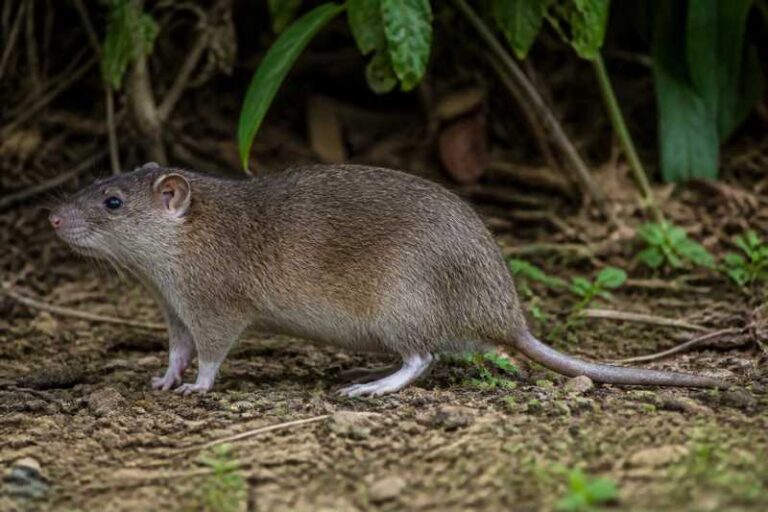
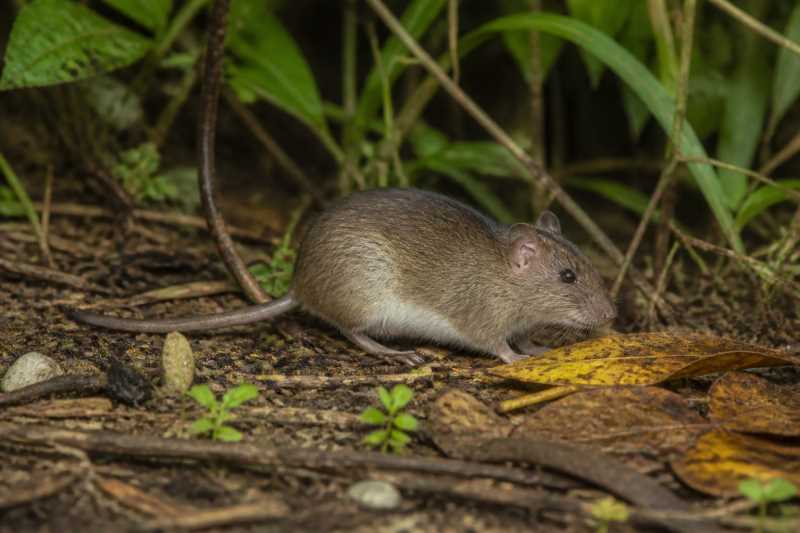
The Lesser Antillean Rice Rat is a small to medium-sized rodent, typically characterized by its sleek body and long tail. It has soft, dense fur that varies in color from brown to gray, providing camouflage in its natural habitat. The species exhibits sexual dimorphism, with males generally being slightly larger than females. Their eyes are large and round, adapted for nocturnal activity, and they possess sharp, chisel-like incisors ideal for gnawing.
The average body length of an adult Lesser Antillean Rice Rat ranges from 12 to 18 centimeters, with the tail adding an additional 10 to 15 centimeters. Their hind limbs are slightly longer than the front, aiding in their agility and ability to climb. This physical structure not only facilitates movement through dense underbrush but also assists in evading predators.
Range and Habitat
Historically, the Lesser Antillean Rice Rat inhabited a range of islands across the Lesser Antilles, including Guadeloupe, Dominica, and Martinique. These islands provide a diverse range of habitats, from coastal mangroves and wetlands to mountainous forests. The rice rat is highly adaptable, often found in areas with abundant vegetation that offers both food and shelter.
Unfortunately, the geographical range of the Lesser Antillean Rice Rat has significantly diminished due to human activities and introduced species. Their current distribution is fragmented, with populations primarily surviving in less disturbed areas, often within protected reserves or remote regions where human influence is minimal.
Behavior and Diet
The Lesser Antillean Rice Rat is predominantly nocturnal, foraging at night to avoid daytime predators. This behavior is also beneficial in the tropical climate, allowing them to remain active during cooler nighttime temperatures. Their social structure is not well-documented, but like many rodents, they are likely to have some level of social interaction, particularly during breeding seasons.
Their diet is omnivorous, consisting of seeds, fruits, insects, and small invertebrates. This dietary flexibility allows them to adapt to various environmental conditions and food availability. The abundance of fruit-bearing plants in their habitat plays a crucial role in their diet, supplementing their nutritional needs, especially during the wet season when plant productivity is high.
Identification Tips (Field Recognition Cues)
Identifying the Lesser Antillean Rice Rat in the field involves recognizing several key characteristics:
- Size and Shape: Look for a small to medium-sized rodent with a long, slender body and an equally long tail.
- Fur Color: Observe the fur coloration, which typically ranges from brown to gray, aiding in their camouflage.
- Activity Patterns: Note their nocturnal behavior; they are most active during the night and at dawn and dusk.
- Habitat: Focus on areas with dense vegetation, especially near water bodies where they often forage.
These cues can assist researchers and wildlife enthusiasts in distinguishing the Lesser Antillean Rice Rat from other similar species within the region.
Conservation Status (With Threats and Protections)
The Lesser Antillean Rice Rat is currently listed as Vulnerable by the International Union for Conservation of Nature (IUCN). This status reflects the species’ declining population and fragmented distribution due to several threats.
Threats
- Habitat Destruction: Urbanization, agriculture, and deforestation have significantly reduced their natural habitats.
- Introduced Species: The introduction of predators such as cats and mongooses has led to increased predation rates.
- Climate Change: Altered weather patterns and rising sea levels pose additional threats to their island habitats.
Protections
Conservation efforts are underway to protect the Lesser Antillean Rice Rat, focusing on habitat preservation and restoration. Protected areas have been established in some regions to safeguard remaining populations. Environmental education and awareness programs aim to reduce human impact and foster coexistence between humans and wildlife.
Frequently Asked Questions
Why is this species unique?
The Lesser Antillean Rice Rat is unique due to its adaptation to island life, including its nocturnal habits and dietary flexibility. These traits, along with its limited distribution, make it a fascinating subject for the study of island biodiversity and evolution.
What are the main threats to its survival?
The primary threats to the Lesser Antillean Rice Rat include habitat destruction, predation by invasive species, and the impacts of climate change. Conservation efforts are essential to mitigate these threats and preserve the species.
How can we help in its conservation?
Supporting conservation initiatives, promoting habitat preservation, and raising awareness about the importance of biodiversity can contribute significantly to the conservation of the Lesser Antillean Rice Rat.
Are there any ongoing conservation projects?
Yes, several conservation projects focus on habitat protection, research on population dynamics, and the control of invasive species to support the survival of the Lesser Antillean Rice Rat.
Related posts