Introduction
The Wide-rostrum Deermouse (Peromyscus latirostris) is a fascinating species within the diverse genus of Peromyscus, belonging to the family Cricetidae. Known for its distinctive broad snout, this small rodent is an integral component of the ecosystems it inhabits. Despite its relatively inconspicuous presence, the Wide-rostrum Deermouse plays a critical role in seed dispersal and serves as a prey species for a variety of predators. In this comprehensive article, we will explore the physical characteristics, habitat, behavior, and conservation status of this intriguing mammal, along with providing identification tips for enthusiasts and researchers alike.
Physical Description
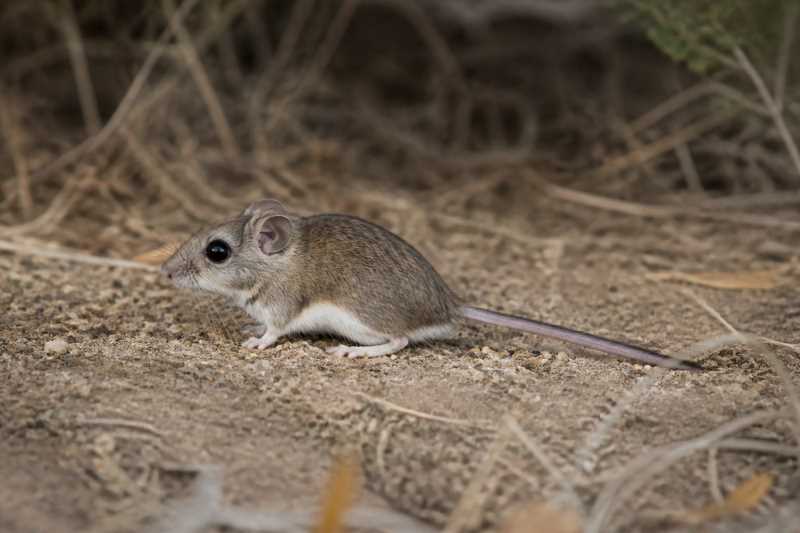
The Wide-rostrum Deermouse is aptly named for its wide and prominent snout, a feature that distinguishes it from other Peromyscus species. Generally, adults measure between 15 and 20 centimeters in total length, including their tail, which typically measures about 7 to 9 centimeters. They usually weigh between 20 to 30 grams.
The fur of the Wide-rostrum Deermouse is soft and dense, providing essential insulation. The dorsal coat ranges in color from grayish-brown to a more rusty or tawny hue, facilitating camouflage in its natural habitat. The ventral side is typically lighter, often a creamy white. These mice possess large, dark eyes that afford them excellent night vision, crucial for their nocturnal lifestyle. Their ears are relatively large and rounded, enhancing their auditory perception.
Range and Habitat
Peromyscus latirostris is primarily found in North America, with its range extending from the southwestern United States into parts of northern Mexico. It inhabits a variety of ecosystems, including arid deserts, scrublands, and open woodlands. The species is particularly associated with regions that provide ample ground cover, such as grasses and shrubs, which offer protection from predators and harsh environmental conditions.
The Wide-rostrum Deermouse is an adaptable species, capable of thriving in areas with significant temperature fluctuations. Its burrowing habits allow it to escape extreme heat during the day and conserve moisture, which is essential for survival in arid environments.
Behavior and Diet
The Wide-rostrum Deermouse is primarily nocturnal, engaging in most of its activities during the night. This behavior helps it avoid the extreme daytime temperatures of its desert habitats and reduces the risk of predation.
In terms of diet, the Wide-rostrum Deermouse is omnivorous, feeding on a variety of seeds, fruits, and insects. Its diet varies seasonally and is influenced by the availability of food resources. During the dry season, seeds and plant material form the bulk of its diet, while in wetter periods, insects and other invertebrates become more prominent.
Socially, these mice are relatively solitary, except during the breeding season, when males and females come together to mate. Females typically give birth to litters of 3 to 6 young after a gestation period of about 22 to 29 days. The young are altricial, meaning they are born blind and helpless, requiring maternal care for several weeks.
Identification Tips
Identifying the Wide-rostrum Deermouse in the field can be challenging due to its nocturnal nature and the existence of similar-looking species. However, several key characteristics can aid in its identification:
- Snout Shape: As the name suggests, the broad and distinctively shaped snout is a primary identifying feature.
- Size and Weight: Comparing the size and weight with similar species can be helpful. The Wide-rostrum Deermouse is moderate-sized for a deermouse, with a notably long tail.
- Fur Coloration: Pay attention to the grayish-brown to rusty coloration on the dorsal side and the contrasting lighter ventral side.
- Habitat: Observing the habitat can also provide clues, as they prefer areas with ample ground cover in arid or semi-arid environments.
- Behavior: Noticing nocturnal activity patterns can help distinguish it from diurnal species.
Conservation Status
The Wide-rostrum Deermouse is currently not listed as threatened or endangered. However, like many species, it faces threats from habitat loss, climate change, and human activities.
Threats
- Habitat Destruction: Urbanization and agricultural expansion lead to habitat fragmentation, which can isolate populations and reduce genetic diversity.
- Climate Change: Rising temperatures and changing precipitation patterns can alter the ecosystems that these mice depend on.
- Predation: Increased predator populations in fragmented habitats may also pose a threat.
Protections
Conservation efforts focus on preserving natural habitats and maintaining ecological corridors that allow for genetic exchange between populations. Protected areas and wildlife reserves play a crucial role in safeguarding these environments.
Frequently Asked Questions
1. What do Wide-rostrum Deermice eat?
Wide-rostrum Deermice are omnivorous, primarily consuming seeds, fruits, and insects. Their diet varies with the season and availability of resources.
2. How can I identify a Wide-rostrum Deermouse?
Look for its broad snout, moderate size, and the distinctive grayish-brown to rusty dorsal coloration with a lighter ventral side. Observing their nocturnal activity can also be helpful.
3. Where can I find Wide-rostrum Deermice in the wild?
They are found in the southwestern United States and parts of northern Mexico, inhabiting arid deserts, scrublands, and open woodlands with ample ground cover.
4. Are Wide-rostrum Deermice endangered?
Currently, the species is not listed as endangered, but habitat loss and climate change are ongoing concerns that could impact their populations.
5. What role do Wide-rostrum Deermice play in their ecosystem?
They play a crucial role in seed dispersal and serve as prey for various predators, contributing to the ecological balance in their habitats.
Related posts