Introduction
The Large Deermouse (Peromyscus grandis) is a fascinating mammal species that inhabits parts of Central America. Known for its adaptability and resilience, this species plays a vital role in its ecosystem. In this comprehensive article, we’ll delve into the various aspects of the Large Deermouse, including its physical characteristics, habitat, behavior, and more.
Physical Description
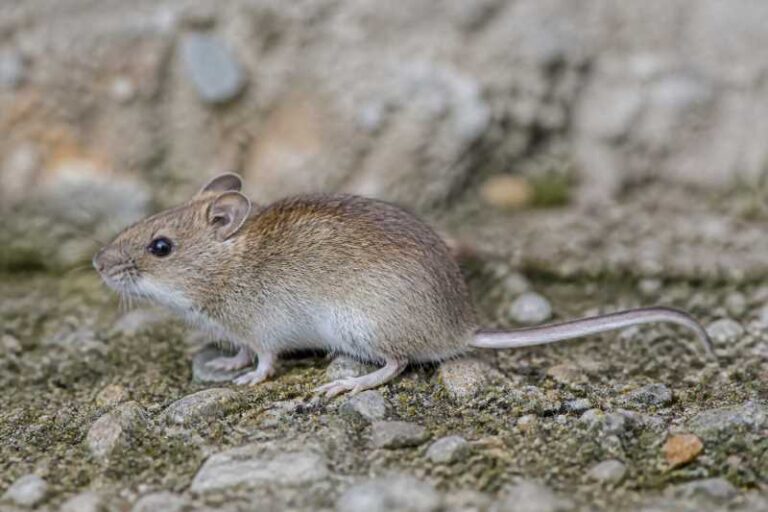
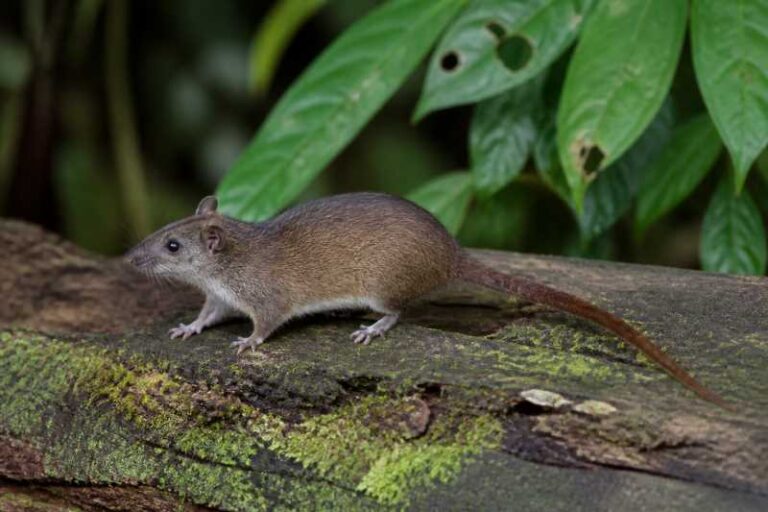
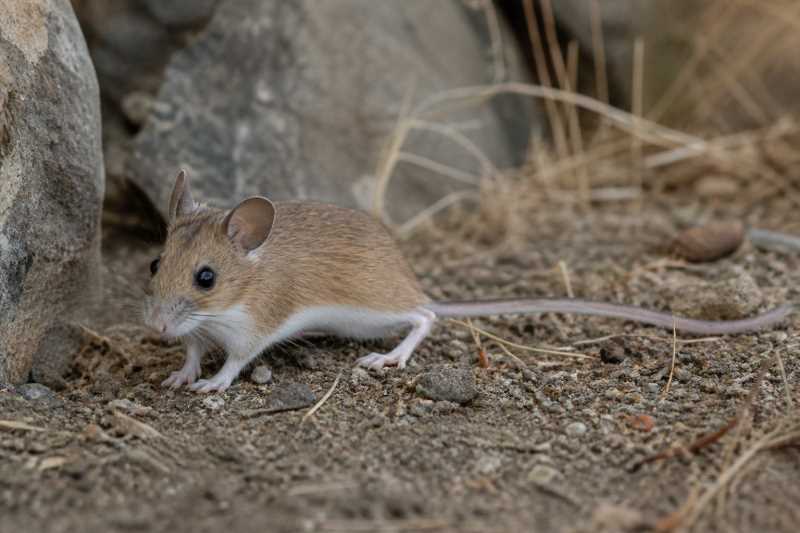
The Large Deermouse is aptly named for its relatively larger size compared to other species in the Peromyscus genus. Typically, adults measure between 18 to 22 centimeters in total length, which includes a tail length of approximately 9 to 12 centimeters. These nocturnal rodents have a distinctive appearance characterized by their long, sleek bodies, and large, protruding ears. Their fur is generally a grayish-brown with a lighter, often white, underbelly, a feature that aids in camouflage within its natural habitat.
The Large Deermouse also possesses sharp claws and a keen sense of hearing, adaptations that help it navigate its environment and evade predators. Its eyes are large and round, indicative of its nocturnal lifestyle, allowing it to see well in low-light conditions.
Range and Habitat
Native to Central America, the Large Deermouse is primarily found in the highland regions of Guatemala and Honduras. This species thrives in montane cloud forests, where the dense vegetation provides ample cover and food sources. The humid and cool climate of these regions suits the Large Deermouse, which has adapted to living in both primary and secondary forests.
Occasionally, the Large Deermouse can be found in agricultural areas adjacent to its natural habitat, where it takes advantage of the availability of food crops. This adaptability has enabled it to maintain stable populations despite changes in land use.
Behavior and Diet
The Large Deermouse is a nocturnal creature, most active during the night when it forages for food. Its diet is omnivorous, consisting of seeds, fruits, insects, and occasionally small invertebrates. This varied diet allows the deermouse to take advantage of seasonal food availability and maintain its energy levels.
Socially, the Large Deermouse is relatively solitary, although it may form loose associations during the breeding season, which typically occurs in the wetter months. These rodents are known for their territorial behavior, marking their areas with scent trails to deter intruders.
Identification Tips (field recognition cues)
For those interested in identifying the Large Deermouse in the field, there are several key features to look for:
- Size and Shape: Larger than other deermice, with a noticeable tail length that often matches or exceeds the body length.
- Fur Coloration: Grayish-brown dorsal fur with a contrasting white or cream underbelly.
- Ears and Eyes: Large, rounded ears and eyes well-suited for nocturnal activity.
- Behavior: Look for nocturnal activity and signs of seed or fruit foraging.
Conservation Status (with threats and protections)
The Large Deermouse is currently classified as "Least Concern" by the International Union for Conservation of Nature (IUCN). However, the species faces several threats, primarily due to habitat loss from deforestation and agricultural expansion. In some areas, logging activities have significantly reduced the available habitat, pushing populations into smaller, fragmented regions.
Conservation efforts are crucial for the continued survival of the Large Deermouse. Protecting its natural habitat through the establishment of protected areas and sustainable land-use practices can help mitigate these threats. Additionally, research and monitoring programs are essential to track population trends and inform conservation strategies.
Frequently Asked Questions
1. What do Large Deermice eat?
Large Deermice are omnivores, primarily feeding on seeds, fruits, and insects. They may also consume small invertebrates, depending on availability.
2. Where can I find the Large Deermouse?
This species is found in the highland regions of Guatemala and Honduras, particularly within montane cloud forests.
3. How does the Large Deermouse adapt to its environment?
The Large Deermouse has several adaptations, including nocturnal behavior, sharp claws for climbing, and excellent hearing to detect predators.
4. Is the Large Deermouse endangered?
Currently, the Large Deermouse is listed as "Least Concern" but faces threats from habitat loss due to deforestation.
5. How do I identify a Large Deermouse?
Look for its larger size compared to other deermice, grayish-brown fur, large ears, and nocturnal activity patterns.
Related posts