Common Vole (Microtus arvalis): An In-Depth Exploration
Introduction
The Common Vole, scientifically known as Microtus arvalis, is a small rodent that holds significant ecological importance across its expansive range. Known for its burrowing habits and rapid reproduction rates, the Common Vole is an integral part of the food web, serving as prey for a variety of predators. Despite its common name, this species is anything but ordinary, exhibiting a range of behaviors and adaptations that make it a fascinating subject of study for ecologists and enthusiasts alike. This article delves into the various aspects of the Common Vole’s life, including its physical description, habitat preferences, behavior, and conservation status.
Physical Description
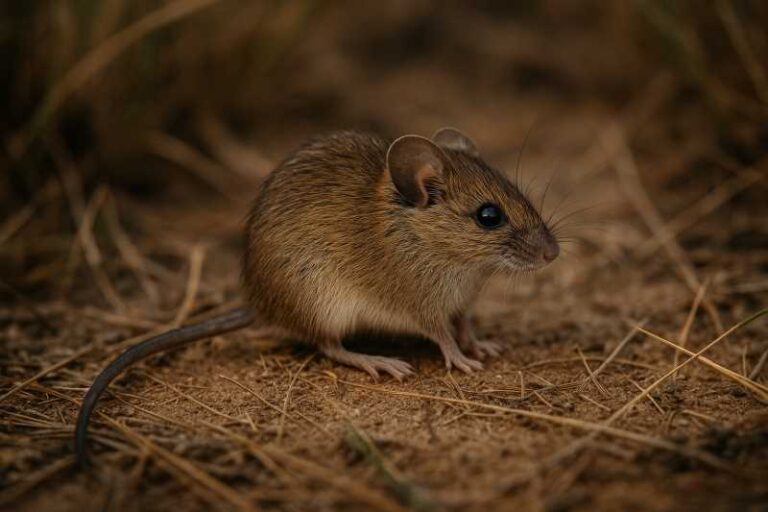
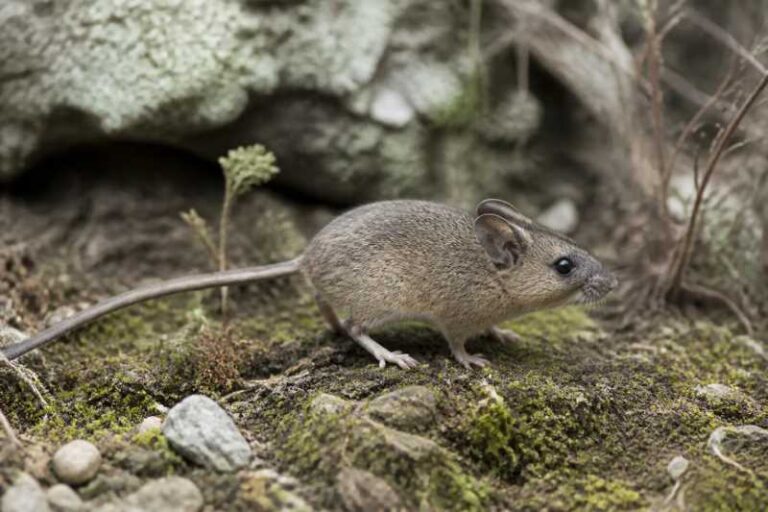
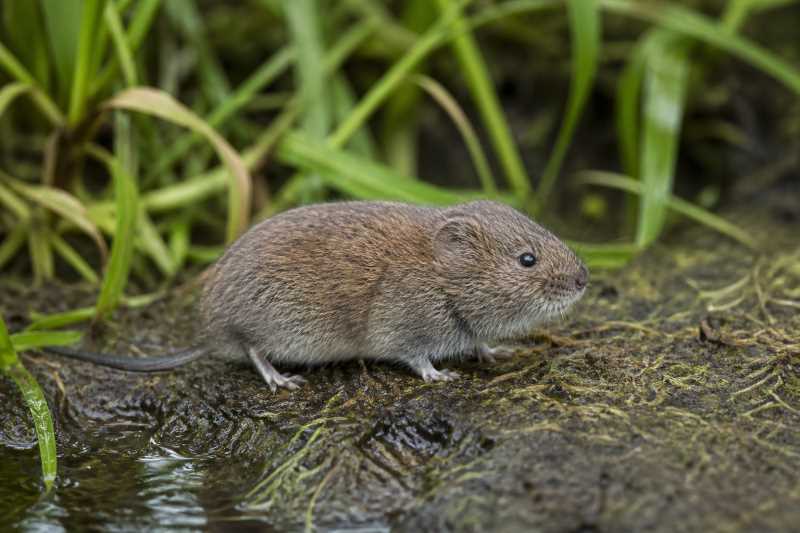
The Common Vole is a small, stocky rodent characterized by its compact, cylindrical body and short legs. Adult voles typically measure between 9 to 12 centimeters in length, not including the tail, which adds another 3 to 4 centimeters. They weigh between 20 to 50 grams, with males generally being slightly larger than females.
Their fur is dense and soft, providing excellent insulation against the cold. The dorsal side is usually a shade of brown or gray, which serves as effective camouflage in their natural environment, while the ventral side is lighter, often a creamy white or pale gray. The ears are small and partially hidden by fur, and their eyes are relatively small, adapted more for close-range vision.
A distinguishing feature of the Common Vole is its sharp, chisel-like incisors, which continuously grow throughout the animal’s life. This dental adaptation allows them to efficiently gnaw on vegetation and roots, which are crucial components of their diet.
Range and Habitat
The Common Vole is found across a vast range, extending from Western Europe through to Asia. Their habitat preferences are diverse, but they are most commonly found in grasslands, meadows, and agricultural fields. They thrive in areas with abundant ground cover, which provides protection from predators and harsh weather conditions.
In agricultural landscapes, voles can often be found in fields of cereals and other crops. They are also prevalent in areas with dense undergrowth and along the edges of forests. Their ability to adapt to different habitats is one of the reasons for their widespread distribution.
Voles are proficient burrowers, constructing extensive underground tunnel systems. These burrows provide shelter from predators and are used for nesting and storing food. The burrowing activity of voles plays a significant role in soil aeration, contributing to the health of their ecosystems.
Behavior and Diet
Common Voles are primarily diurnal, although they can also be active at night, especially during the warmer months. They are highly social creatures, often living in colonies that are connected through a complex network of burrows.
Their diet is herbivorous, consisting mainly of grasses, seeds, and roots. They have a particular preference for tender plants and can cause significant damage to agricultural crops, making them a pest in some regions. In the winter, when food is scarce, they rely on stored food reserves and the roots of plants.
Reproduction occurs rapidly in the Common Vole, with females capable of producing multiple litters each year. The gestation period is short, lasting around three weeks, and a single litter can comprise up to 10 young. This high reproductive rate is essential for maintaining population numbers given their role as prey for numerous predators, including birds of prey, foxes, and snakes.
Identification Tips
Identifying the Common Vole in the field can be challenging due to its resemblance to other small rodents. However, several characteristics can aid in recognition:
- Size and Shape: Look for a small, stout rodent with a short tail and a rounded body.
- Coloration: Note the brown or gray fur on the back with a lighter underside.
- Ears and Eyes: The ears are small and partially obscured by fur, while the eyes are comparatively small.
- Burrow Entrances: Presence of small, neat burrow entrances in grasslands or fields can indicate vole activity.
Observing these cues can help distinguish the Common Vole from similar species in its habitat.
Conservation Status
The Common Vole is currently listed as Least Concern by the International Union for Conservation of Nature (IUCN). This status reflects their widespread distribution and abundant population. However, certain threats do exist, particularly in localized regions.
Threats
- Habitat Loss: Agricultural expansion and urban development can lead to the loss of natural habitats.
- Pesticides: The use of rodenticides in agricultural areas poses a significant threat, as it not only reduces vole populations but also affects the predators that rely on them for food.
Protections
Efforts to conserve the Common Vole focus on habitat preservation and promoting agricultural practices that reduce pesticide use. Maintaining hedgerows and uncultivated margins in agricultural areas can provide essential habitats for voles and other wildlife.
Frequently Asked Questions
What is the lifespan of a Common Vole?
Common Voles typically live for about 3 to 12 months in the wild. Their lifespan is considerably shorter due to predation and environmental factors. However, in captivity, they can live up to 18 months.
How do Common Voles reproduce?
Common Voles reproduce rapidly, with females capable of having 5 to 7 litters per year. Each litter can have 3 to 10 young. Their gestation period is approximately 21 days, and young voles are weaned at around 14 days old.
Are Common Voles dangerous to humans?
Common Voles are not dangerous to humans. They do not pose any direct threat as they are not aggressive and do not carry diseases that are easily transmitted to humans. However, they can cause damage to crops and gardens.
How can you control Common Vole populations?
Controlling Common Vole populations involves habitat management, such as removing ground cover and using barriers to protect plants. Biological control methods, like encouraging natural predators, can also be effective.
Why are Common Voles important to the ecosystem?
Common Voles play a crucial role in ecosystems as prey for various predators. Their burrowing activities also help with soil aeration and nutrient cycling, which benefits plant growth.
Related posts