Introduction
The Terskey Birch Mouse, scientifically known as Sicista terskeica, is a small, elusive rodent that belongs to the family Dipodidae. This species, often overshadowed by its more widely recognized relatives, plays a significant role in its native ecosystems. Native to the high-altitude regions of Kyrgyzstan, the Terskey Birch Mouse is named after the Terskey Alatau mountain range where it was first discovered. Its unique adaptations to its specific habitat make it a fascinating subject for ecological and zoological studies.
Despite its importance, much about the Terskey Birch Mouse remains understudied, primarily due to its cryptic nature and the challenging terrain of its habitat. However, with increasing interest in biodiversity conservation, there is a growing body of research dedicated to understanding this species’ ecology, behavior, and conservation needs.
Physical Description
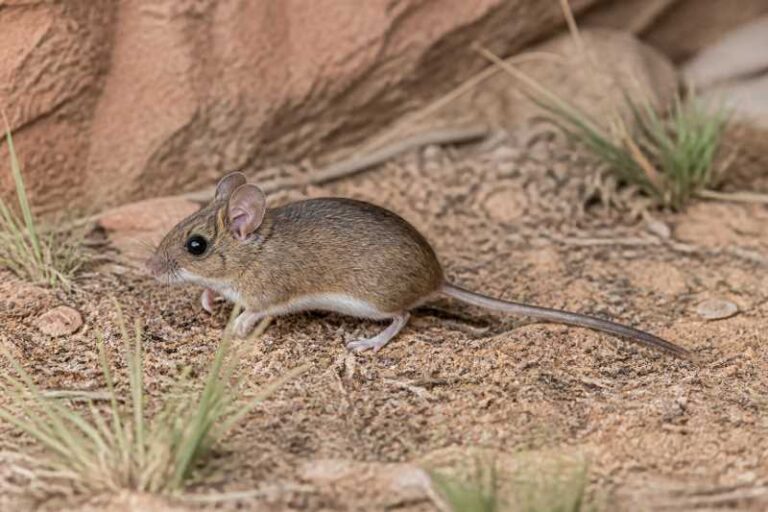
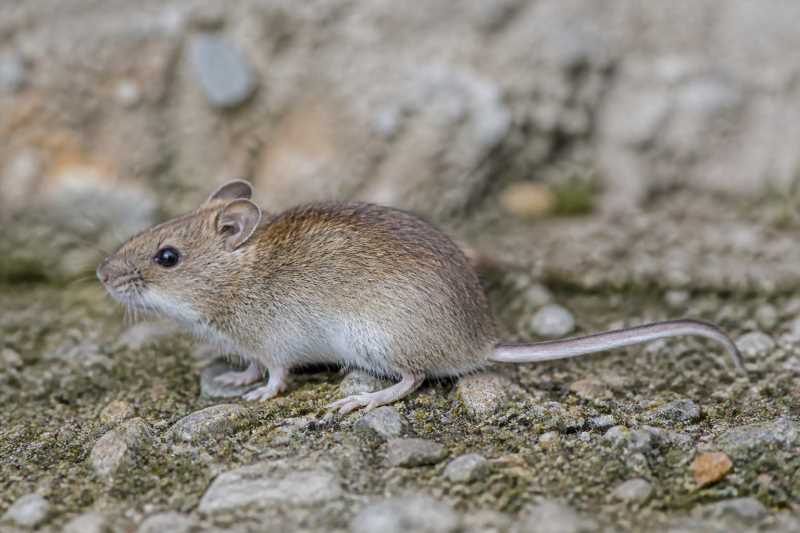
The Terskey Birch Mouse is diminutive in size, with adults typically measuring between 8 to 10 centimeters in body length, not including the tail, which adds another 9 to 11 centimeters. Its weight ranges from 10 to 15 grams, making it one of the smaller members of the Dipodidae family.
This mouse is characterized by its strikingly long tail, which is often longer than its body. The tail is covered with fine hair, providing it with tactile sensitivity that aids in navigation through its mountainous habitat. Its fur is dense and soft, with a coloration that generally blends well with its surroundings. The dorsal side is usually a brownish-grey, while the ventral side is lighter, often a creamy white or pale grey.
One of the most distinctive features of the Terskey Birch Mouse is its elongated hind limbs, adapted for jumping, much like its relative, the kangaroo rat. Its forelimbs are shorter, making it efficient in short bursts of movement and hopping through its environment.
Range and Habitat
The Terskey Birch Mouse is endemic to the Terskey Alatau region in Kyrgyzstan, a part of the Tian Shan mountain range. This area is characterized by its high-altitude environment, with elevations ranging from 2,000 to 3,500 meters above sea level. The region experiences a cold climate with significant snowfall during the winter months.
The habitat of the Terskey Birch Mouse consists primarily of alpine meadows, subalpine forests, and areas with dense shrubbery. These environments provide ample cover and food resources, crucial for the survival of this small mammal. The mouse is particularly adapted to cold environments, with its thick fur providing necessary insulation.
Behavior and Diet
The Terskey Birch Mouse is a nocturnal creature, most active during the night when it forages for food. Its diet primarily consists of seeds, berries, and insects, making it an omnivore. The availability of food sources in its habitat plays a crucial role in its daily and seasonal movements.
This species is solitary, with individuals maintaining territories that they defend from intruders. During the breeding season, which occurs in late spring to early summer, males and females come together briefly for mating. The gestation period is relatively short, and females typically give birth to litters of 2 to 5 young.
In terms of behavior, the Terskey Birch Mouse exhibits a keen sense of hearing and smell, vital for detecting predators and locating food in the dark. Its long tail aids in balance and agility, allowing it to navigate through its rocky and uneven habitat efficiently.
Identification Tips
Identifying the Terskey Birch Mouse in the field can be challenging due to its elusive nature and habitat preferences. However, there are several key characteristics to look for:
- Size and Shape: Look for a small rodent with a body length of 8 to 10 cm and a tail length of 9 to 11 cm. The elongated hind limbs are distinctive.
- Fur and Coloration: Note the dense, soft fur with a brownish-grey dorsal side and a lighter ventral side.
- Tail: The tail is significantly longer than the body and covered in fine hair.
- Habitat: Focus on high-altitude areas with alpine meadows and subalpine forests.
- Behavior: Nocturnal activity patterns and solitary behavior can help in identifying this species.
Conservation Status
The Terskey Birch Mouse is currently classified as "Data Deficient" by the International Union for Conservation of Nature (IUCN). This classification indicates that there is insufficient information available to make a direct, or indirect, assessment of its risk of extinction.
Threats to the Terskey Birch Mouse include habitat loss due to human activities such as agriculture and development, climate change, and predation by domestic animals. The limited range of this species makes it particularly vulnerable to environmental changes.
Conservation efforts for the Terskey Birch Mouse are focused on habitat protection and management. There is a need for more research to understand its ecology and population dynamics better. Efforts to designate protected areas within its habitat range could significantly benefit the conservation of this species.
Frequently Asked Questions
What is the Terskey Birch Mouse’s primary habitat?
The Terskey Birch Mouse primarily inhabits high-altitude alpine meadows and subalpine forests in the Terskey Alatau region of Kyrgyzstan.
Is the Terskey Birch Mouse endangered?
Currently, the Terskey Birch Mouse is classified as "Data Deficient" by the IUCN, indicating that more research is needed to determine its conservation status accurately.
How does the Terskey Birch Mouse adapt to its environment?
The Terskey Birch Mouse has adapted to its cold, high-altitude environment with dense fur for insulation, elongated hind legs for jumping, and a long tail for balance.
What do Terskey Birch Mice eat?
The diet of the Terskey Birch Mouse consists of seeds, berries, and insects, making it an omnivore.
How can one identify a Terskey Birch Mouse?
Key identification features include its small size, long tail, dense fur coloration, and its nocturnal and solitary behavior patterns.
Related posts