San Joaquin Pocket Mouse (Perognathus inornatus)
Introduction
The San Joaquin Pocket Mouse (Perognathus inornatus) is a small rodent species native to California’s San Joaquin Valley and its surrounding areas. Known for its distinctive cheek pouches, which it uses to transport and store food, this diminutive creature is an important part of its ecosystem. It plays a crucial role in seed dispersal and soil aeration, contributing significantly to the health of the grassland habitats it inhabits. Understanding the biology and ecology of the San Joaquin Pocket Mouse is essential for its conservation, given the increasing threats from habitat loss and climate change.
Physical Description
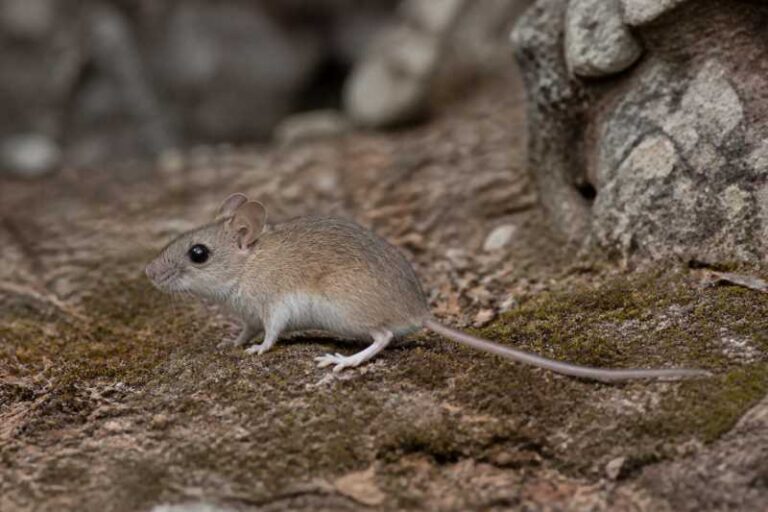
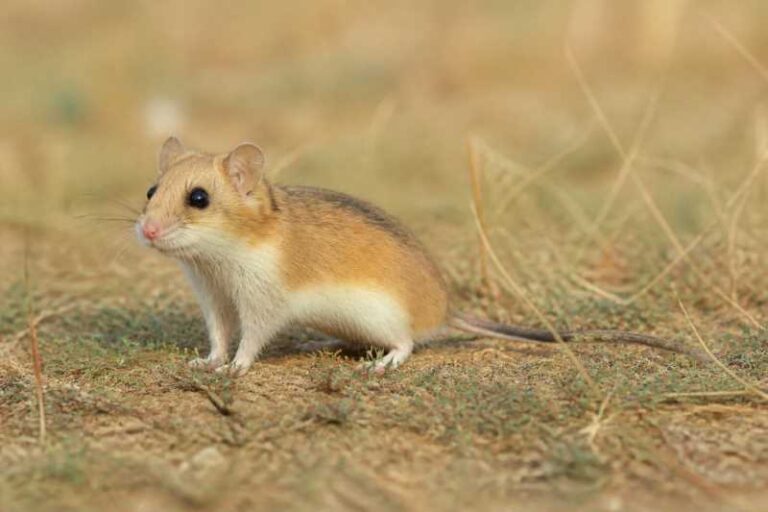
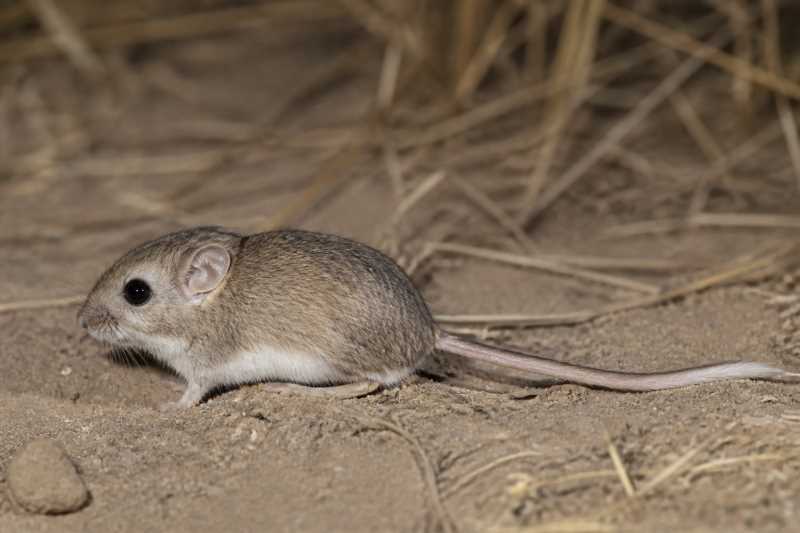
The San Joaquin Pocket Mouse is one of the smaller members of the family Heteromyidae, measuring about 4 to 7 inches (10 to 18 centimeters) in total length, including its tail, which is nearly as long as its body. Weighing between 0.2 to 0.5 ounces (6 to 15 grams), this pocket mouse is characterized by its soft, fine fur, which ranges in color from pale tan to brownish-gray, providing excellent camouflage against the sandy soils of its habitat.
The mouse’s most distinctive feature is its cheek pouches, which are fur-lined and open externally. These pouches are used to carry seeds and other food items back to its burrow. Its large hind legs and feet are adapted for hopping, a behavior that aids in quick escapes from predators.
Range and Habitat
The San Joaquin Pocket Mouse is primarily found in the San Joaquin Valley in California, but its range extends into parts of the adjacent foothills and valleys. This region is characterized by arid and semi-arid climates with hot, dry summers and mild, wet winters.
The mouse prefers open grassland and scrub habitats with sandy or loose soils, which are ideal for burrow construction. These habitats provide the cover and food resources necessary for its survival. However, agricultural development, urbanization, and industrial activities have significantly reduced the available natural habitat, leading to fragmented populations.
Behavior and Diet
The San Joaquin Pocket Mouse is primarily nocturnal, spending the majority of the day within its burrow to avoid the heat and predation. It emerges at night to forage for food, predominantly seeds, which form the bulk of its diet. The mouse is known to consume seeds from a variety of plants, such as grasses and forbs, and has been observed eating insects when seeds are scarce.
The species is solitary and territorial, with each individual maintaining its own burrow system. These burrows provide protection from predators and extreme temperatures. The mouse is also known for its ability to enter torpor, a state of decreased physiological activity, to conserve energy during periods of food scarcity or extreme weather conditions.
Identification Tips (Field Recognition Cues)
Identifying the San Joaquin Pocket Mouse in the field can be challenging due to its small size and nocturnal habits. However, there are several cues that can help:
- Size and Shape: Look for a small rodent with a slender body and a long tail, which is often used for balance.
- Fur Coloration: Note the tan to brownish-gray fur, which blends well with sandy environments.
- Cheek Pouches: The presence of external cheek pouches is a key distinguishing feature.
- Behavior: Observe the hopping locomotion and nocturnal activity patterns.
Conservation Status (with Threats and Protections)
The San Joaquin Pocket Mouse faces a number of threats that have contributed to its declining population. Habitat loss due to agricultural expansion, urban development, and industrial activities has significantly reduced its natural range. Furthermore, climate change poses additional challenges, altering the availability of food resources and suitable habitats.
Currently, the San Joaquin Pocket Mouse is not listed as endangered, but it is considered a species of special concern by conservation organizations. Efforts to protect and restore its habitat are crucial for its long-term survival. Conservation measures include habitat preservation, restoration projects, and research to better understand its ecology and adapt conservation strategies accordingly.
Frequently Asked Questions
What is the primary diet of the San Joaquin Pocket Mouse?
The San Joaquin Pocket Mouse primarily feeds on seeds from grasses and forbs. It occasionally consumes insects, particularly when seeds are scarce. The mouse uses its cheek pouches to transport and store food.
How does the San Joaquin Pocket Mouse contribute to its ecosystem?
This pocket mouse is vital for seed dispersal, which promotes plant diversity and regeneration. Its burrowing activities also help aerate the soil, enhancing nutrient cycling and water infiltration.
What are the main threats to the San Joaquin Pocket Mouse?
The primary threats include habitat loss due to agricultural and urban development, as well as climate change impacts. Conservation efforts focus on habitat protection and restoration.
How can I identify a San Joaquin Pocket Mouse in the wild?
Look for a small rodent with a slender body, long tail, tan to brownish-gray fur, and external cheek pouches. Its hopping movement and nocturnal habits are also key identification traits.
Is the San Joaquin Pocket Mouse endangered?
While not currently listed as endangered, the San Joaquin Pocket Mouse is considered a species of special concern due to its declining population and habitat loss. Conservation efforts aim to address these challenges.
Related posts