Introduction
The Dark-colored Brush-furred Rat, scientifically known as Lophuromys aquilus, belongs to the family Muridae, which encompasses a diverse group of rodents. These intriguing creatures are known for their unique adaptations and play a crucial role in their ecosystem. This article delves into various aspects of their life, including their physical description, habitat, behavior, and conservation status.
Physical Description
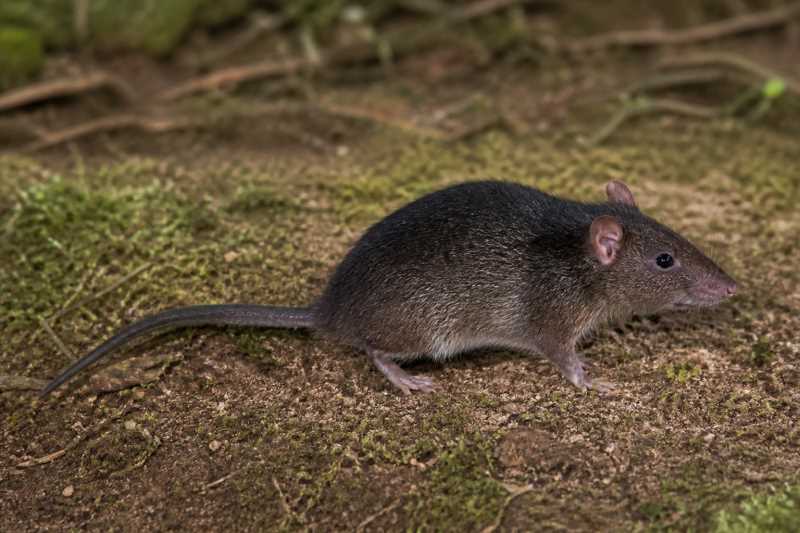
The Dark-colored Brush-furred Rat is a medium-sized rodent characterized by its dense and bristly fur. The fur’s coloration ranges from dark brown to almost black, which provides excellent camouflage in its natural habitat. The rat’s body length typically measures between 12 to 18 centimeters, with a tail length of approximately 8 to 12 centimeters. Their tails are notably shorter than their bodies, which is a distinguishing feature compared to other rodents.
Their robust body structure is supported by strong limbs, and they have sharp claws that facilitate efficient digging and climbing. The ears of the Dark-colored Brush-furred Rat are small and rounded, while their eyes are large and adapted for low-light conditions, aiding in nocturnal activities.
Range and Habitat
Lophuromys aquilus is predominantly found in the tropical and subtropical regions of Africa. Their range spreads across countries such as Uganda, the Democratic Republic of Congo, and parts of Kenya and Tanzania. These rats thrive in a variety of habitats, including moist lowland forests, montane forests, and grasslands.
They are typically associated with areas that have dense underbrush and ample ground cover, which provide both food resources and protection from predators. The rats are also known to inhabit agricultural areas, where they may come into conflict with human activities.
Behavior and Diet
Dark-colored Brush-furred Rats are primarily nocturnal, spending their nights foraging for food and their days resting. Their diet is omnivorous, consisting of a variety of plant materials, seeds, fruits, and small invertebrates. This diverse diet allows them to adapt to different environmental conditions and food availability.
These rats are solitary creatures, with each individual maintaining its own territory. They communicate through a series of vocalizations and scent markings, which help in deterring intruders and attracting mates during the breeding season. Breeding occurs throughout the year, with females giving birth to litters of two to four young after a gestation period of approximately 30 days.
Identification Tips (Field Recognition Cues)
Identifying the Dark-colored Brush-furred Rat in the field can be challenging due to its nocturnal habits and elusive nature. However, several features can aid in its identification:
- Fur Texture and Color: Look for their distinctive dark, brush-like fur that appears almost black in low light.
- Tail Length: Note the relatively short tail compared to the body length, which is unusual for rodents in their range.
- Ear Size: Their small, rounded ears are less prominent than those of other rat species.
- Habitat: Check areas with dense underbrush and ground cover in tropical forests or grasslands.
- Nocturnal Activity: Be aware that they are most active at night, which is the best time for observation.
Conservation Status (with Threats and Protections)
The conservation status of the Dark-colored Brush-furred Rat is currently listed as Least Concern by the International Union for Conservation of Nature (IUCN). Despite this, they face several threats that could impact their populations in the future.
Threats
- Habitat Destruction: Deforestation and agricultural expansion are significant threats, leading to habitat loss and fragmentation.
- Human Conflict: As agricultural pests, they are at risk of persecution by farmers.
- Predation: Natural predators include birds of prey and larger mammals.
Protections
- Protected Areas: Some populations are found within protected national parks and reserves, which offer some level of habitat conservation.
- Research and Monitoring: Continued research and population monitoring are essential for understanding their ecology and implementing effective conservation strategies.
Frequently Asked Questions
What do Dark-colored Brush-furred Rats eat?
Dark-colored Brush-furred Rats have an omnivorous diet, including seeds, fruits, plant materials, and small invertebrates, allowing them to adapt to various environments.
Where can I find Dark-colored Brush-furred Rats?
These rats are found in tropical and subtropical regions of Africa, particularly in Uganda, the Democratic Republic of Congo, Kenya, and Tanzania, often in forests and grasslands.
How do Dark-colored Brush-furred Rats communicate?
They communicate through vocalizations and scent markings to establish territory, deter intruders, and attract mates, especially during the breeding season.
Are Dark-colored Brush-furred Rats endangered?
Currently, they are listed as Least Concern, but they face threats such as habitat destruction and conflict with humans, which could impact their populations.
What is the breeding behavior of Dark-colored Brush-furred Rats?
Breeding occurs year-round, with females birthing litters of two to four young after a gestation period of about 30 days.
Related posts