Introduction
The Crab-eating Raccoon, scientifically known as Procyon cancrivorus, is a fascinating mammal species belonging to the Procyonidae family. Known for its distinctive feeding habits, this species has adapted to a diverse range of environments across the Americas. Despite its name, the Crab-eating Raccoon has a varied diet that extends far beyond crabs. This article explores the intriguing aspects of this unique creature, covering its physical characteristics, habitat preferences, behaviors, and conservation status, offering an in-depth understanding of Procyon cancrivorus.
Physical Description
The Crab-eating Raccoon is similar in appearance to the more commonly known North American Raccoon (Procyon lotor), yet it exhibits several distinguishing features. On average, an adult Crab-eating Raccoon measures between 50 and 65 centimeters in body length, with a tail adding another 25 to 40 centimeters. Their weight typically ranges from 5 to 12 kilograms, with males generally being larger than females.
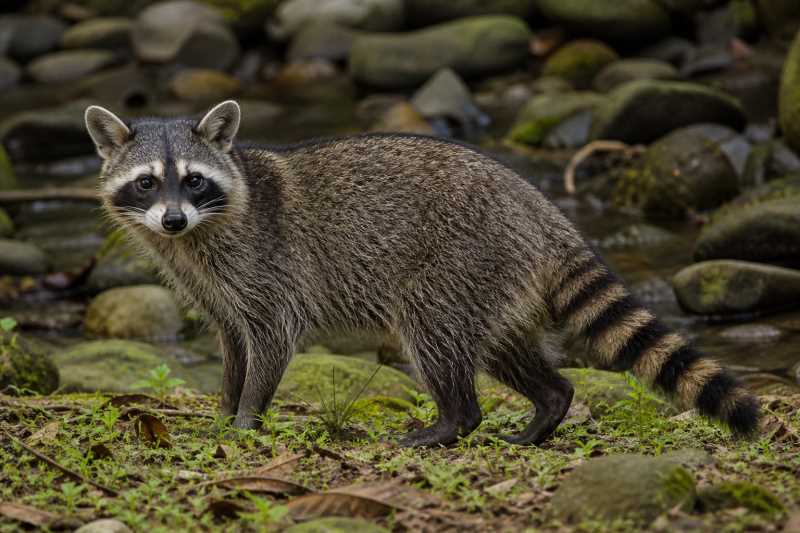
Dressed in a coat of dense fur, the Crab-eating Raccoon sports a predominantly grayish-brown coloration, with a slightly lighter underside. The fur is coarse and water-repellent, aiding in their semi-aquatic lifestyle. One of the most notable features is their facial mask—a characteristic black and white pattern around the eyes that aids in reducing glare and camouflaging them in the underbrush.
Their limbs are short but strong, equipped with dexterous forepaws that resemble human hands. These paws are instrumental in foraging, allowing them to grasp and manipulate food items with precision. The tail is bushy, marked with characteristic rings, and serves as a balance aid when navigating through their arboreal and terrestrial habitats.
Range and Habitat
The Crab-eating Raccoon inhabits a broad geographical range spanning Central and South America. Their range extends from southern Mexico through Central America and into countries such as Brazil, Peru, and Argentina. They thrive in diverse ecosystems, although they show a marked preference for areas in close proximity to water bodies.
These raccoons are often found in tropical and subtropical forests, mangroves, and wetlands. Their affinity for aquatic environments is due to their diet, which prominently includes aquatic animals. Consequently, they are seldom found far from rivers, streams, or coastal regions. However, their adaptability is evident as they can also be found in dry forests and even savannas, provided there is a reliable water source nearby.
Behavior and Diet
The behavior of the Crab-eating Raccoon is a fascinating aspect of its ecology. Primarily nocturnal, these raccoons are most active during the night, utilizing their keen sense of touch and acute hearing to forage. They are solitary animals, with individuals occupying overlapping home ranges that can vary in size based on the abundance of food resources.
As their name suggests, crab-eating raccoons have a penchant for crustaceans, especially crabs, which they skillfully extract from their shells using their nimble forepaws. However, their diet is omnivorous and highly varied, including fish, amphibians, insects, fruits, and seeds. This dietary flexibility allows them to thrive in various environments, adapting to the seasonal availability of food.
Their foraging strategy is both opportunistic and strategic, often involving the washing of food items in water. This behavior, while not fully understood, might play a role in cleaning the food or could be a tactile process that enhances their sensory perception.
Identification Tips
Identifying a Crab-eating Raccoon in the field requires attention to specific physical and behavioral traits. Key identification tips include:
- Facial Mask: Look for the distinctive black-and-white mask around the eyes, a notable feature that differentiates them from other similar-sized mammals.
- Tail Markings: Observe the tail for its bushy texture and ringed pattern, which is characteristic of the Procyonidae family.
- Habitat: Spot them near water bodies, especially if you are in tropical or subtropical regions.
- Nocturnal Behavior: If you are observing wildlife at night, note any small to medium-sized mammals displaying a crab-eating behavior.
Conservation Status
The conservation status of the Crab-eating Raccoon currently lists them as a species of Least Concern according to the International Union for Conservation of Nature (IUCN). However, they face several threats that could impact their populations if not managed effectively.
Threats:
- Habitat Destruction: Deforestation and wetland drainage for agriculture and urban development are significant threats, leading to habitat loss and fragmentation.
- Pollution: Water pollution from agricultural runoff and industrial activities can degrade their aquatic habitats, affecting food sources.
- Hunting and Trapping: In some regions, they are hunted for their fur or as a food source.
Protections:
- Conservation Areas: Many Crab-eating Raccoons reside within protected national parks and reserves, offering some level of habitat conservation.
- Environmental Regulations: Efforts to reduce deforestation and pollution can indirectly benefit their populations.
Monitoring and research are crucial to ensure that their populations remain stable, allowing them to continue playing their ecological role in their native habitats.
Frequently Asked Questions
What do Crab-eating Raccoons eat besides crabs?
Crab-eating Raccoons have an omnivorous diet that includes crabs, fish, amphibians, insects, fruits, and seeds. Their dietary flexibility helps them adapt to various environments.
Where can Crab-eating Raccoons be found?
They are found in Central and South America, from southern Mexico to Argentina, often near water bodies like rivers, streams, and coastal areas.
How do Crab-eating Raccoons behave at night?
Primarily nocturnal, they are active at night, foraging for food using their keen sense of touch and hearing. They are solitary animals with overlapping home ranges.
Are Crab-eating Raccoons endangered?
Currently, they are listed as Least Concern by the IUCN. However, they face threats from habitat destruction, pollution, and hunting, which could affect their populations in the future.
How can one identify a Crab-eating Raccoon?
Look for their distinctive facial mask, ringed tail, and presence near water bodies. They are medium-sized mammals with nocturnal and solitary habits.
Related posts