Introduction
The Camas Pocket Gopher, scientifically known as Megascapheus bulbivorus, is a fascinating mammal species native to North America. This species of pocket gopher, part of the Geomyidae family, is known for its burrowing habits and ecological significance in its native habitat. As an integral component of the ecosystem, the Camas Pocket Gopher plays a crucial role in soil aeration and nutrient cycling. Despite its importance, this species remains relatively unknown to the general public, making it a compelling subject for further study and conservation efforts.
Physical Description
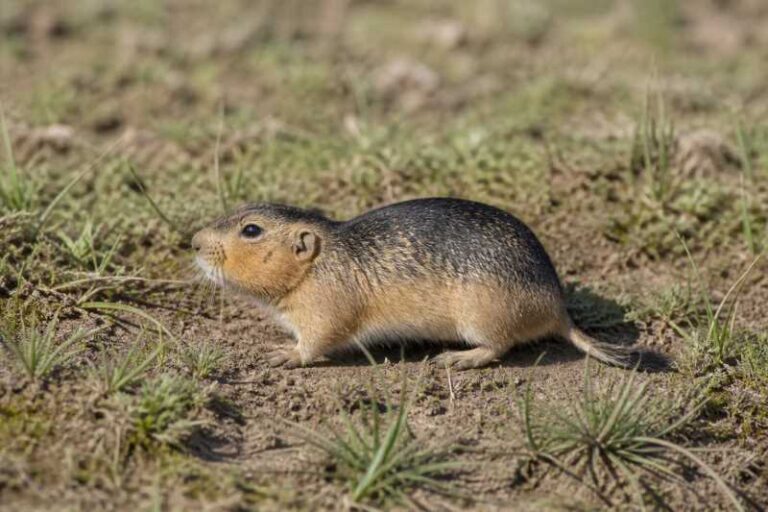
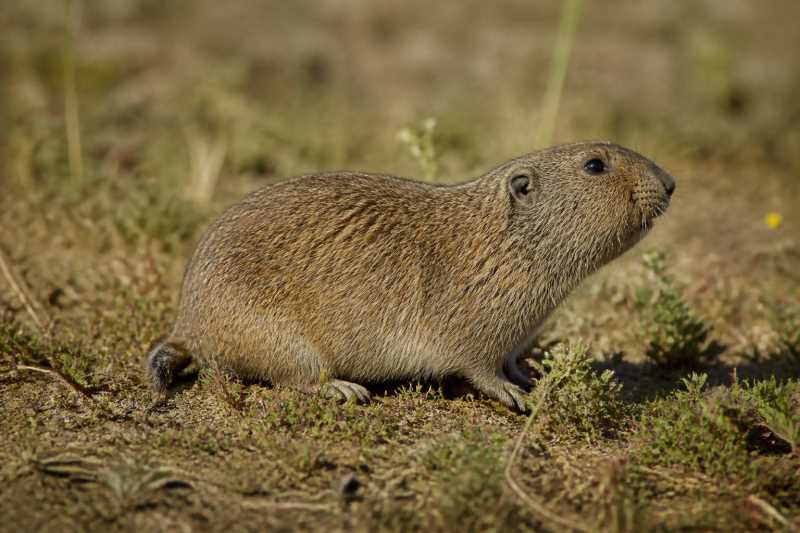
The Camas Pocket Gopher is characterized by its robust body, adapted for a subterranean lifestyle. Adult gophers typically measure between 230 to 300 millimeters in length, with males generally larger than females. They possess a distinctively compact body with short limbs and a tail that measures around 75 millimeters. Their fur is dense and soft, typically presenting a brownish-gray hue that provides effective camouflage against the soil.
One of the hallmark features of the Camas Pocket Gopher is its large, strong forelimbs equipped with long claws, perfectly adapted for digging. Their eyes and ears are small, reflecting their underground existence. Additionally, they have external fur-lined cheek pouches, or pockets, which they use to transport food and nesting materials.
Range and Habitat
The Camas Pocket Gopher is predominantly found in the Pacific Northwest, with its range primarily extending through western Oregon. They inhabit lowland areas, particularly favoring prairies and grasslands with deep, loose, and well-drained soils that facilitate burrowing.
These gophers thrive in areas with abundant vegetation, which provides both food and cover from predators. However, human activities such as agriculture and urban development have significantly impacted their natural habitats, leading to fragmented populations.
Behavior and Diet
Camas Pocket Gophers are solitary and territorial creatures, with each individual maintaining its own extensive burrow system. These burrows serve as protection from predators and harsh weather conditions, as well as a storage space for food. Burrows can be quite complex, featuring multiple chambers and tunnels that can extend up to 200 meters in length.
Their diet primarily consists of roots, tubers, and bulbs, with a particular preference for camas bulbs, which are abundant in their native habitat. They are also known to consume grasses, forbs, and seeds. The gophers’ foraging behavior contributes significantly to soil turnover and nutrient distribution, benefiting the surrounding plant community.
Identification Tips
Identifying a Camas Pocket Gopher in the field can be challenging due to their subterranean lifestyle. However, there are several cues that can aid in recognition:
- Mounds: Look for distinctive, fan-shaped mounds of soil that they create while excavating their burrows. These mounds often have a plug at one end, marking the entrance to the tunnel.
- Vegetation Disturbance: Areas with visibly disturbed vegetation and uprooted plants may indicate gopher activity.
- Cheek Pouch Examination: If observing a captured specimen, check for the characteristic external cheek pouches which are unique among gophers.
Conservation Status
The conservation status of the Camas Pocket Gopher is currently of concern due to habitat loss and fragmentation. Urban expansion and agricultural practices have led to significant reductions in their natural habitats. Additionally, they face threats from predation by native and non-native species.
Conservation efforts are focused on habitat restoration and protection. Maintaining prairie and grassland ecosystems is crucial for the survival of this species. Moreover, public awareness campaigns can help mitigate human-wildlife conflicts and promote coexistence.
Frequently Asked Questions
What is the lifespan of a Camas Pocket Gopher?
Camas Pocket Gophers typically live for around 3 to 5 years in the wild. Their lifespan can be influenced by factors such as predation, habitat quality, and availability of food resources.
How do Camas Pocket Gophers contribute to their ecosystem?
These gophers play a vital role in their ecosystem by aerating the soil through their burrowing activities, which improves soil health and promotes plant growth. They also help in seed dispersion and nutrient cycling.
Are Camas Pocket Gophers endangered?
While not currently classified as endangered, Camas Pocket Gophers face significant threats from habitat destruction and fragmentation, prompting concerns about their long-term viability.
What measures can be taken to protect Camas Pocket Gophers?
Protecting their natural habitats through conservation easements and restoration projects is essential. Educating the public about the ecological importance of gophers can also foster supportive conservation attitudes.
Can Camas Pocket Gophers be found outside Oregon?
Their primary range is within western Oregon, but isolated populations may exist in similar habitats nearby. However, their range is quite limited compared to other gopher species.
Related posts