Introduction
The Guayaquil Squirrel (Sciurus stramineus) is a fascinating and lesser-known member of the Sciuridae family. Predominantly found in the tropical regions of South America, particularly in Ecuador and parts of Peru, this species is an essential component of its ecosystem. Renowned for its adaptability and unique behaviors, the Guayaquil Squirrel offers intriguing insights into the biodiversity of its habitat. This article delves into the various aspects of the Guayaquil Squirrel, from its physical characteristics to its conservation status, providing a comprehensive overview for nature enthusiasts and researchers alike.
Physical Description
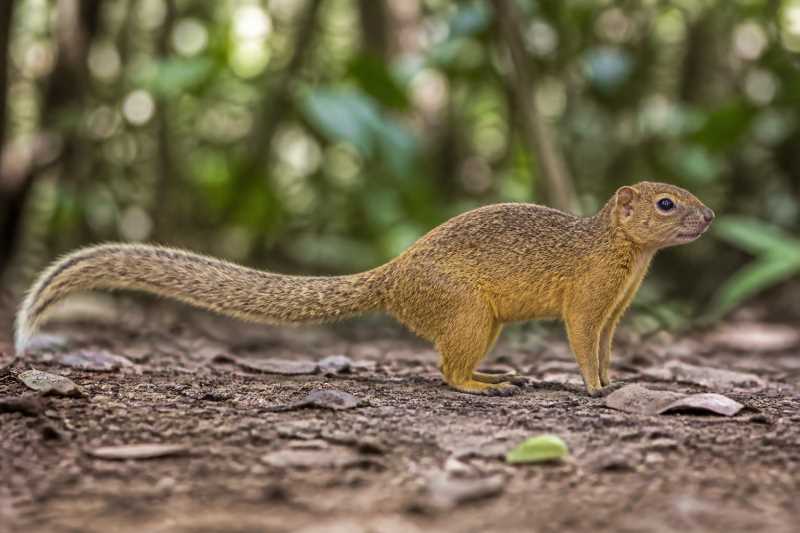
The Guayaquil Squirrel is a medium-sized tree squirrel notable for its distinctive features. Typically, these squirrels have a body length ranging from 20 to 30 centimeters, with their bushy tails adding an additional 20 to 25 centimeters. The fur of the Guayaquil Squirrel is predominantly a tawny or straw-like color, which is reflected in its scientific name, Sciurus stramineus, with ‘stramineus’ meaning ‘straw-colored’ in Latin.
Their underbelly is often lighter, ranging from white to a pale cream, providing a striking contrast to their darker backs. The fur is short yet dense, offering protection against the elements while allowing the squirrel to maintain agility among the treetops. Their rounded ears and sharp claws are well-adapted for climbing and foraging, making them adept at navigating their arboreal habitats.
Range and Habitat
The Guayaquil Squirrel predominantly inhabits the tropical and subtropical forests of Ecuador and northern Peru. These regions provide the ideal conditions for their survival, with abundant food sources and suitable nesting sites. The squirrel tends to prefer lowland forests and areas with dense vegetation, which offer ample cover from predators and harsh weather conditions.
In Ecuador, they are primarily found in the coastal regions, thriving in both primary and secondary forests. Their adaptability is evident as they can also be seen in urban areas where green spaces are available. This ability to thrive in various environments highlights the squirrel’s resilience and adaptability.
Behavior and Diet
Guayaquil Squirrels are diurnal creatures, meaning they are most active during the day. Their activity peaks during the early morning and late afternoon, coinciding with cooler temperatures. They are known for their playful and acrobatic behavior, often seen leaping between branches with remarkable agility.
The diet of the Guayaquil Squirrel is predominantly herbivorous, consisting largely of fruits, seeds, and nuts. They play a crucial role in seed dispersal, aiding in the propagation of various plant species. Occasionally, they may consume insects and small invertebrates, supplementing their diet with protein.
These squirrels are solitary by nature, although they may come together during the breeding season. Communication among them includes a range of vocalizations and physical gestures, which are essential for maintaining social structure and alerting each other to potential threats.
Identification Tips
Identifying the Guayaquil Squirrel in the field requires attention to several key features. Firstly, note their distinctive straw-colored fur, which sets them apart from other squirrel species in the region. Their bushy tail is another prominent feature, often held aloft as they move through the trees.
Observers should also listen for their unique vocalizations, which include a series of chirps and chatters used to communicate with others. Their presence is often indicated by the rustling of leaves and the sound of nuts being cracked.
Conservation Status
The Guayaquil Squirrel is currently classified as a species of Least Concern by the International Union for Conservation of Nature (IUCN). However, this status does not imply that the species is free from threats. Habitat destruction, primarily due to deforestation and urban expansion, poses significant risks to their populations.
Efforts to protect their habitats are crucial, with several conservation programs focused on preserving the tropical forests of Ecuador and Peru. Legal protections and the establishment of protected areas are vital to ensuring the long-term survival of this species. Public awareness and education about the importance of biodiversity also play a critical role in conservation strategies.
Frequently Asked Questions
What is the best time to observe the Guayaquil Squirrel in its natural habitat?
The best time to observe the Guayaquil Squirrel is during the early morning and late afternoon when they are most active. These times coincide with cooler temperatures, making it more comfortable for them to forage and play.
How does the Guayaquil Squirrel contribute to its ecosystem?
The Guayaquil Squirrel plays a vital role in seed dispersal, aiding in the propagation of various plant species. Their foraging activities help maintain the health and diversity of their forest habitats.
Are Guayaquil Squirrels found in urban environments?
Yes, Guayaquil Squirrels have adapted to urban environments where green spaces are available. They can often be seen in parks and gardens, where they find food and nesting sites.
What are the major threats to the Guayaquil Squirrel?
The primary threats to the Guayaquil Squirrel include habitat destruction due to deforestation and urban expansion. Conservation efforts are essential to mitigate these threats and protect their natural habitats.
How can people help in the conservation of the Guayaquil Squirrel?
People can contribute to the conservation of the Guayaquil Squirrel by supporting conservation programs, promoting awareness about the importance of biodiversity, and advocating for the protection of tropical forests in Ecuador and Peru.
Related posts