Rio de Janeiro Spiny-rat (Trinomys dimidiatus): A Comprehensive Guide
Introduction
The Rio de Janeiro Spiny-rat, scientifically known as Trinomys dimidiatus, is a fascinating rodent species native to Brazil. These diminutive creatures, belonging to the Echimyidae family, are noted for their distinctive spiny fur and elusive nature. Found predominantly in the Atlantic Forest of Rio de Janeiro, this species plays a pivotal role in the ecosystem by aiding seed dispersal and maintaining forest health. In this article, we delve into various aspects of the Rio de Janeiro Spiny-rat, exploring its physical characteristics, habitat preferences, behavior, and conservation status.
Physical Description
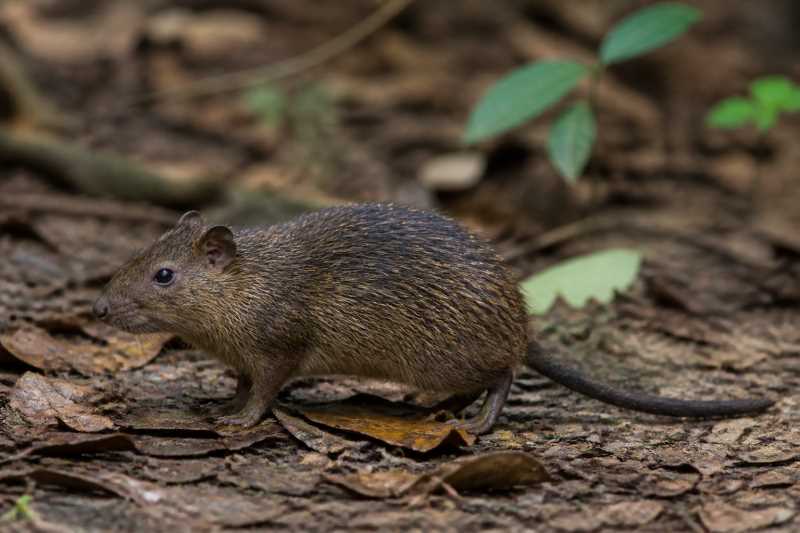
The Rio de Janeiro Spiny-rat is a medium-sized rodent distinguished by its unique fur. Unlike typical rodents, this species has fur interspersed with spiny hairs that provide a degree of protection against predators. The spines are particularly prominent along the back and are a defining characteristic of the species.
Adult Rio de Janeiro Spiny-rats typically measure between 20 to 30 centimeters in body length, with a tail that is slightly shorter than the body. They weigh approximately 200 to 300 grams. Their fur is generally a mix of brown and gray tones, providing excellent camouflage in their forested environment. The underbelly is lighter, often a soft gray or off-white.
Their eyes are relatively large, an adaptation that enhances night vision, indicating their nocturnal behavior. The ears are small and rounded, and their limbs are well-adapted for climbing and foraging in the dense underbrush.
Range and Habitat
The Rio de Janeiro Spiny-rat is endemic to the Atlantic Forest biome, a region known for its high biodiversity and endemism. This biome stretches along the Atlantic coast of Brazil, and the spiny-rat is primarily found in the state of Rio de Janeiro.
These rodents inhabit lowland tropical forests, preferring dense, humid areas where they can easily find shelter and food. They thrive in areas with a thick understory, which provides ample cover from predators and facilitates their foraging activities. Despite their preference for undisturbed habitats, they have also been observed in secondary forests, indicating some degree of adaptability.
Behavior and Diet
The Rio de Janeiro Spiny-rat is primarily nocturnal, with most of its activities occurring at night. This nocturnal behavior helps them avoid many diurnal predators. During the day, they seek refuge in burrows or dense vegetation.
These rodents are solitary creatures, with each individual maintaining a specific territory. They communicate through a series of vocalizations and scent markings, which help them establish and defend their territories.
Their diet is largely herbivorous, consisting of seeds, fruits, and leaves. They play a crucial role in seed dispersal, as they often transport and bury seeds, aiding in forest regeneration. Occasionally, they may also consume small insects, providing a protein supplement to their primarily plant-based diet.
Identification Tips (Field Recognition Cues)
Identifying the Rio de Janeiro Spiny-rat in the wild can be challenging due to its nocturnal habits and elusive nature. However, certain field recognition cues can aid researchers and wildlife enthusiasts:
- Spiny Fur: The presence of spiny hairs amidst softer fur is a key identifier. Observers should look for this characteristic when spotting potential individuals.
- Size and Shape: Their medium size and elongated body with a slightly shorter tail are distinctive.
- Coloration: The brown and gray fur with a lighter underbelly helps them blend into the forest floor, but these color patterns are consistent identifiers.
- Behavior: Being nocturnal, sightings are more common at night. Listening for rustling sounds in the underbrush can also indicate their presence.
Conservation Status (With Threats and Protections)
The Rio de Janeiro Spiny-rat currently faces several threats, primarily due to habitat loss and fragmentation. The Atlantic Forest has been heavily impacted by urbanization, agriculture, and logging, leading to significant reductions in suitable habitats for many endemic species, including the spiny-rat.
Despite these threats, the species is not currently listed as endangered. However, its reliance on the diminishing Atlantic Forest makes it vulnerable. Conservation efforts are crucial to ensure the survival of this species. Protection of habitats through the establishment of reserves and sustainable land-use practices are essential strategies.
Additionally, research initiatives aimed at understanding the species’ ecology and population dynamics are vital. Public awareness campaigns can also help garner support for conservation efforts, highlighting the importance of preserving the unique biodiversity of the Atlantic Forest.
Frequently Asked Questions
What is the diet of the Rio de Janeiro Spiny-rat?
The Rio de Janeiro Spiny-rat primarily feeds on seeds, fruits, and leaves. Occasionally, they may consume small insects, supplementing their herbivorous diet with protein.
How does the Rio de Janeiro Spiny-rat contribute to its ecosystem?
These spiny-rats play a significant role in seed dispersal. By transporting and burying seeds, they aid in forest regeneration and contribute to the health of their ecosystem.
What are the main threats to the Rio de Janeiro Spiny-rat?
The primary threats include habitat loss and fragmentation due to urbanization, agriculture, and logging in the Atlantic Forest. Conservation efforts are crucial to mitigate these threats.
How can I identify a Rio de Janeiro Spiny-rat in the wild?
Look for their distinctive spiny fur, medium size, and brown-gray coloration. Observations are more likely at night due to their nocturnal habits.
Are there any conservation programs for the Rio de Janeiro Spiny-rat?
Yes, conservation programs focused on habitat protection and sustainable land-use practices are in place to help preserve the Rio de Janeiro Spiny-rat and its habitat.
Related posts