Introduction
The Imposter Hutia, scientifically known as Hexolobodon phenax, is a captivating species that belongs to the family Capromyidae. This enigmatic mammal has intrigued scientists and wildlife enthusiasts alike due to its elusive nature and unique characteristics. Despite being lesser-known, the Imposter Hutia plays an essential role in its ecosystem, contributing to the biodiversity of its native habitat. This article delves into the various aspects of this intriguing species, including its physical description, range and habitat, behavior and diet, identification tips, and conservation status.
Physical Description
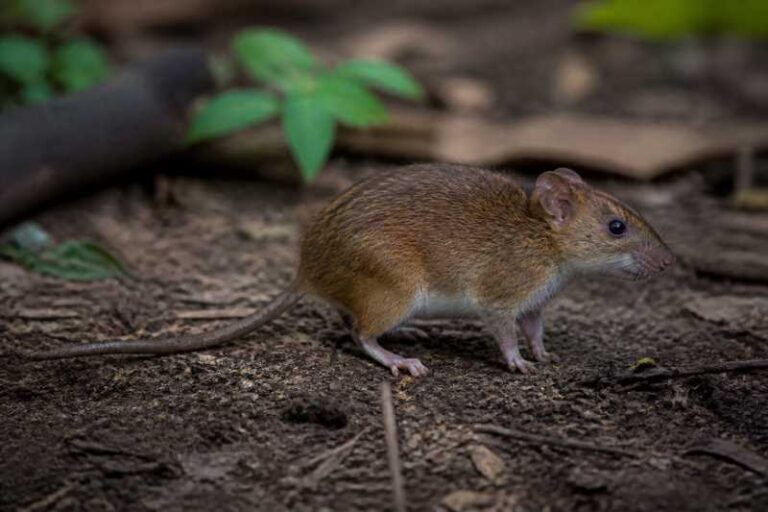
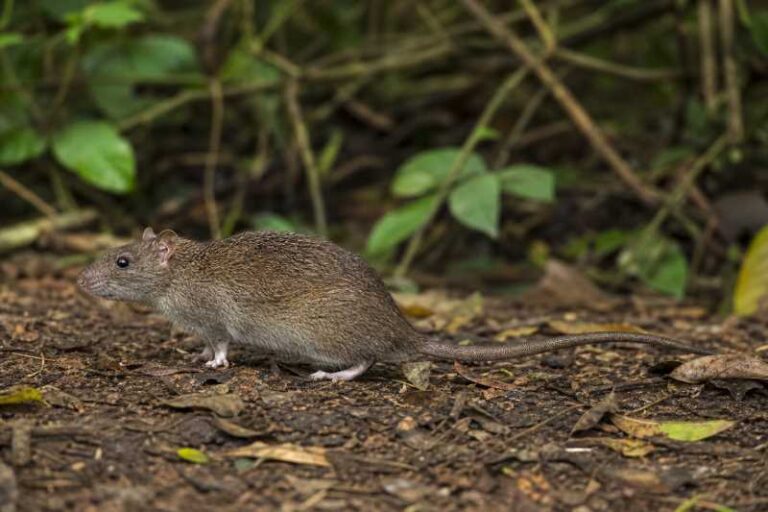
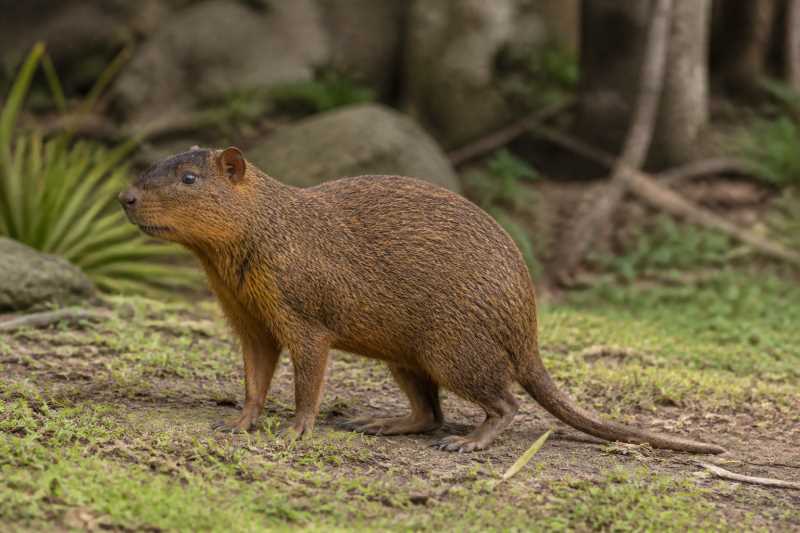
The Imposter Hutia is a medium-sized rodent with a robust body and distinct physical features that set it apart from other members of its family. It typically measures between 30 to 40 centimeters in length, with a tail that is relatively short compared to its body size. The fur of the Imposter Hutia is dense and coarse, usually exhibiting shades of brown or gray, which provides excellent camouflage in its natural habitat.
One of the most distinguishing features of the Imposter Hutia is its large, rounded ears that not only enhance its auditory abilities but also aid in thermoregulation. The eyes are small and bead-like, adapted to its nocturnal lifestyle. Its strong limbs and sharp claws are well-suited for climbing and foraging, making it an adept navigator of its arboreal environment.
Range and Habitat
The Imposter Hutia is endemic to the Caribbean, with its range historically believed to be limited to the island of Hispaniola. Recent studies, however, suggest that its range may have once extended to nearby islands before habitat loss and human activities led to a significant reduction in its distribution.
This species primarily inhabits subtropical and tropical moist lowland and montane forests. It thrives in areas with dense vegetation, which provides both food and shelter. The Imposter Hutia is also known to inhabit limestone karst landscapes, where it can find refuge in the numerous caves and crevices.
Behavior and Diet
The Imposter Hutia is primarily nocturnal, spending the daylight hours in burrows or nests built within the trees. Its nocturnal nature aids in avoiding predators and the intense heat of the day. Socially, the Imposter Hutia is known to be a solitary creature, coming together only during the breeding season.
As an herbivore, the Imposter Hutia’s diet mainly consists of fruits, leaves, and bark. It plays a crucial role in seed dispersal, which helps maintain the ecological balance of its habitat. Occasionally, it may also consume insects, providing a source of protein.
Identification Tips (Field Recognition Cues)
Identifying the Imposter Hutia in the wild can be challenging due to its elusive nature and excellent camouflage. However, there are several cues that can aid in its identification:
- Fur Color and Texture: Look for the dense, coarse fur with shades of brown or gray.
- Size and Shape: Note the medium-sized, robust body with a relatively short tail.
- Ear and Eye Features: Large, rounded ears and small, bead-like eyes are distinctive features.
- Behavioral Patterns: Observe nocturnal activity and arboreal movement.
Conservation Status (With Threats and Protections)
The conservation status of the Imposter Hutia is currently classified as Critically Endangered by the International Union for Conservation of Nature (IUCN). The species faces numerous threats, including habitat loss due to deforestation, agricultural expansion, and urban development. Additionally, the introduction of non-native predators such as cats and dogs poses a significant threat to its survival.
Conservation efforts are underway to protect the remaining populations of the Imposter Hutia. These efforts include habitat restoration, legal protections, and breeding programs aimed at increasing population numbers. Public awareness campaigns are also being conducted to educate local communities about the importance of preserving this unique species.
Frequently Asked Questions
1. What is the natural habitat of the Imposter Hutia?
The Imposter Hutia is native to the Caribbean, primarily found in the subtropical and tropical moist lowland and montane forests of Hispaniola. It thrives in areas with dense vegetation and limestone karst landscapes.
2. How does the Imposter Hutia contribute to its ecosystem?
As an herbivore, the Imposter Hutia plays a vital role in seed dispersal, which helps maintain the ecological balance of its habitat. Its feeding habits contribute to the regeneration of vegetation.
3. What are the main threats to the survival of the Imposter Hutia?
The main threats include habitat loss due to deforestation and human activities, as well as predation by non-native species such as cats and dogs.
4. Are there any conservation efforts in place for the Imposter Hutia?
Yes, various conservation efforts are underway, including habitat restoration, legal protections, and breeding programs to increase population numbers.
5. How can I identify an Imposter Hutia in the wild?
Look for cues such as dense, coarse fur with shades of brown or gray, medium-sized robust body, large rounded ears, small bead-like eyes, and nocturnal arboreal behavior.
Related posts