Introduction
The Black-tailed Hutia (Mesocapromys melanurus) is a captivating rodent species native to the island of Cuba. Known for its distinctive physical features and unique behaviors, this species has become a focal point of interest for researchers and conservationists alike. As one of several hutia species, the Black-tailed Hutia holds ecological significance within its habitat, contributing to the biodiversity and ecosystem dynamics of Cuban forests.
Physical Description
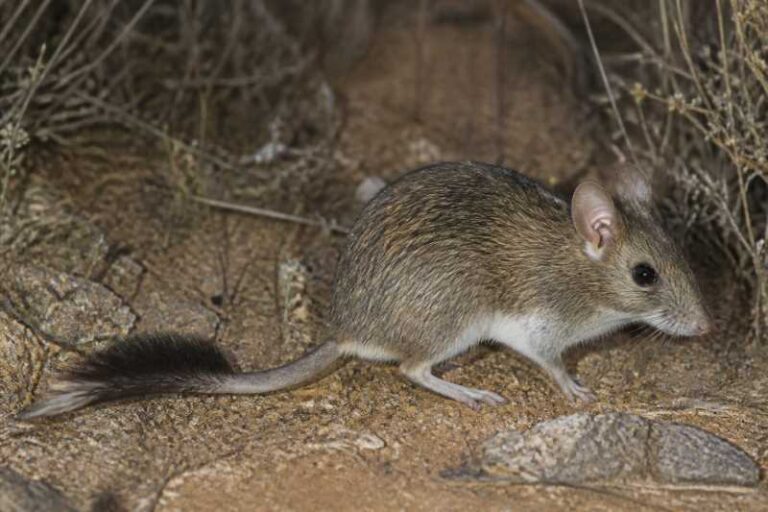
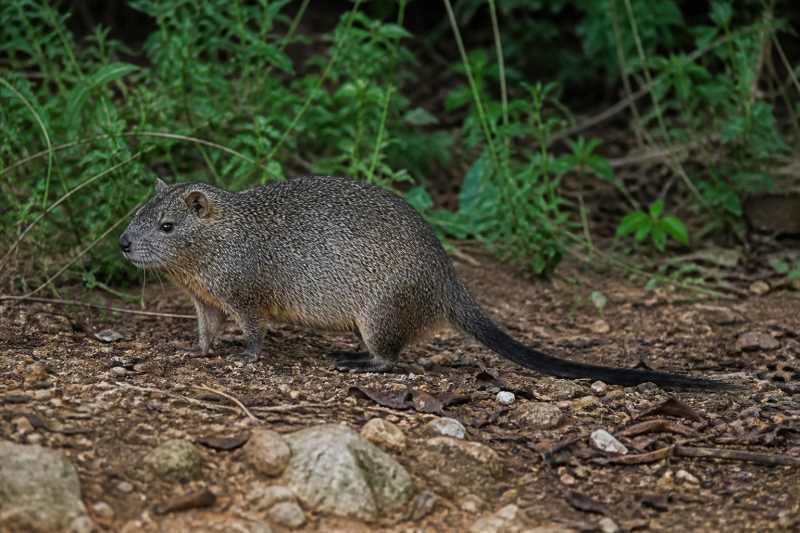
The Black-tailed Hutia is a medium-sized rodent, typically weighing between 1 to 2 kilograms (2.2 to 4.4 pounds) with a body length ranging from 30 to 40 centimeters (12 to 16 inches). Its name is derived from its dark, bushy tail that serves as a distinguishing characteristic. The fur of the Black-tailed Hutia is generally coarse and varies in color from grayish-brown to dark brown, providing effective camouflage within its natural habitat. Its limbs are short and sturdy, adapted for climbing and grasping, while its head is equipped with prominent incisors used for gnawing on vegetation and bark.
Range and Habitat
The Black-tailed Hutia is endemic to Cuba, predominantly found in the island’s forested regions. It inhabits a range of environments, from coastal mangroves to mountainous forests. These rodents are particularly prevalent in areas with dense vegetation, which provides ample food sources and shelter from predators. The species has shown a remarkable ability to adapt to various habitats, though deforestation and habitat fragmentation pose significant threats to its long-term survival.
Behavior and Diet
Black-tailed Hutias are primarily arboreal, spending a significant amount of time in trees where they forage and seek refuge from terrestrial predators. They are known to be crepuscular, most active during dawn and dusk. Their diet consists mainly of leaves, fruits, and bark, though they occasionally consume small invertebrates. Hutias are social animals, often observed in small family groups or pairs, which facilitates cooperative foraging and protection against threats.
Identification Tips (Field Recognition Cues)
Identifying a Black-tailed Hutia in the wild requires careful observation of several key features:
- Tail: Look for the characteristic black, bushy tail that contrasts with the rest of the body.
- Size and Color: Note the medium size and grayish-brown to dark brown coloration of the fur.
- Habitat: Spot them in dense forested areas, often within trees or near thick vegetation.
- Behavior: Watch for their climbing and gnawing behavior, particularly at dawn or dusk.
Conservation Status (with Threats and Protections)
The Black-tailed Hutia is currently classified as Near Threatened on the IUCN Red List. The primary threats to this species include habitat destruction due to logging and agricultural expansion, as well as predation by introduced species such as feral cats and dogs. Conservation efforts are focused on habitat preservation and restoration, alongside legal protections under Cuban environmental laws. Establishing protected areas and promoting sustainable land-use practices are crucial for ensuring the future of the Black-tailed Hutia.
Frequently Asked Questions
1. Where can the Black-tailed Hutia be found? The Black-tailed Hutia is found exclusively in Cuba, inhabiting various forested regions across the island from coastal areas to mountainous terrains.
2. What does the Black-tailed Hutia eat? Its diet primarily consists of leaves, fruits, and bark, but it may also consume small invertebrates when available.
3. How can I identify a Black-tailed Hutia in the wild? Look for its black, bushy tail and medium-sized, grayish-brown to dark brown body. They are usually spotted in dense forests, often during dawn or dusk.
4. What are the main threats to the Black-tailed Hutia? The species faces threats from habitat destruction due to deforestation and agricultural expansion, as well as predation by non-native species.
5. What conservation measures are in place for the Black-tailed Hutia? Conservation efforts include habitat protection, legal protections under Cuban law, and the establishment of protected areas to preserve their natural ecosystems.
Related posts