Introduction
Bennett’s Chinchilla Rat, scientifically known as Abrocoma bennettii, is an intriguing mammal species that captures the interest of biologists and nature enthusiasts alike. This rodent is a member of the Abrocomidae family, which is comprised of a small group of chinchilla rats native to South America. Discovered by the Scottish naturalist George Bennett in the mid-19th century, this species bears significant importance in understanding the biodiversity of the region’s unique rodent fauna. This article delves into the various aspects of Bennett’s Chinchilla Rat, from its physical characteristics and habitat preferences to its behaviors and conservation status.
Physical Description
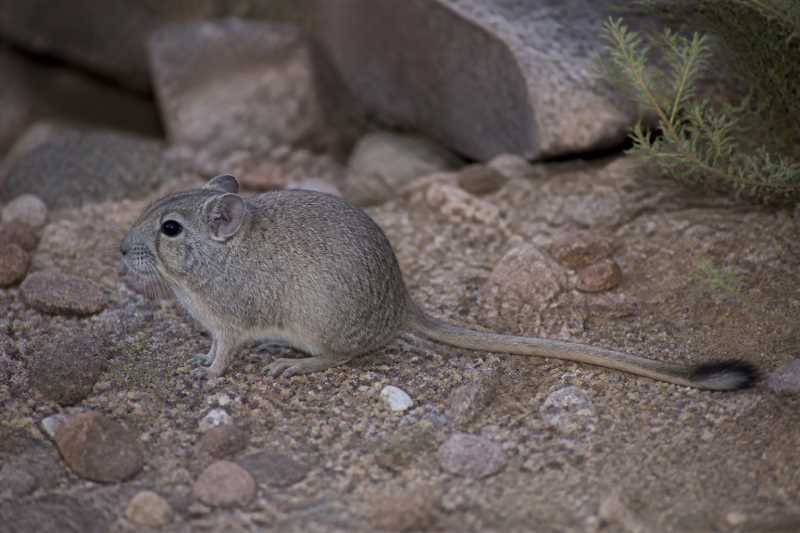
Bennett’s Chinchilla Rat is a medium-sized rodent, measuring approximately 20 to 25 centimeters in body length, with an additional tail length of about 15 to 20 centimeters. Its weight typically ranges from 150 to 200 grams. The species is characterized by its thick, soft fur, which is generally grayish-brown on the dorsal side and lighter on the ventral side. This coloration aids in camouflage against the rocky and arid landscapes it inhabits.
The rodent’s head is relatively large with a blunt snout, and it features small, rounded ears that are covered with a thin layer of hair. Its eyes are prominent and adapted for low-light conditions, reflecting its crepuscular and nocturnal activity patterns. The limbs of Bennett’s Chinchilla Rat are short but strong, with dexterous digits that allow it to adeptly navigate its rocky terrain and manipulate food items.
Range and Habitat
Bennett’s Chinchilla Rat is endemic to Chile, with its range primarily confined to the central regions of the country. This species favors rocky outcrops and mountainous areas, where it can find ample cover and nesting sites among crevices and boulders. The semi-arid climate of these regions provides an ideal environment for the species, which has evolved various adaptations to thrive in such conditions.
The rodent’s habitat is typically characterized by sparse vegetation, including shrubs, grasses, and occasional small trees. These areas are often subject to significant temperature fluctuations between day and night, necessitating the species’ behavioral adaptations for thermoregulation.
Behavior and Diet
Bennett’s Chinchilla Rat is primarily nocturnal, although it may exhibit crepuscular activity during twilight hours. This behavior helps it avoid the extreme heat of the day and potential predators. The species is known for its social nature, often living in small colonies that can consist of several family groups. Communication within these colonies is facilitated by a variety of vocalizations, postures, and scent markings.
The diet of Bennett’s Chinchilla Rat is predominantly herbivorous, consisting mainly of grasses, seeds, and leaves. Its foraging strategy involves both ground-level browsing and climbing shrubs to access foliage and seeds. The rodent is also known to store food within its burrows, a behavior that ensures a consistent food supply during periods of scarcity.
Identification Tips
Recognizing Bennett’s Chinchilla Rat in the wild can be facilitated by several distinctive features:
- Size and Shape: Look for a medium-sized rodent with a rounded body, short limbs, and a long, bushy tail.
- Fur Color: Its grayish-brown dorsal fur and lighter underbelly offer a good contrast for identification.
- Habitat Preference: The species is typically found in rocky, arid environments within central Chile.
- Behavioral Cues: Nocturnal activity and social, colony-based living patterns are key behavioral identifiers.
Conservation Status
Bennett’s Chinchilla Rat is currently classified as a species of "Least Concern" by the International Union for Conservation of Nature (IUCN). However, like many other species, it faces potential threats that could impact its long-term survival. Key threats include habitat destruction due to agricultural expansion, mining activities, and urban development.
Conservation efforts are crucial to ensuring the species’ continued existence. This includes the protection of its natural habitat through the establishment of protected areas and the promotion of sustainable land-use practices. Additionally, research into the species’ ecology and population dynamics is essential for informed conservation strategies.
Frequently Asked Questions
1. What is Bennett’s Chinchilla Rat’s primary habitat? Bennett’s Chinchilla Rat primarily inhabits rocky outcrops and mountainous regions in central Chile, where it benefits from the cover and resources these environments provide.
2. How does Bennett’s Chinchilla Rat adapt to its environment? The species has adapted to its arid habitat through nocturnal activity patterns, social colony structures, and a diet that includes a variety of plant materials.
3. Are Bennett’s Chinchilla Rats threatened by human activities? Yes, human activities such as agriculture, mining, and urbanization pose significant threats to their habitat, potentially impacting their populations.
4. What do Bennett’s Chinchilla Rats eat? Their diet is mainly herbivorous, consisting of grasses, seeds, and leaves, which they forage from ground-level vegetation and shrubs.
5. How can I identify Bennett’s Chinchilla Rat in the wild? Look for their medium size, bushy tails, and grayish-brown fur, and observe their social behaviors and habitat preferences in rocky, arid areas.
Related posts