Introduction
The European hare (Lepus europaeus), also known as the brown hare, is a widespread species of hare native to Europe and parts of Asia. It is an iconic mammal that has been featured in folklore and art for centuries. Known for its speed and agility, the European hare is a fascinating subject of study both in terms of its ecological role and its adaptability to various habitats.
Physical Description
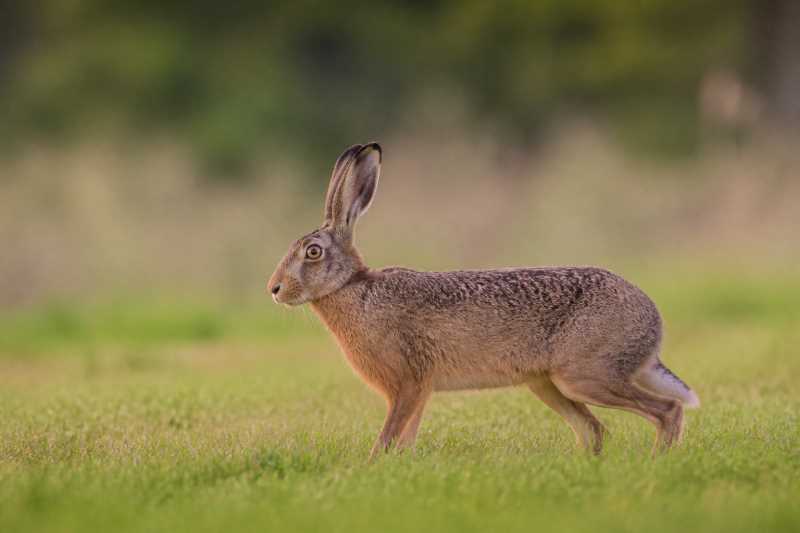
The European hare is a large mammal characterized by its long ears and powerful hind legs. Adult hares typically weigh between 3 to 5 kilograms and can reach a length of 60 to 75 centimeters. Their fur is predominantly brown, with black-tipped ears and a white underside. This coloration provides effective camouflage against predators in their natural habitat.
Hares have large, prominent eyes located on the sides of their heads, providing them with a wide field of vision. This adaptation is crucial for detecting predators. Their long hind legs not only contribute to their remarkable speed—up to 70 kilometers per hour—but also enable them to leap great distances.
Range and Habitat
The European hare is widely distributed across Europe, from the British Isles to Western Russia, and extending into parts of the Middle East and Central Asia. They inhabit a variety of environments, including grasslands, farmlands, and open fields. Hares are particularly associated with agricultural landscapes, where they benefit from the abundance of food and cover.
These mammals prefer areas with a mixture of open fields and hedgerows or woodland edges, which provide both feeding grounds and protection from predators. Their adaptability allows them to thrive in different climates and altitudes, from sea level to mountainous regions.
Behavior and Diet
European hares are primarily nocturnal, meaning they are most active during the night. They are solitary animals, typically coming together only during the breeding season, known as "March madness," due to the conspicuous courtship displays and fights between males.
Their diet consists mainly of grasses and herbs, but they are also known to consume agricultural crops, such as cereals and root vegetables. Hares practice coprophagy, the re-ingestion of fecal material, to extract maximum nutrients from their food.
Identification Tips (Field Recognition Cues)
Identifying a European hare in the wild involves looking for several key characteristics:
- Size and Shape: They are larger and leaner than rabbits, with longer legs and ears.
- Coloration: The brown fur with black-tipped ears and white underside is distinctive.
- Behavior: Hares are more likely to be seen alone and are faster and more agile than rabbits.
- Habitat: Unlike rabbits, hares do not dig burrows but create "forms"—simple depressions in the ground.
Conservation Status (With Threats and Protections)
The European hare is currently classified as "Least Concern" by the International Union for Conservation of Nature (IUCN). However, their populations are subject to fluctuations due to various threats, including habitat loss, agricultural intensification, and hunting.
In some areas, hares are protected by law to prevent overhunting and ensure sustainable populations. Conservation efforts focus on habitat management, such as maintaining hedgerows and field margins, to support their ecological needs.
Frequently Asked Questions
Why is this species unique?
The European hare is unique due to its incredible speed and agility, which are unmatched by most other mammals. This allows it to evade predators effectively and thrive in open landscapes.
What is the difference between a hare and a rabbit?
Hares are generally larger than rabbits, with longer ears and legs. Unlike rabbits, hares do not live in burrows; instead, they create simple nests called "forms".
How does the European hare’s diet affect agriculture?
While hares primarily feed on grasses, they can occasionally damage crops by feeding on cereals and root vegetables, leading to conflicts with farmers.
What adaptations help European hares survive in the wild?
European hares have adapted to their environments with keen senses, speed, and agility. Their long ears help detect predators, and their powerful legs enable quick escapes.
Are European hares solitary animals?
Yes, European hares are generally solitary except during the breeding season when males and females interact for mating purposes.
Related posts