Introduction
The Blue Nile Patas Monkey, scientifically known as Erythrocebus poliophaeus, is a fascinating primate species found in the northeastern regions of Africa. Renowned for its remarkable agility and unique social structures, this species is an integral part of the ecosystems it inhabits. Despite its significance, the Blue Nile Patas Monkey remains one of the lesser-known primates, often overshadowed by its more famous relatives. This article aims to shed light on its various aspects, from its physical characteristics and habitat to its behavior and conservation status.
Physical Description
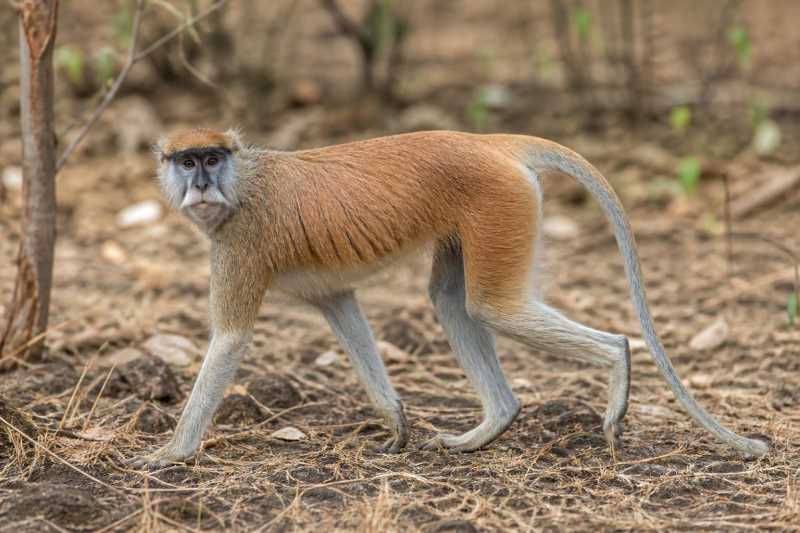
The Blue Nile Patas Monkey is distinguished by its sleek, agile build and distinctive fur coloration. Adult males are generally larger, weighing between 10 to 13 kilograms, while females are slightly smaller, weighing around 6 to 8 kilograms. Their body length ranges from 85 to 110 centimeters, with a long tail that can extend up to 75 centimeters, aiding in balance and mobility.
The fur of the Blue Nile Patas Monkey is predominantly reddish-brown with a white underbelly, providing a stark contrast that aids in camouflage within their natural habitat. Their faces are notably marked by a dark hue with a lighter, almost white area around the mouth and nose, giving them a striking appearance. Additionally, their eyes are ringed with dark skin, accentuating their expressive gaze.
Range and Habitat
The Blue Nile Patas Monkey primarily inhabits the savannahs and open woodlands of northeastern Africa, particularly in regions adjacent to the Blue Nile in Sudan and parts of Ethiopia. These areas offer a suitable environment characterized by sparse tree cover and abundant grasslands, which are crucial for their survival and foraging activities.
Their habitat selection is influenced by the availability of food resources and the proximity of water sources. These monkeys are adept at surviving in areas with seasonal rainfall, making them well-suited to the fluctuating conditions of the savannah. They are often found in groups that traverse large territories to access food and water, demonstrating a high degree of adaptability.
Behavior and Diet
Social structure plays a crucial role in the lives of Blue Nile Patas Monkeys. They typically form multi-male and multi-female groups, which can vary in size depending on the availability of resources. These groups are led by dominant males who are responsible for protecting the group and maintaining social order.
Their diet predominantly consists of fruits, seeds, and leaves, supplemented by insects and small vertebrates when available. The Blue Nile Patas Monkey is known for its opportunistic feeding behavior, adapting its diet based on seasonal availability. This dietary flexibility is a key factor in their survival, allowing them to thrive in diverse environmental conditions.
Identification Tips
Recognizing the Blue Nile Patas Monkey in the wild involves observing several key features:
- Fur Coloration: Look for the reddish-brown fur with a white underbelly, a distinctive trait that sets them apart from other primates.
- Facial Markings: Their dark faces with lighter areas around the mouth and nose are characteristic identifiers.
- Tail Length: A long, slender tail is a hallmark of the species, aiding in balance and agility.
- Group Dynamics: Observing group behavior, such as the presence of a dominant male leading the troop, can also aid in identification.
Conservation Status
The Blue Nile Patas Monkey currently faces several threats that impact its survival. Habitat destruction due to agricultural expansion and deforestation is a primary concern, leading to fragmentation and loss of their natural habitat. Additionally, hunting for bushmeat and the illegal pet trade pose significant risks to their populations.
Conservation efforts are essential to ensure the survival of this species. Protective measures include habitat preservation, anti-poaching initiatives, and community-based conservation programs that involve local populations in conservation efforts. International organizations and local governments must collaborate to implement effective strategies that address these threats.
Frequently Asked Questions
What are the main threats to the Blue Nile Patas Monkey?
The main threats include habitat destruction, hunting for bushmeat, and the illegal pet trade. Conservation efforts focus on habitat preservation and anti-poaching measures.
How can you identify a Blue Nile Patas Monkey in the wild?
Look for reddish-brown fur, a white underbelly, distinctive facial markings, and a long tail. Observing group dynamics and behavior can also aid identification.
What is the diet of the Blue Nile Patas Monkey?
Their diet primarily consists of fruits, seeds, and leaves, supplemented by insects and small vertebrates, showcasing their dietary adaptability.
Where is the natural habitat of the Blue Nile Patas Monkey?
They are found in the savannahs and open woodlands of northeastern Africa, particularly near the Blue Nile in Sudan and parts of Ethiopia.
How do Blue Nile Patas Monkeys live socially?
They live in multi-male and multi-female groups led by dominant males, showcasing complex social structures and behaviors.
Related posts