Long-nosed Spiny Bandicoot (Echymipera rufescens): A Comprehensive Guide
Introduction
The Long-nosed Spiny Bandicoot, scientifically known as Echymipera rufescens, is a fascinating marsupial species native to the Australasian region. This unique creature, often overlooked due to its elusive nature, plays a critical role in its ecosystem. As interest in biodiversity and conservation grows, understanding the Long-nosed Spiny Bandicoot becomes crucial for both researchers and conservationists. This article delves into various aspects of Echymipera rufescens, including its physical characteristics, habitat preferences, behavior, and conservation status.
Physical Description
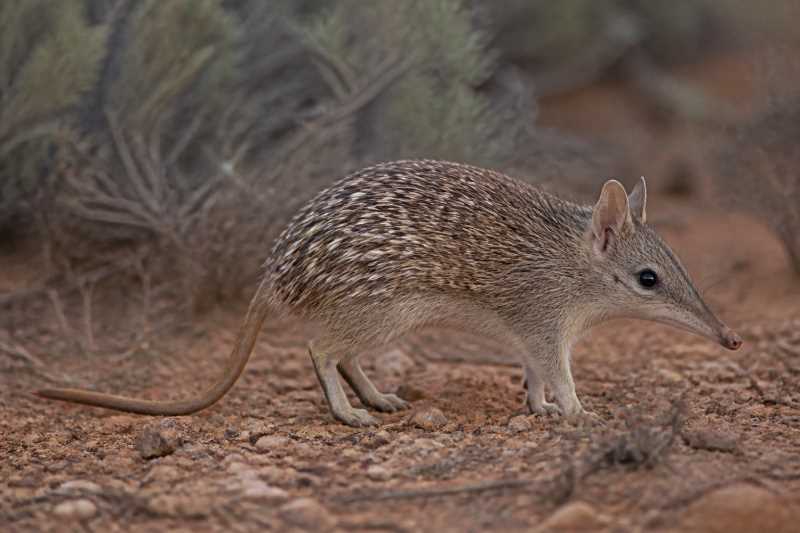
The Long-nosed Spiny Bandicoot is a medium-sized marsupial, notable for its elongated snout and spiny fur. Adults typically weigh between 500 grams to 2 kilograms and measure about 30 to 45 centimeters in length, excluding the tail. The tail itself is relatively short, adding another 10 to 20 centimeters. The bandicoot’s fur is generally reddish-brown, with a spiny texture that serves as a protective mechanism against predators.
Its long, pointed nose is adapted for foraging in soil, helping it locate insects and small invertebrates. The bandicoot’s sharp claws are also well-suited for digging. Its hind legs are longer than the front legs, providing agility and speed when escaping threats.
Range and Habitat
Echymipera rufescens is primarily found in the rainforests of New Guinea, extending its range to the nearby islands and northern regions of Australia. Preferring dense forest habitats, these bandicoots thrive in areas with ample ground cover and rich soil, where they can easily find food.
They are typically found at altitudes ranging from sea level to 2,000 meters, adapting well to both lowland and montane forests. However, deforestation and habitat destruction pose significant threats to their natural environment, pushing them into secondary forests and degraded lands.
Behavior and Diet
The Long-nosed Spiny Bandicoot is predominantly nocturnal, spending daylight hours hidden in burrows or dense vegetation. At night, they emerge to forage for food, relying on their keen sense of smell to locate insects, earthworms, and other small invertebrates. Their diet is omnivorous, occasionally including fruits, seeds, and fungi.
These solitary creatures are territorial, with males and females maintaining overlapping home ranges. During the breeding season, males may become more aggressive, competing for access to females. The reproductive cycle of the bandicoot is relatively short, with a gestation period of about 12 days, followed by the birth of underdeveloped young that continue to develop in the mother’s pouch.
Identification Tips (Field Recognition Cues)
Identifying the Long-nosed Spiny Bandicoot can be challenging due to its nocturnal habits and elusive nature. However, there are several field recognition cues that can aid in identification:
- Distinctive Snout: The elongated, pointed snout is a key feature distinguishing it from other bandicoot species.
- Reddish-brown Fur: The spiny, reddish-brown fur provides camouflage in forest environments.
- Size and Posture: Observing the bandicoot’s unique posture, with longer hind legs, can help in recognition.
- Tracks and Foraging Signs: Look for small diggings and disturbed soil, which indicate foraging activity.
Conservation Status (with Threats and Protections)
The Long-nosed Spiny Bandicoot is currently classified as Least Concern by the International Union for Conservation of Nature (IUCN). However, habitat loss due to logging, agriculture, and urban expansion poses ongoing threats to its population.
Conservation efforts are focused on habitat preservation and restoration. Protected areas in New Guinea and Australia help safeguard critical habitats. Additionally, public awareness campaigns and research initiatives aim to reduce human impact and support sustainable land use practices.
Frequently Asked Questions
What is the primary diet of the Long-nosed Spiny Bandicoot?
Long-nosed Spiny Bandicoots primarily feed on insects, earthworms, and small invertebrates. They are also known to consume fruits, seeds, and fungi, making them omnivorous.
Where can the Long-nosed Spiny Bandicoot be found?
These bandicoots are native to the rainforests of New Guinea and the northern regions of Australia. They prefer densely vegetated habitats with rich soil for foraging.
How does the Long-nosed Spiny Bandicoot reproduce?
The bandicoot has a short gestation period of about 12 days. The young are born underdeveloped and continue to grow in the mother’s pouch, similar to other marsupials.
Are Long-nosed Spiny Bandicoots solitary animals?
Yes, they are generally solitary, with males and females maintaining overlapping territories. They come together primarily during the breeding season.
What conservation efforts are in place for the Long-nosed Spiny Bandicoot?
Conservation efforts include habitat preservation, protected areas, and public awareness campaigns to reduce habitat destruction and promote sustainable land use.
Related posts