Introduction
The Gray African Climbing Mouse, scientifically known as Poemys melanotis, is an intriguing species belonging to the family of rodents. These agile climbers are native to the diverse landscapes of Africa, where they have adapted to a life among the trees and shrubs. This small mammal, although not as widely known as some of its rodent cousins, plays a vital role in its ecosystem, contributing to seed dispersal and serving as prey for a variety of predators. In this article, we delve into the specifics of this fascinating species, exploring its physical traits, natural habitat, behaviors, and the conservation efforts in place to ensure its survival.
Physical Description
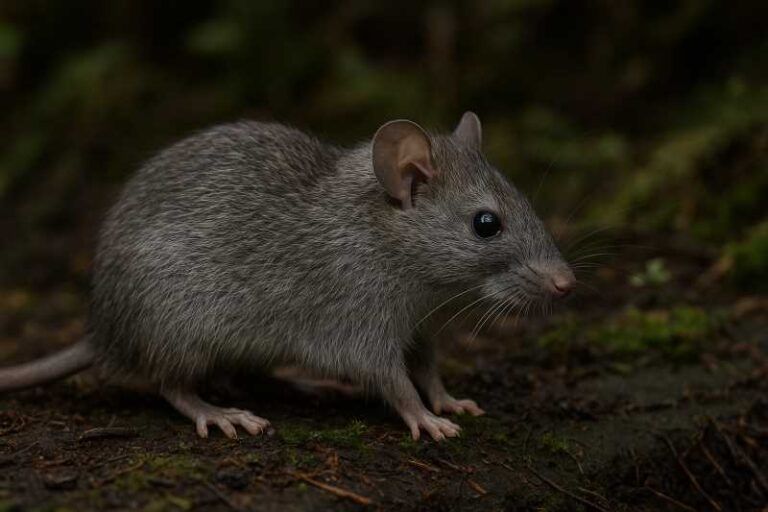
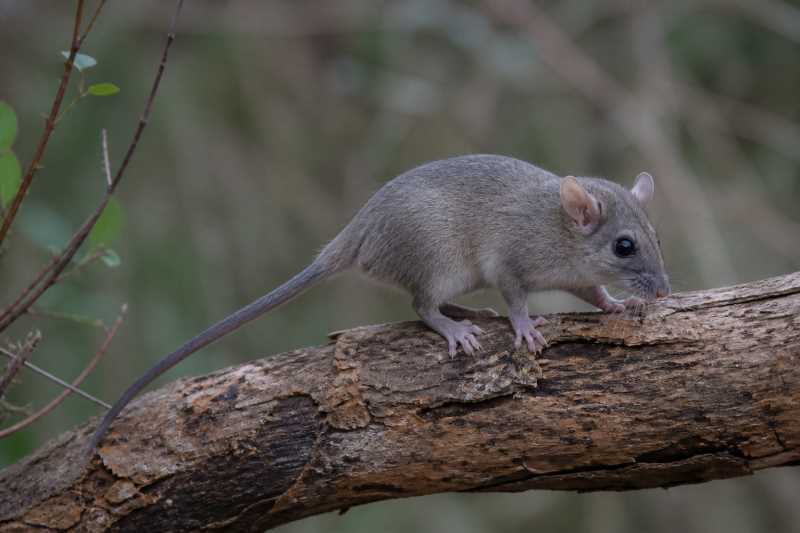
The Gray African Climbing Mouse is characterized by its petite size and distinctive features that make it well-suited for an arboreal lifestyle. On average, an adult mouse measures about 10 to 12 centimeters in body length, with a tail that often exceeds its body, adding another 12 to 15 centimeters. This long tail is not only a balancing tool but also aids in maneuvering through the treetops.
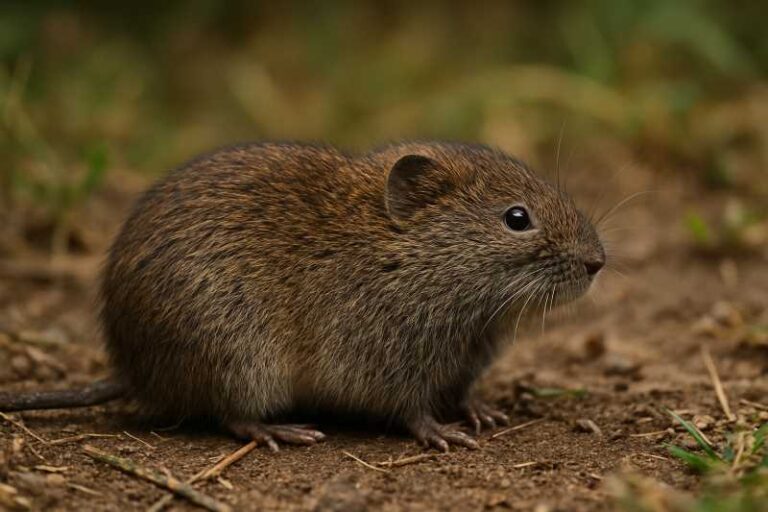
The fur of the Gray African Climbing Mouse is predominantly gray, offering excellent camouflage among the bark and leaves of its habitat. This gray coat is interspersed with subtle tones of brown and black, providing effective concealment from predators. The mouse’s ears are notably large, enhancing its auditory capabilities, while its eyes are proportionately large and adapted for low-light conditions, reflecting its nocturnal nature.
The feet of this climbing mouse are equipped with sharp claws and pads that offer excellent grip, facilitating its agile movements through the forest canopy. These physical adaptations highlight the species’ evolution for a life spent mostly above the ground.
Range and Habitat
Poemys melanotis is found primarily across Sub-Saharan Africa, with its range extending from the dense rainforests of Central Africa to the savannahs and woodlands of East Africa. It is a versatile species that thrives in environments offering ample vegetation and climbing opportunities.
The preferred habitat of the Gray African Climbing Mouse includes areas with dense underbrush and plentiful trees, allowing for both shelter and an abundant food supply. These mice are often found in secondary forests and bushlands, adapting well to areas altered by human activity as long as sufficient vegetation cover remains.
Behavior and Diet
The Gray African Climbing Mouse is predominantly nocturnal, spending the daylight hours hidden in nests constructed from leaves and twigs, often located in tree hollows or dense foliage. At night, they become active, foraging for food and navigating the treetops with remarkable agility.
Their diet is primarily herbivorous, consisting of seeds, fruits, and plant material. However, they are opportunistic feeders and will occasionally consume insects and other small invertebrates. This diverse diet allows them to adapt to the seasonal availability of resources in their environment.
Socially, these mice are relatively solitary but may be seen in pairs or small groups, particularly during the breeding season. Communication among individuals involves a series of high-pitched squeaks and vocalizations, as well as scent marking to establish territory.
Identification Tips (Field Recognition Cues)
For those interested in identifying the Gray African Climbing Mouse in the field, several key features can help:
- Tail Length: Look for a tail that is notably longer than the body, aiding in balance and climbing.
- Fur Color: The predominantly gray fur with subtle brown and black tones aids in identification among similar species.
- Large Ears and Eyes: These features are prominent and adapted for nocturnal activity.
- Arboreal Activity: Observing the mouse’s behavior, especially its climbing prowess, can be a distinguishing factor.
- Vocalizations: Listen for high-pitched sounds during the night, indicative of their presence.
Conservation Status (with Threats and Protections)
Currently, the Gray African Climbing Mouse is not listed as endangered, but it faces several threats that could impact its populations. Habitat loss due to deforestation and agricultural expansion poses significant risks, as these activities reduce the available natural habitat.
Conservation efforts for Poemys melanotis focus on habitat preservation and the management of protected areas. In regions where these mice are found, initiatives to maintain forest cover and promote sustainable land-use practices are crucial. Additionally, research into the species’ ecology and population dynamics is necessary to inform conservation strategies effectively.
Frequently Asked Questions
1. What do Gray African Climbing Mice eat?
Gray African Climbing Mice primarily consume seeds, fruits, and plant material, but they are opportunistic feeders and may also eat insects and small invertebrates.
2. Where can you find Gray African Climbing Mice?
These mice are found in Sub-Saharan Africa, particularly in regions with dense vegetation such as rainforests, bushlands, and secondary forests.
3. Are Gray African Climbing Mice endangered?
Currently, they are not considered endangered, but they are vulnerable to habitat loss due to deforestation and agricultural development.
4. How can you identify a Gray African Climbing Mouse?
Key identification features include a long tail, gray fur with brown and black tones, large ears and eyes, and their nocturnal, arboreal behavior.
5. What is the role of Gray African Climbing Mice in the ecosystem?
They play a crucial role in seed dispersal, which aids in forest regeneration, and serve as a food source for various predators, maintaining ecological balance.
Related posts