A Closer Look at the Black-winged Parrot: A Rare Avian Jewel
The Black-winged Parrot, scientifically known as Hapalopsittaca melanotis, is a captivating yet lesser-known member of the avian world. This parrot species, belonging to the family Psittacidae, is a remarkable example of nature’s artistry and adaptation. Its unique physical attributes, elusive behavior, and ecological significance make it a fascinating subject for ornithologists and bird enthusiasts alike.
Physical Description
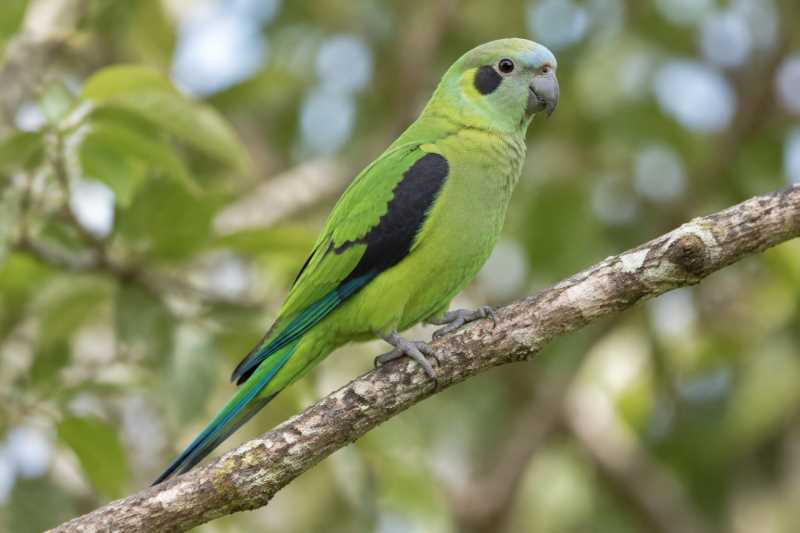
The Black-winged Parrot is a small to medium-sized parrot, measuring approximately 22-25 centimeters in length. Its plumage is predominantly green, with a distinctive blue tint on the wings and tail, giving it the characteristic name "Black-winged." The wings themselves have a darker, almost black hue, contrasted by the vivid green of the body. The parrot’s head is adorned with a subtle blue crown, and its cheeks are marked with a notable patch of black, which is a key distinguishing feature.
The parrot’s beak is robust and curved, adapted for cracking nuts and seeds. Its legs are zygodactylous, typical of parrots, with two toes pointing forward and two backward, facilitating a strong grip on branches and aiding in climbing.
Habitat and Distribution
The Black-winged Parrot is primarily found in the cloud forests and montane regions of the Andes in South America. Its range extends through countries such as Colombia, Ecuador, Peru, and Bolivia. These parrots favor humid, high-altitude forests, typically inhabiting areas ranging from 1,500 to 3,500 meters above sea level.
Due to their preference for dense forest habitats, Black-winged Parrots are often difficult to observe in the wild. They are typically seen in pairs or small flocks, foraging for food in the upper canopy. Their elusive nature and relatively limited range make them a subject of interest for conservationists.
Diet and Foraging Behavior
The diet of the Black-winged Parrot is diverse, comprising fruits, seeds, and nuts. They are known to feed on a variety of forest fruits, including those from the Lauraceae and Myrtaceae families. Their strong beaks allow them to crack open tough seed pods, making them effective seed dispersers within their ecosystem.
These parrots often forage in the early morning and late afternoon, taking advantage of cooler temperatures and reduced predation risks. Their feeding habits play a crucial role in the maintenance of their forest habitats, as they help in the regeneration of plant species through seed dispersal.
Breeding and Reproduction
The breeding season of the Black-winged Parrot generally aligns with the rainy season, which varies geographically across their range. During this period, the availability of food resources is higher, supporting the energy demands of raising chicks.
Nesting typically occurs in tree cavities, either natural or excavated by the birds themselves. The female lays a clutch of 2-4 eggs, which she incubates while the male provides food. Once hatched, both parents take part in feeding the chicks, which fledge after approximately 6-8 weeks.
Conservation Status and Threats
The International Union for Conservation of Nature (IUCN) currently lists the Black-winged Parrot as "Near Threatened." The primary threats to their survival include habitat loss due to deforestation, agriculture, and urban expansion. Additionally, illegal capture for the pet trade poses a significant risk to their population.
Conservation efforts are crucial to protect the remaining habitats of the Black-winged Parrot. Strategies include the establishment of protected areas within their range, reforestation initiatives, and community engagement to reduce deforestation. Research and monitoring programs are also essential to better understand their ecology and inform conservation actions.
Conclusion
The Black-winged Parrot is an extraordinary species that embodies the beauty and complexity of the natural world. Its striking appearance, combined with its ecological role as a seed disperser, underscores its importance within its native habitats. However, the challenges it faces highlight the urgent need for conservation measures to ensure its survival for future generations.
In appreciating the Black-winged Parrot, we are reminded of the intricate interdependencies within ecosystems and the critical role each species plays in maintaining ecological balance. By safeguarding this remarkable parrot, we contribute to the preservation of biodiversity and the health of our planet.
Related posts