Introduction
The Magdalena Woodrat, scientifically known as Xenomys nelsoni, is a fascinating rodent species endemic to the forests of Mexico. As one of the more elusive members of the Cricetidae family, the Magdalena Woodrat has intrigued researchers and wildlife enthusiasts alike. Known for its unique adaptations and behaviors, this species plays a crucial role in its ecosystem. This article delves into the various aspects of the Magdalena Woodrat’s life, providing insights into its physical characteristics, habitat, behavior, and conservation status.
Physical Description
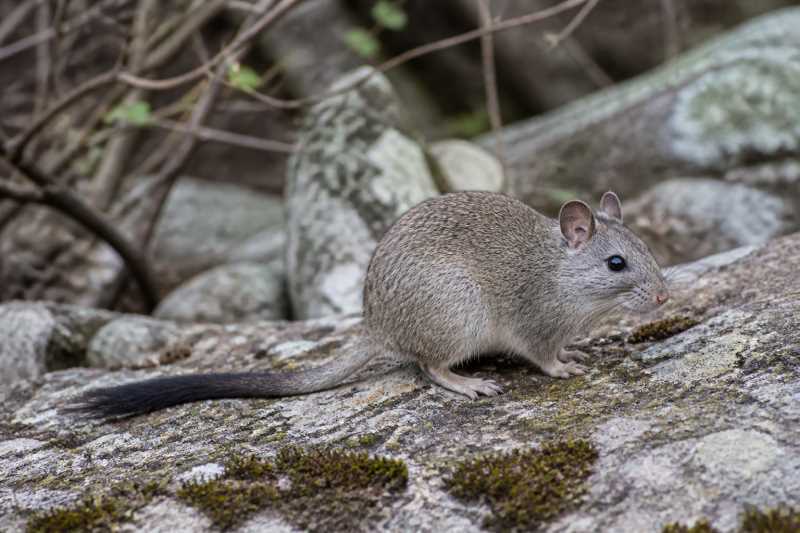
The Magdalena Woodrat is a medium-sized rodent, with adults typically weighing between 150 to 200 grams and measuring approximately 20 to 25 centimeters in length, excluding the tail. The tail itself is about the same length as the body, aiding in balance and mobility. The fur of the Magdalena Woodrat is dense and soft, displaying a grayish-brown coloration that provides natural camouflage within its forest habitat.
One of the distinctive features of this species is its large, rounded ears, which enhance its auditory capabilities, allowing it to detect predators and communicate with conspecifics effectively. Its eyes are proportionately large, adapted for nocturnal activity, granting it excellent night vision. The hind feet are well-developed, aiding in climbing and agile movement through the forest understory.
Range and Habitat
The Magdalena Woodrat is endemic to the Pacific slopes of western Mexico. Its range is primarily confined to the tropical and subtropical forests of the Sierra Madre Occidental, spanning several Mexican states including Nayarit, Jalisco, and Colima. These regions provide the dense, wooded environments that the species thrives in.
The woodrat’s habitat is characterized by a rich diversity of plant species, offering ample food resources and nesting materials. The understory vegetation is particularly important, providing cover from predators and suitable sites for constructing nests. The species is most commonly found at elevations ranging from 500 to 1,500 meters above sea level, where the climate is relatively humid and temperatures are moderate.
Behavior and Diet
Primarily nocturnal, the Magdalena Woodrat is most active during the night, foraging for food and maintaining its territory. This species is known for its solitary and territorial nature, with individuals maintaining distinct home ranges that they defend from intruders.
The diet of the Magdalena Woodrat is predominantly herbivorous, consisting of a variety of plant materials such as leaves, fruits, seeds, and bark. This diverse diet allows the species to adapt to seasonal changes in food availability. Occasionally, the woodrat may consume small invertebrates, supplementing its nutritional intake.
Nesting behavior is another intriguing aspect of the Magdalena Woodrat’s life. It constructs elaborate nests using twigs, leaves, and other plant materials. These nests are typically located in tree hollows or crevices, providing protection from predators and harsh weather conditions.
Identification Tips (Field Recognition Cues)
Identifying the Magdalena Woodrat in the wild requires attention to several key characteristics:
- Size and Shape: Look for a medium-sized rodent with a robust body and a long, bushy tail.
- Fur Coloration: Note the distinctive grayish-brown fur, which provides effective camouflage in forested environments.
- Ears and Eyes: Observe the large, rounded ears and proportionately large eyes, both adaptations for nocturnal life.
- Behavior: The species is primarily nocturnal and solitary, often observed alone during nighttime activities.
Conservation Status (With Threats and Protections)
The Magdalena Woodrat is currently classified as Near Threatened on the IUCN Red List. The primary threats to its survival include habitat loss due to deforestation, agricultural expansion, and urbanization. These activities result in fragmentation of the woodrat’s natural habitat, posing significant challenges to its long-term survival.
Conservation efforts are critical in addressing these threats. Protected areas within the species’ range, such as national parks and reserves, play a vital role in preserving its habitat. Additionally, local and international conservation organizations are working to raise awareness about the importance of preserving the unique biodiversity of Mexico’s forests.
Frequently Asked Questions
What is the Magdalena Woodrat?
The Magdalena Woodrat (Xenomys nelsoni) is a medium-sized rodent native to the forests of western Mexico. It is known for its nocturnal behavior and herbivorous diet.
Where can I find the Magdalena Woodrat?
This species is found in the tropical and subtropical forests of the Sierra Madre Occidental in Mexico, particularly at elevations between 500 and 1,500 meters.
What does the Magdalena Woodrat eat?
The Magdalena Woodrat primarily feeds on plant materials such as leaves, fruits, seeds, and bark, but may occasionally eat small invertebrates.
How can I identify a Magdalena Woodrat?
Look for a medium-sized rodent with grayish-brown fur, large ears and eyes, and a long, bushy tail. It is primarily active at night.
What are the conservation concerns for the Magdalena Woodrat?
The main threats to the species include habitat loss due to deforestation and agricultural expansion. Conservation efforts focus on habitat protection and raising awareness.
Related posts