Introduction
Pere David’s Red-backed Vole, scientifically known as Eothenomys melanogaster, is a fascinating species of rodent. Found predominantly in parts of Asia, this small mammal plays an essential role in its ecosystem. Despite its relatively obscure status among the general public, the vole is of significant interest to researchers due to its unique adaptations and behaviors. This article explores the vole’s physical characteristics, habitat, behavior, diet, and conservation status, providing a comprehensive overview for enthusiasts and professionals alike.
Physical Description
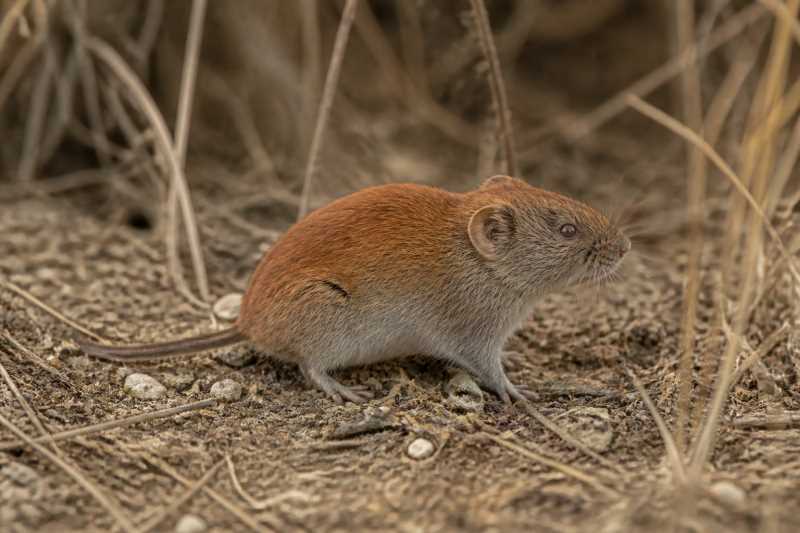
Pere David’s Red-backed Vole is a small rodent, characterized by a distinctive reddish patch on its back, which contrasts with its darker underbelly. Adults typically measure between 9 to 12 centimeters in body length, with tails adding an additional 4 to 7 centimeters. The vole’s coat is dense and soft, providing insulation against cold temperatures. Notably, the vole has small, rounded ears, which are often hidden within its fur, and relatively large eyes, which aid in its nocturnal activities.
Its limbs are short but powerful, adapted for digging and maneuvering through its environment. The vole’s incisors are sharp and continually growing, which is characteristic of rodents. This dental adaptation allows them to maintain their teeth’s length and sharpness, essential for their herbivorous diet.
Range and Habitat
The range of Pere David’s Red-backed Vole is primarily concentrated in eastern Asia, with significant populations in China and parts of Myanmar. These voles are typically found in forested regions, including both deciduous and mixed forests, where they can find ample food and cover. They are also known to inhabit alpine meadows and shrublands, adapting well to different elevations and climates within their range.
These voles prefer areas with abundant ground cover, such as thick underbrush and leaf litter, which provide protection from predators and harsh weather. Additionally, they are often found near water sources, which support their dietary needs and provide necessary hydration.
Behavior and Diet
Pere David’s Red-backed Voles are primarily nocturnal and crepuscular, being most active during twilight hours. This behavior helps them avoid many diurnal predators. They are solitary creatures, except during the breeding season when males and females come together to mate.
Their diet is primarily herbivorous, consisting of a variety of plant materials. They feed on grasses, seeds, and roots, but will also consume insects and other invertebrates when plant food is scarce. This varied diet allows them to adapt to changes in food availability throughout the seasons.
The voles are known for their burrowing behavior, creating intricate tunnel systems within their habitats. These burrows serve as protection from predators and harsh environmental conditions, as well as a place to store food.
Identification Tips (Field Recognition Cues)
Identifying Pere David’s Red-backed Vole in the field can be accomplished by paying attention to a few key characteristics:
- Reddish Back: The distinctive red patch on their back is a primary identifying feature.
- Size and Shape: Their small size and robust body shape, along with their short limbs and tail, are notable.
- Habitat: Observing their preferred habitats, such as forested areas with dense underbrush, can help confirm sightings.
- Behavior: Noting their nocturnal habits and burrowing behavior can aid in identification.
- Sounds: While relatively quiet, they may produce small squeaks, especially when disturbed.
Conservation Status (with Threats and Protections)
Currently, Pere David’s Red-backed Vole is not listed as endangered, but like many species, it faces threats from habitat destruction and environmental changes. Deforestation and land conversion for agriculture are significant threats to their natural habitats. Climate change also poses a risk by altering their habitat and food availability.
Conservation efforts focus on habitat protection and research to better understand the species’ ecological role and needs. Protected areas within their range offer some refuge, but ongoing monitoring and environmental policies are crucial for their continued survival.
Frequently Asked Questions
What is the lifespan of Pere David’s Red-backed Vole?
Pere David’s Red-backed Voles typically live for about 1 to 2 years in the wild. Their lifespan can be influenced by factors such as predation, food availability, and environmental conditions.
How does Pere David’s Red-backed Vole adapt to its environment?
The vole adapts through its burrowing behavior, nocturnal activity, and versatile diet. These adaptations help it avoid predators, find food, and survive in various climates.
Are Pere David’s Red-backed Voles social animals?
Generally, these voles are solitary, except during the breeding season. They maintain individual territories and interact primarily for mating purposes.
What predators threaten Pere David’s Red-backed Vole?
Common predators include birds of prey, such as owls and hawks, as well as terrestrial mammals like foxes and weasels. Their burrowing habits help reduce predation risks.
What is being done to protect Pere David’s Red-backed Vole?
Conservation efforts focus on habitat preservation and research. Establishing protected areas and promoting sustainable land-use practices are key strategies in their conservation.
Related posts