Introduction
The Transcaspian Vole, scientifically known as Microtus transcaspicus, is a small mammalian species belonging to the family Cricetidae. This rodent is primarily found in the Transcaspian region, a historical and geographical area that includes parts of present-day Turkmenistan, Iran, and Uzbekistan. The Transcaspian Vole is a part of the genus Microtus, which is widely distributed across Europe, Asia, and North America. Known for its adaptability to various environments, the Transcaspian Vole plays a crucial role in the ecosystems it inhabits.
Voles, including the Transcaspian Vole, are often mistaken for mice due to their similar size and appearance. However, they possess distinct features that set them apart. Understanding these differences, along with their behavior, habitat, and conservation status, is vital for appreciating their ecological importance and implementing effective conservation strategies.
Physical Description
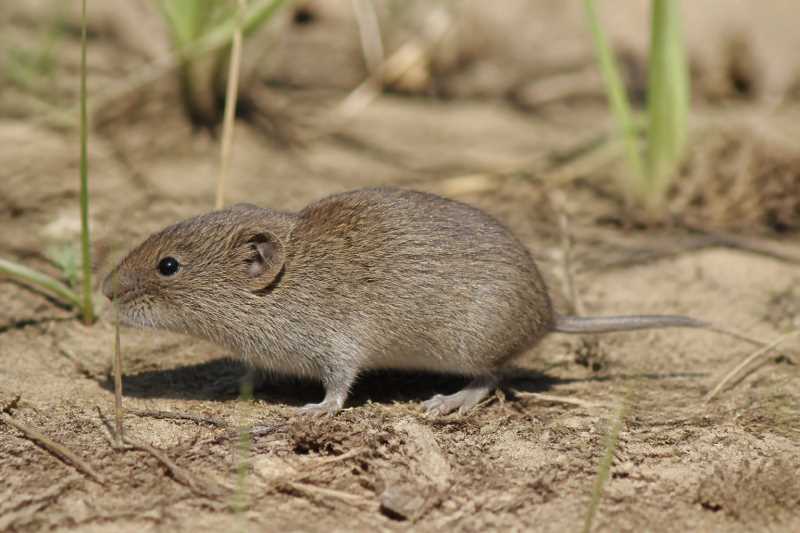
The Transcaspian Vole is a small rodent, typically measuring between 9 to 12 centimeters in length, excluding the tail, which adds an additional 2 to 4 centimeters. They are characterized by their stout bodies, short legs, and small, rounded ears that are often hidden by fur. Their fur is dense and soft, providing excellent insulation against the temperature extremes of their native habitats.
The fur coloration of the Transcaspian Vole is generally brown or grayish-brown on the dorsal side, which helps them blend into their surroundings and avoid predators. The ventral side is usually lighter, ranging from gray to white. Their tails are relatively short, covered in fine hair, and are darker on top with a lighter underside.
Their eyes are small and beady, adapted for their primarily nocturnal lifestyle. The Transcaspian Vole also has strong, continuously growing incisors, which it uses to gnaw on vegetation, a primary component of its diet.
Range and Habitat
The Transcaspian Vole is native to the Transcaspian region, encompassing areas in Turkmenistan, Iran, and Uzbekistan. This geographical area is characterized by diverse landscapes, including arid deserts, semi-desert regions, and mountainous terrain. The vole’s distribution is closely linked to these varied environments, as it has adapted to thrive in different habitat types.
In these regions, the Transcaspian Vole is typically found in grasslands, shrublands, and agricultural fields. They are known to inhabit areas with dense ground cover, which provides protection from predators and harsh weather conditions. The availability of vegetation is crucial for their survival, as it constitutes their primary food source.
The ability of the Transcaspian Vole to adapt to various habitats has allowed it to maintain stable populations in some areas, despite environmental changes and human activity. However, habitat fragmentation and agricultural expansion pose ongoing threats to their natural habitats.
Behavior and Diet
The Transcaspian Vole is primarily nocturnal, with most of its activity occurring during the night. This behavior helps them avoid predators and the extreme daytime temperatures common in their habitat. They are known for their burrowing activities, creating extensive underground networks that provide shelter and storage for food.
Socially, Transcaspian Voles are relatively solitary animals, although they may form small family groups during the breeding season. Their reproductive rate is high, with females capable of producing multiple litters annually, each consisting of several young.
The diet of the Transcaspian Vole is herbivorous, primarily consisting of grasses, seeds, roots, and other plant materials. They have a particular preference for tender shoots and leaves, which provide the necessary nutrients for their growth and maintenance. The vole’s strong incisors are well-suited for gnawing through tough plant materials, making them efficient foragers.
Identification Tips (Field Recognition Cues)
Identifying the Transcaspian Vole in the field can be challenging due to its similarity to other vole species and small rodents. However, there are specific cues that can aid in their identification:
- Size and Shape: The Transcaspian Vole is a small, stout rodent with a body length of 9 to 12 centimeters, excluding the tail. Their compact build and short legs are distinctive features.
- Fur Coloration: Look for a brown or grayish-brown dorsal side with a lighter ventral side. The tail is also bicolored, dark on top and light underneath.
- Ears: Their ears are small and often concealed by fur, unlike the more prominent ears of mice.
- Behavior: Observe their burrowing activities and nocturnal habits. They may be seen foraging or moving quickly between cover during the night.
- Habitat: They are typically found in grasslands, shrublands, and areas with dense ground cover within the Transcaspian region.
Conservation Status (With Threats and Protections)
The Transcaspian Vole is currently classified as a species of Least Concern by the International Union for Conservation of Nature (IUCN). This classification is due to their relatively stable populations and wide distribution in suitable habitats. However, several threats could impact their populations in the future.
Threats
The primary threats to the Transcaspian Vole include habitat loss and degradation due to agricultural expansion, urbanization, and industrial development. These activities result in the fragmentation of their natural habitats, restricting their movement and access to resources.
Additionally, climate change poses a potential threat, as it can alter the vole’s habitat and food availability. Changes in precipitation patterns and temperature extremes could impact their survival and reproductive success.
Protections
Conservation efforts for the Transcaspian Vole focus on habitat preservation and management. Protecting grasslands and shrublands from conversion to agricultural or urban use is crucial for maintaining their populations.
In some regions, protected areas have been established to safeguard critical habitats. Ongoing research and monitoring are essential to understanding population trends and identifying emerging threats.
Frequently Asked Questions
Why is this species unique?
The Transcaspian Vole is unique due to its adaptability to diverse habitats within the Transcaspian region. Its ability to thrive in both arid and semi-arid environments, combined with its role in the ecosystem as a primary consumer, makes it an important species for ecological balance.
What role does the Transcaspian Vole play in its ecosystem?
As herbivores, Transcaspian Voles play a key role in controlling vegetation growth and serving as prey for various predators, including birds of prey and carnivorous mammals. Their burrowing activities also aerate the soil and contribute to nutrient cycling.
How can one help in the conservation of the Transcaspian Vole?
Supporting habitat conservation initiatives and advocating for sustainable land-use practices can aid in the preservation of the Transcaspian Vole’s habitats. Educating communities about the importance of these rodents and their role in the ecosystem can also foster conservation efforts.
What challenges do researchers face in studying this species?
Researchers face challenges such as the vole’s nocturnal behavior and elusive nature, which make direct observation difficult. Additionally, the remote and often inaccessible habitats they occupy can complicate field studies and data collection.
Are there any cultural significances associated with the Transcaspian Vole?
While there is no significant cultural symbolism directly associated with the Transcaspian Vole, they are an integral part of the region’s biodiversity. Understanding and preserving their role can contribute to the overall health of the ecosystems they inhabit.
Related posts