Underwood’s Pocket Gopher (Heterogeomys underwoodi)
Introduction
Underwood’s Pocket Gopher, scientifically named Heterogeomys underwoodi, is a fascinating species of rodent endemic to Central America. Known for its elusive subterranean lifestyle, this mammal plays a critical role in soil aeration and ecosystem dynamics. Despite its importance, the species remains relatively obscure, primarily due to its secretive nature and restricted habitat range.
Pocket gophers are named for the fur-lined cheek pouches they use to carry food and nesting materials. Underwood’s Pocket Gopher is no exception, exhibiting distinct adaptations for a fossorial, or burrowing, lifestyle. This article delves into various aspects of the species, including its physical description, habitat, behavior, and conservation status.
Physical Description
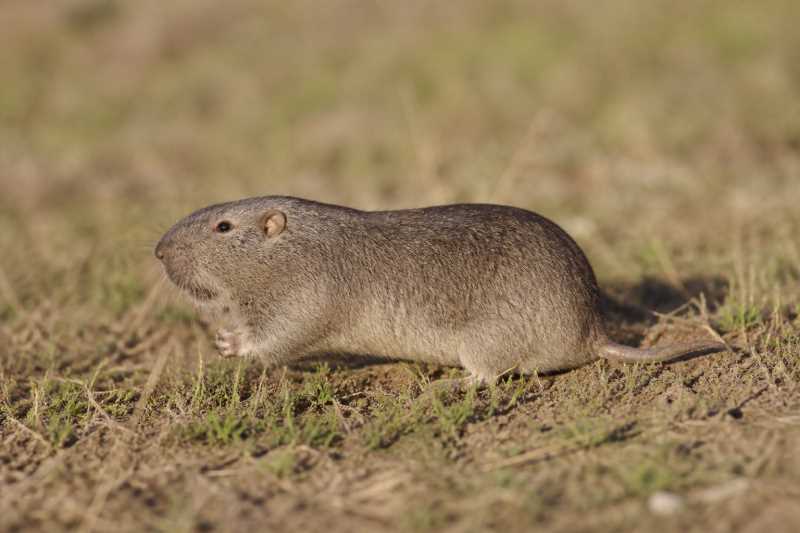
Underwood’s Pocket Gopher is a medium-sized rodent, typically measuring 20 to 30 centimeters in length, including its short tail. The species displays sexual dimorphism, with males generally larger than females. The body is robust, with powerful forelimbs and long claws adapted for digging.
The fur of Heterogeomys underwoodi is a soft, dense coat, usually brown or gray, which provides excellent camouflage against the soil and vegetation of its natural habitat. The eyes and ears are small, reflecting its underground lifestyle, where vision and hearing are less critical than tactile and olfactory senses.
One of the most distinctive features of Underwood’s Pocket Gopher is its prominent incisors, which are external to the lips and used effectively for excavating tunnels and foraging. The cheek pouches are another notable characteristic, enabling the gopher to transport food and nesting materials efficiently.
Range and Habitat
Underwood’s Pocket Gopher is predominantly found in the highland regions of Central America, particularly in Costa Rica and Panama. The species thrives in montane forests and open grasslands, where the soil is loose enough to facilitate burrowing.
The gopher’s habitat is characterized by a temperate climate with distinct wet and dry seasons. These environmental conditions influence its burrowing activity and foraging behavior, as the gopher must adapt to seasonal changes in food availability and soil conditions.
The extensive tunnel systems created by Heterogeomys underwoodi serve multiple functions, including protection from predators, temperature regulation, and access to food resources. These burrows can be quite complex, with multiple entrances and chambers for nesting and storage.
Behavior and Diet
Underwood’s Pocket Gopher is a solitary and territorial animal, spending the majority of its life underground. The species is primarily active during the night, though it can also be seen foraging during the day under certain conditions.
The diet of Heterogeomys underwoodi consists mainly of roots, tubers, and other underground plant parts, which it accesses directly through its burrowing activities. Occasionally, it may venture aboveground to feed on grasses and other vegetation.
The gopher’s foraging behavior is highly adapted to its subterranean lifestyle. It uses its keen sense of smell to locate food and its sharp incisors to clip and consume plant material. In addition to feeding, the gopher spends a significant amount of time maintaining its burrow system, which involves digging, cleaning, and reinforcing tunnels.
Identification Tips
Field recognition of Underwood’s Pocket Gopher requires attention to specific cues, as the species is not often seen above ground. The following tips can aid in identification:
- Burrow Entrances: Look for small, rounded mounds of soil, known as gopher mounds, which indicate active burrow systems. These mounds are typically crescent-shaped and are a telltale sign of gopher activity.
- Cheek Pouches: If observed directly, note the prominent cheek pouches characteristic of pocket gophers, which are often visible when the gopher is carrying food.
- Incisor Marks: Examine plant roots and tubers for incisor marks, which can indicate feeding activity by gophers.
- Sound: Listen for rustling or digging sounds emanating from the ground, as these can indicate the presence of an active burrower.
Conservation Status
Underwood’s Pocket Gopher is currently classified as Near Threatened on the IUCN Red List. The primary threats to the species include habitat destruction due to agricultural expansion and deforestation, as well as potential impacts from climate change.
Conservation efforts for Heterogeomys underwoodi focus on habitat protection and restoration. Preserving the montane forests and grasslands where this species lives is crucial for its survival. Additionally, research initiatives aimed at understanding the species’ ecology and population dynamics are necessary to inform effective conservation strategies.
Efforts to mitigate human-wildlife conflict, particularly in agricultural areas, are also important, as gophers are sometimes viewed as pests by farmers due to their burrowing activities.
Frequently Asked Questions
What is the habitat of Underwood’s Pocket Gopher?
Underwood’s Pocket Gopher inhabits montane forests and grasslands in Central America, particularly in Costa Rica and Panama. It prefers loose, well-drained soils suitable for burrowing.
How does Underwood’s Pocket Gopher contribute to its ecosystem?
The gopher plays a crucial role in soil aeration and nutrient cycling through its burrowing activities, which enhance soil fertility and plant growth.
Are Underwood’s Pocket Gophers endangered?
Currently, Underwood’s Pocket Gopher is classified as Near Threatened. The species faces threats from habitat destruction and requires conservation interventions to ensure its survival.
What do Underwood’s Pocket Gophers eat?
Their diet primarily consists of roots, tubers, and underground plant parts. They may also consume grasses and other vegetation when available.
How can I identify a gopher burrow?
Look for crescent-shaped mounds of soil on the surface, which indicate the presence of an active gopher burrow system.
Related posts