Introduction
The Lesser Ground Cuckoo, known scientifically as Morococcyx erythropygus, is a fascinating bird species that captivates ornithologists and bird enthusiasts alike. Its unique characteristics and behaviors make it a subject of interest within avian studies. This article delves into the ecological significance, habitat, behavior, and conservation status of this intriguing species, offering a comprehensive overview of its role in the ecosystem.
Taxonomy and Description
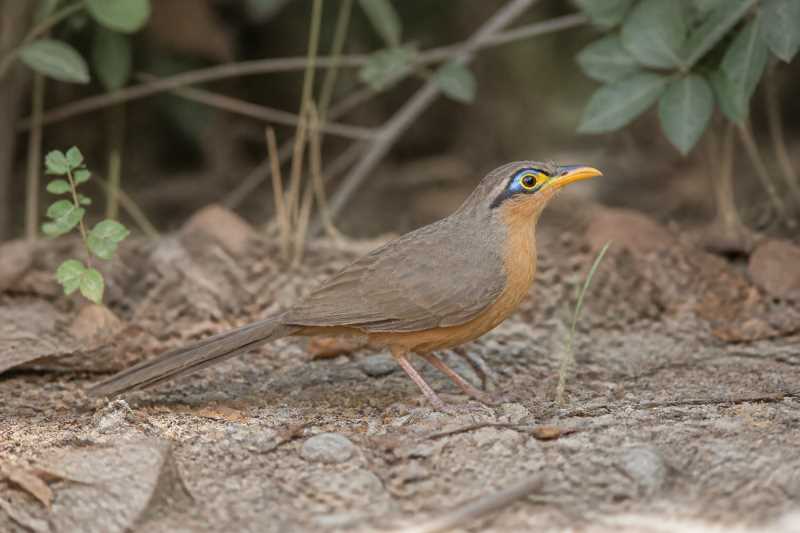
The Lesser Ground Cuckoo belongs to the Cuculidae family, which encompasses several species of cuckoos. This species is particularly noted for its distinctive appearance and behaviors. Adults have a striking plumage characterized by a rufous tail and wings, with a contrasting grey-brown body. The bird’s underparts are lighter, often with a subtle barring pattern. One of the most distinctive features of the Lesser Ground Cuckoo is its vibrant, bare skin around the eyes, which is a vivid blue, setting it apart from other ground-dwelling birds.
Distribution and Habitat
Morococcyx erythropygus is primarily found in Central America, with its range extending from southern Mexico through Guatemala, Honduras, El Salvador, Nicaragua, and into Costa Rica. The species prefers dry and semi-arid environments, thriving in open woodlands, scrublands, and savannas. Its ability to adapt to various types of dry habitats makes it a resilient species, although it is not typically found in dense forests or overly humid areas.
Behavior and Ecology
The Lesser Ground Cuckoo is primarily terrestrial, spending much of its time on the ground foraging for food. Its diet consists mainly of insects and small invertebrates, which it skillfully hunts with a combination of stealth and speed. This bird uses its strong legs to move swiftly through underbrush and leaf litter, often utilizing its keen eyesight to spot prey.
One of the most intriguing aspects of the Lesser Ground Cuckoo’s behavior is its vocalization. The species is known for its distinctive calls, which are used for communication between mates and as a territorial display. The vocal repertoire of the Lesser Ground Cuckoo is complex, with a variety of sounds that can be used to convey different messages.
Reproduction
Breeding habits of the Lesser Ground Cuckoo are not extensively documented, but it is known that they build nests on the ground or in low bushes. The nests are typically constructed from twigs and leaves, providing a camouflaged spot to lay their eggs. Both parents are involved in the incubation and rearing of the young, showcasing a shared responsibility that is common among many cuckoo species.
Conservation Status
Currently, the Lesser Ground Cuckoo is not considered to be threatened, and it is classified as Least Concern by the International Union for Conservation of Nature (IUCN). However, like many bird species, it faces potential threats from habitat destruction and environmental changes. The conversion of land for agriculture and urban development poses a risk to its natural habitat, although its adaptability has so far prevented significant population declines.
Ecological Role
The Lesser Ground Cuckoo plays an essential role in its ecosystem, primarily through its diet, which helps control insect populations. By preying on insects, it aids in maintaining a balance within the food web, serving as both predator and prey. Additionally, its role as a seed disperser contributes to the health and diversity of the plant communities within its habitat.
Conclusion
The Lesser Ground Cuckoo is a remarkable bird species whose ecological significance and unique behaviors continue to intrigue researchers and bird watchers. Understanding its role within the ecosystem and the challenges it faces is crucial in ensuring its continued survival. Conservation efforts should focus on preserving its natural habitat and mitigating the impacts of environmental changes. By doing so, we can ensure that future generations will continue to enjoy the presence of this extraordinary bird in the wild.
Related posts