Introduction
The Big Pocket Gopher (Heterogeomys lanius), a fascinating and elusive mammal, is a crucial component of the ecosystem it inhabits. Known for its burrowing habits and significant ecological roles, this species has intrigued scientists and nature enthusiasts alike. This article delves into the intricate details of the Big Pocket Gopher, providing insights into its physical characteristics, habitat preferences, behavioral patterns, and conservation status. By understanding these aspects, we can appreciate the importance of this species and the need for its preservation.
Physical Description
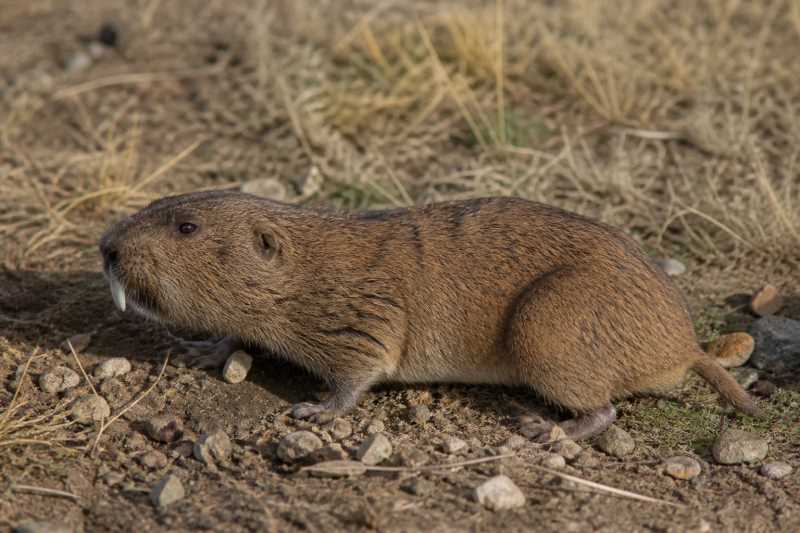
The Big Pocket Gopher is a robust, medium-sized rodent characterized by its unique anatomical features tailored for a subterranean lifestyle. Adults typically measure between 230 to 300 mm in length, with a tail spanning around 50 to 75 mm. Males are generally larger than females, a common trait among gopher species.
Their fur is dense and soft, typically showcasing a rich brown hue that provides excellent camouflage in their earthy environments. The fur color can range from light tan to dark brown, depending on the soil type of their habitat. Their small eyes and ears are adaptations to a life spent mostly underground, minimizing the risk of debris while burrowing.
A signature feature of the Big Pocket Gopher is its large, fur-lined cheek pouches, or "pockets," which extend from the mouth to the shoulders. These pockets are used for transporting food and nesting material, allowing the gopher to efficiently gather resources without frequent trips to the surface.
Their powerful forelimbs and long, sharp claws are perfectly suited for digging. The gopher’s incisor teeth are constantly growing, helping them gnaw through tough roots and soil, essential for both feeding and creating extensive burrow systems.
Range and Habitat
Heterogeomys lanius is endemic to specific regions in Central America, predominantly found in the moist deciduous forests and agricultural lands of southern Mexico. Their range extends across the states of Veracruz, Oaxaca, and Puebla. These areas provide the loose, fertile soils necessary for constructing their elaborate burrow systems.
Big Pocket Gophers prefer habitats that offer abundant vegetation and soft soil, which facilitate burrowing and foraging. They are commonly found in farmlands, as the tilled soil and crop availability align with their dietary and shelter needs. However, their presence in agricultural areas often brings them into conflict with farmers, as they can cause significant crop damage.
Behavior and Diet
The Big Pocket Gopher is a solitary and territorial creature, rarely seen above ground except during foraging or when seeking new territories. Their burrow systems are complex, consisting of numerous tunnels and chambers used for nesting, food storage, and waste disposal.
Gophers are primarily herbivorous, feeding on a wide variety of plant materials. Their diet includes roots, tubers, stems, and leaves, with a particular preference for crops such as corn and beans. They use their cheek pouches to transport food to storage chambers within their burrows.
Despite their reclusive nature, Big Pocket Gophers play a crucial role in soil aeration and nutrient cycling. Their digging activities help to aerate the soil, allowing water and nutrients to penetrate deeper layers, which benefits plant growth and diversity.
Identification Tips (Field Recognition Cues)
Identifying the Big Pocket Gopher in the field can be challenging due to their underground lifestyle. However, several cues can aid in their recognition:
- Burrow Entrances: Look for crescent-shaped mounds of soil, indicating the entrance to a gopher’s burrow. These mounds are typically larger than those of other rodents.
- Cheek Pouches: If you manage to observe a gopher above ground, note the prominent cheek pouches, a distinctive feature of this species.
- Fur Color: Observe the color of any gopher seen. The fur of the Big Pocket Gopher is usually a shade of brown that blends well with the soil.
- Size and Build: The Big Pocket Gopher is robust with a stocky build, larger than many other rodents in its habitat.
Conservation Status (With Threats and Protections)
The conservation status of the Big Pocket Gopher is currently classified as Near Threatened according to the IUCN Red List. The primary threats to their population include habitat destruction due to agricultural expansion and urban development, which lead to loss of habitat and fragmentation of their populations.
Additionally, they are often considered pests by farmers due to their burrowing habits and crop damage, leading to targeted eradication efforts. These factors contribute to population decline and increased vulnerability.
Conservation efforts are essential to ensure the survival of Heterogeomys lanius. Strategies include habitat preservation and restoration, alongside educating farmers about the ecological benefits of gophers to reduce conflict. Protected areas within their natural range can help safeguard their habitats from further destruction.
Frequently Asked Questions
What is the role of Big Pocket Gophers in the ecosystem?
Big Pocket Gophers play a vital role in soil aeration and nutrient cycling. Their burrowing activity helps improve soil structure, promoting plant growth and maintaining ecosystem health.
How can farmers coexist with Big Pocket Gophers?
Farmers can use non-lethal methods to manage gopher populations, such as habitat modification, exclusion techniques, and promoting natural predators to control gopher numbers without harming them.
Are Big Pocket Gophers active year-round?
Yes, Big Pocket Gophers are active throughout the year. They do not hibernate and continue their burrowing and foraging activities during all seasons, adapting their behavior to environmental conditions.
How do Big Pocket Gophers communicate?
Big Pocket Gophers communicate primarily through tactile and chemical signals. They use scent markings to establish territory and can produce low-frequency sounds for communication within their burrow systems.
What adaptations help Big Pocket Gophers in their burrowing lifestyle?
Big Pocket Gophers have strong forelimbs with sharp claws for digging, continuously growing incisors for gnawing, and small eyes and ears to prevent debris from entering while burrowing.
Related posts